The Strait of Hormuz is again the focal point of global tension. As threats rise in the Middle East, attention shifts to what lies below the surface: Iran is quietly advancing a submarine-based strategy that could disrupt one of the world’s most vital oil routes.
This narrow strait, the gateway between the Persian Gulf and the Gulf of Oman, urgently carries nearly a fifth of global energy supplies. Any disruption here isn’t just likely; it’s primed to spark a global economic shockwave instantly.
While surface military activity is visible, the real concern is the difficulty of detecting threats beneath the water’s surface.
Iran is increasingly relying on small, stealthy submarines instead of large naval fleets. These compact vessels are designed for shallow waters, making them highly effective in the Gulf’s confined geography.
READ ALSO: Australia’s Four Seasons Barrier Reef: The World’s First Floating Hotel
Small Submarines, Big Impact on Hormuz
At the centre of Iran’s naval approach is its fleet of Ghadir-class midget submarines. These vessels are small in size but strategically significant. Measuring around 29 metres and weighing close to 120 tonnes, they are built specifically for shallow-water operations.
Their size gives them a decisive advantage, allowing them to operate stealthily at depths as low as 30 metres, the threshold at which key shipping lanes are dangerously exposed. These submarines move silently, ready at a moment’s notice to vanish where larger submarines cannot go.
These smaller vessels are hard to track in crowded, noisy waters, as ship traffic and natural sounds mask their presence. Military analysts note these subs focus on disruption, primarily through covert mine-laying, though torpedoes remain an option.
Even a handful of mines can unleash chaos in an instant. Major shipping routes can be blocked, tankers forced to reroute or stop amid a crisis, and insurance costs could soar overnight. Global oil prices could spike within hours, not days.
WATCH ALSO: Chinese humanoid robot plays basketball with almost human-like accuracy
Iran does not need a large fleet to cause immediate disruption. Just a few carefully timed submarine operations could trigger massive economic fallout without warning.
Beyond Ghadir: Expanding Underwater Capabilities
Iran’s submarine fleet is not limited to the Ghadir-class. It also operates Fateh-class submarines, which are larger and equipped with more advanced sensors. These submarines can operate in deeper waters while maintaining a relatively low profile.
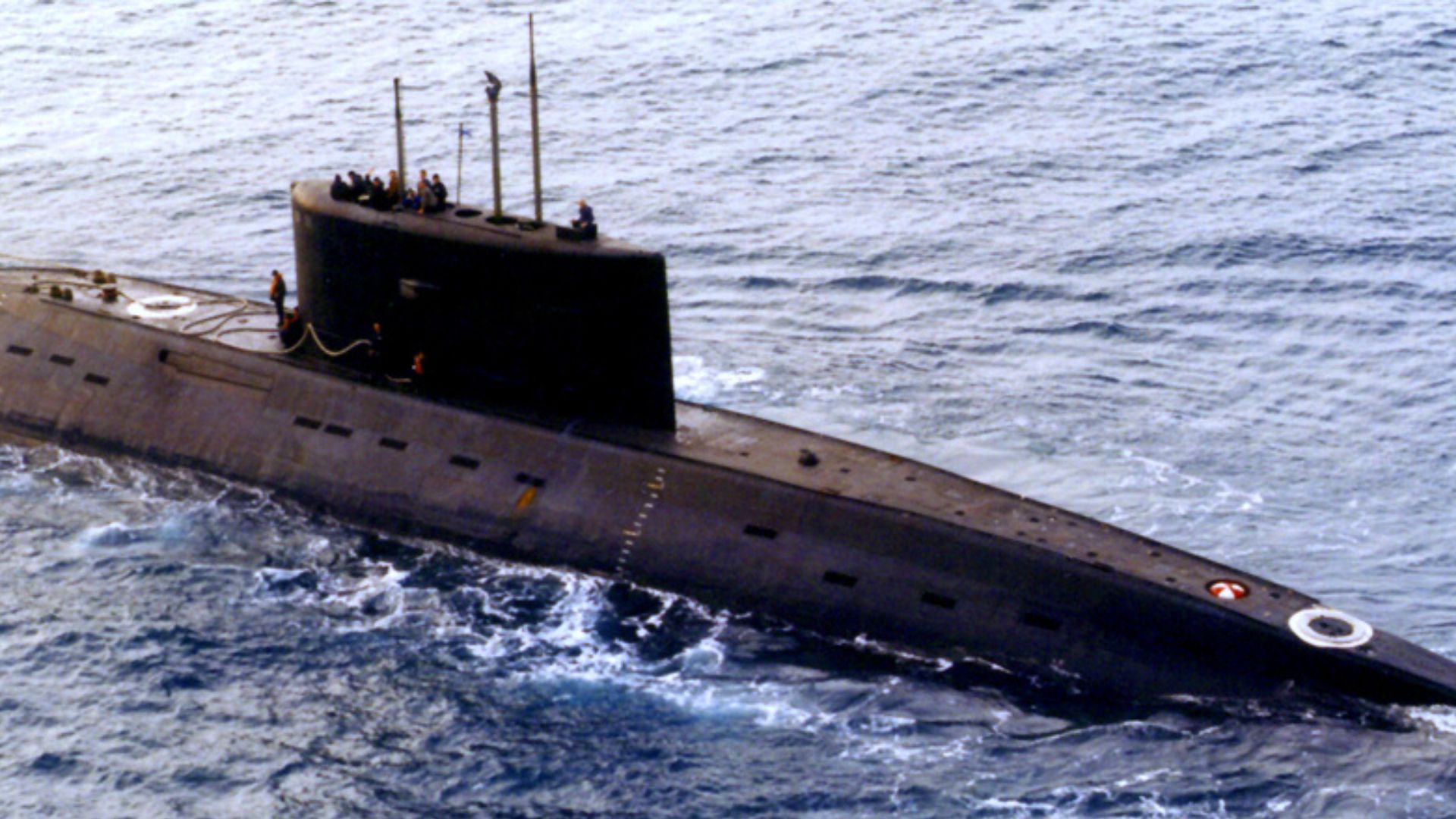
In addition, Iran possesses Russian-built Kilo-class submarines. These are heavier and more powerful, but less suited to the shallow conditions of the Strait of Hormuz. Still, they add depth to Iran’s overall naval capability.
Iran has also developed specialised underwater systems for covert missions. These include swimmer delivery vehicles designed to transport naval commandos. Such systems allow forces to conduct stealth operations, including mine placement, near strategic locations.
Iran has spent years studying the Gulf’s geography. Its naval personnel are trained specifically to operate in these conditions. This familiarity gives them a tactical advantage in executing underwater missions.
Naval Mines: The Quiet Game-Changer
While the submarines deliver them, naval mines represent an urgent and escalating threat. These weapons are deployed quickly, are devastatingly effective, and are exceptionally difficult to eliminate once set in motion.
Iran operates a wide variety of mines. Some explode on contact. Other magnetic signals from a ship’s hull trigger. Acoustic mines respond to engine noise, while pressure mines detect movement in the water.
READ ALSO: Tesla Supplier Eve Energy Unveils 60Ah Longquan Solid-state Batteries for Next-gen EVs
These mines can be quietly deployed and may remain undetected for long periods, complicating shipping safety. Mine-clearing is slow and dangerous, requiring specialized resources, often restricting shipping during operations.
Experts warn that even a limited mine-laying campaign could paralyze key parts of the Strait for weeks. This would immediately choke global energy supply and trade flow, with potentially irreparable effects.
A Strategy Built on Asymmetry
Iran’s approach reflects a broader shift towards asymmetric warfare. Instead of matching larger powers ship-for-ship, it focuses on cost-effective tools that are difficult to counter.
Submarines, mines, fast attack boats, and missile systems all form part of this layered strategy. Together, they create multiple points of pressure for any opposing force.
While the US and its allies continue to deploy aircraft and naval assets in the region, much of their focus remains on visible threats. However, underwater operations present a different challenge.
Submarines weaving through shallow waters evade detection with alarming ease. Mines are even more urgent, remaining hidden until it is too late. This uncertainty severely slows down and hampers response efforts.
WATCH ALSO: International Space Station crew wishes New Year 2026
However, the real might of this strategy lies not only in causing damage, but in fostering constant disruption and unpredictable crises at any moment.
The Strait of Hormuz has long been a geopolitical flashpoint. But the growing emphasis on underwater warfare is changing the nature of the threat.
Iran’s submarine fleet, though small, is designed for maximum impact. Its ability to operate silently and deploy mines makes it a powerful tool in any escalation scenario.
As tensions spike, the threat goes far beyond open conflict. Suddenly, invisible actions below the water’s surface could instantly jolt global markets. The world watches the surface, yet the urgent, unfolding story is deep below, and its impact may arrive without warning.