GE Aerospace and Palantir Technologies Inc. have expanded their multi‑year partnership to bring advanced AI to US military aviation.
The goal is to keep aircraft mission‑ready by predicting engine failures before they happen and unlocking gridlocked supply chains. This move addresses the growing need for faster, smarter digital systems behind the hardware.
The two companies are deploying agentic AI‑powered solutions across GE Aerospace’s production system and sustainment operations. The expanded partnership will help the U.S. Air Force maximize aircraft availability while streamlining engine production and maintenance.
READ ALSO: Future Air Travel? China Flies 10-Passenger ‘Matrix’ Electric Air Taxi Prototype
GE Aerospace, a leader in jet engines, teamed up with Palantir Technologies Inc. , known for its data‑integration platforms. The effort is led by Amy Gowder, president and CEO of Defense and Systems at GE Aerospace, and Mike Gallagher, head of defense at Palantir. Their teams first piloted the approach in early 2024.
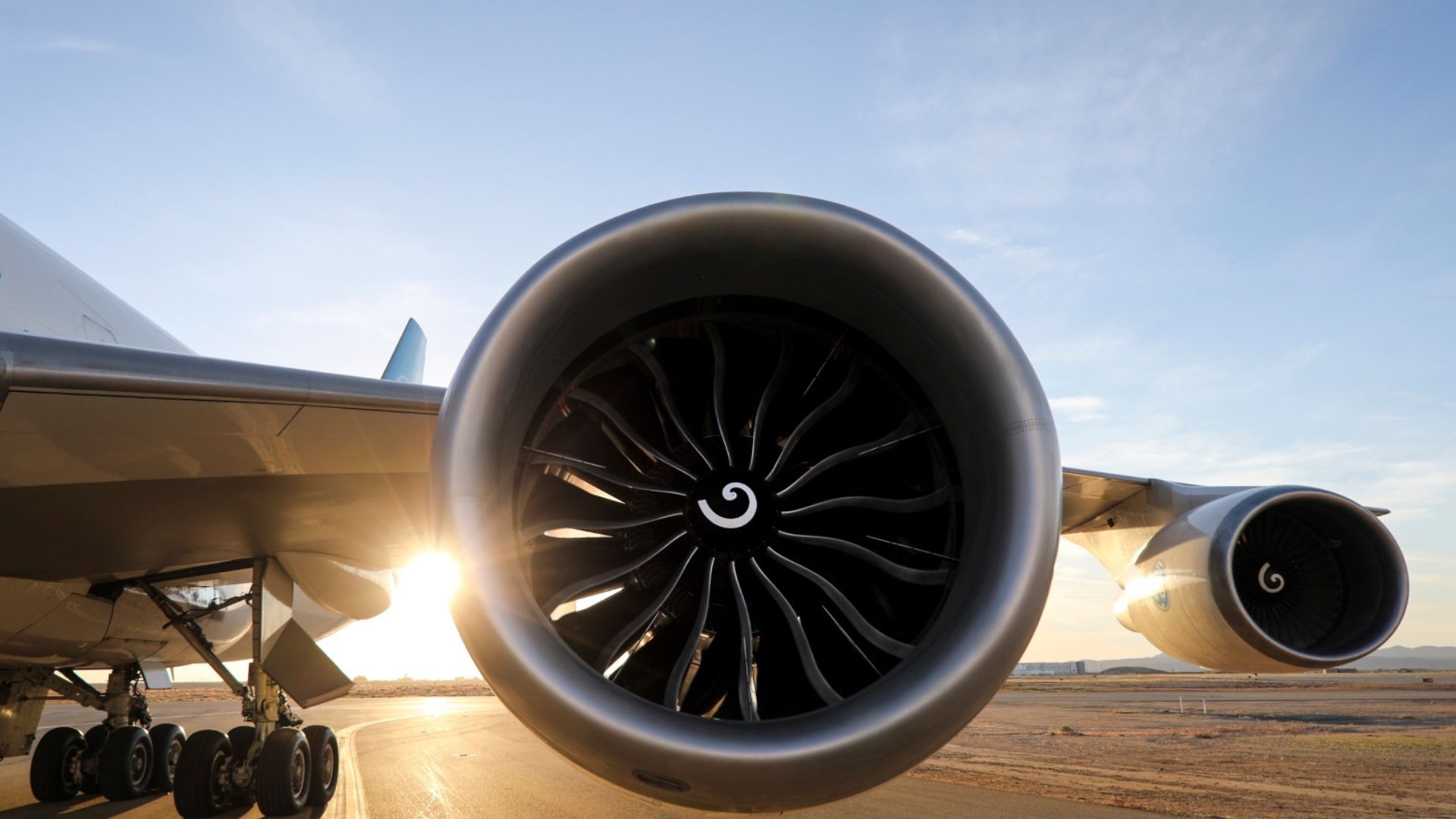
A GE Aerospace engine takes off somewhere in the world every two seconds. With growing demands on warfighters, traditional supply chains and maintenance systems often struggle to keep fleets fully ready. The new AI tools aim to predict parts shortages, identify constraints earlier, and create a closed loop from field signals to supplier actions.
WATCH ALSO: Cartoon-like humanoid robot learns everyday kitchen chores from humans
GE Aerospace now uses Palantir’s Artificial Intelligence Platform (AIP) across key supply chain functions. AI agents handle repetitive, manual tasks like fulfillment and parts allocation, while human workers focus on higher‑value problem‑solving. The system pulls data from across the enterprise to orchestrate maintenance, repair, and customer service in one unified view.
The partnership began with a focused mission: keeping the Air Force’s T‑38 trainer jets flying by improving J85 engine readiness. That pilot gave the Air Force and GE Aerospace better visibility into parts demand and shortages, driving measurable gains in efficiency. Now the same approach is expanding to support new engine production and broader sustainment operations.
READ ALSO: World’s First Ammonia-Powered Offshore Vessel Set to Launch This Autumn
The current deployment focuses on select supply chain functions and specific engine fleets. The companies describe it as a multi‑year effort, with further work needed to scale the system across all military aviation programs.
By pairing deep engineering expertise with AI‑enabled software, the collaboration aims to keep more aircraft available for training and missions. “Meeting today’s readiness demands requires both proven propulsion and smarter use of data,” said Gowder. The work offers a blueprint for how digital systems can transform military readiness across the entire defense industry.