Deep beneath the busy streets of London lies one of the world’s most secure treasures. Hidden below the historic Bank of England building on Threadneedle Street is a large network of vaults holding hundreds of thousands of gold bars.
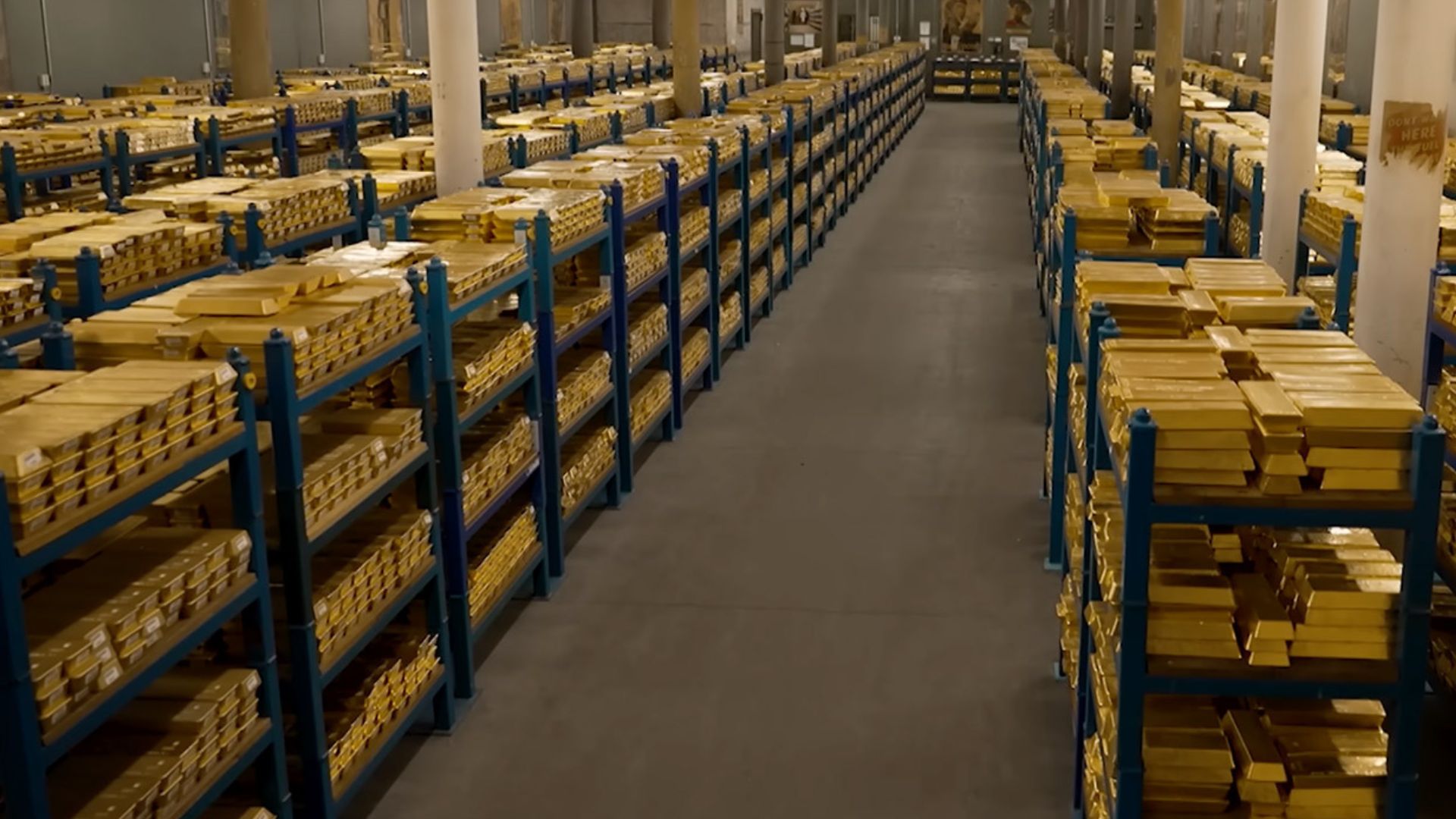
Very few people are allowed inside this underground complex. Even journalists rarely get the chance to see it. The vaults contain around 400,000 gold bars, each weighing about 12 kilograms. Below the soft lights of the chambers, the bars shine brightly as they are stacked in long rows across massive storage rooms.
The Bank of England is the second-largest gold custodian in the world, behind the Federal Reserve Bank of New York.
Getting inside the vault is not simple. Visitors must first hand over their phones and any electronic devices that could record or track their movements. Cameras are turned off during the visit. Security teams lead visitors through a confusing series of gates, corridors, and steel doors.
The layout is designed like a maze.
Officials say the complex system of passageways makes it difficult for anyone to trace the route to the vaults. Only authorized personnel know the exact paths and security procedures.
READ ALSO: https://modernmechanics24.com/post/apollo-moon-rocks-lunar-mystery-solved/
Once inside the underground chambers, the scale of the storage area becomes clear. The bank maintains several large vault rooms filled with thousands of gold bars. The bars are stored on strong pallets made of steel and wood.
Forklifts move the pallets through narrow paths between the stacks. Each pallet usually carries around 80 bars, which equals about one tonne of gold. Workers carefully organize the bars in accordance with strict international standards.
Every bar weighs 400 troy ounces and carries a unique serial number or barcode. These identifiers allow banks and financial institutions to transfer ownership digitally without physically moving the gold. Most gold trading in London happens electronically for speed and safety.
WATCH ALSO: https://modernmechanics24.com/post/airless-steel-wheels-mining-truck-revolution/
Not all of the gold belongs to the United Kingdom. The bank stores gold for about 60 central banks and several commercial institutions worldwide. London is considered a major global hub for physical gold trading, so many countries prefer to store their reserves there for quick access during financial operations.
The UK government itself holds only part of the gold stored in the vaults. On behalf of the Treasury, the bank manages about 300 tonnes of Britain’s reserves, which represents roughly 6 percent of the gold kept there.
Interestingly, the Bank of England owns only two gold bars. These are displayed in the bank’s public museum.
Protecting this massive treasure requires several layers of advanced security technology. The vaults are built with reinforced concrete walls, heavy steel doors, and multiple checkpoints.
Access requires approval from several departments inside the bank, including operations teams, auditors, and security officials.
READ ALSO: https://modernmechanics24.com/post/lab-made-ear-cartilage-offers-hope-in/
Surveillance is constant. High-definition cameras monitor every area, and security staff watch the feeds from control rooms. Biometric systems, such as fingerprint and iris scans, confirm identities before entry.
Time-lock systems add another level of safety by restricting when vault doors can open.
Together, these measures create a highly controlled and secure environment beneath the heart of London. Hidden from the crowds above, the Bank of England’s vaults quietly protect one of the world’s largest collections of gold.