The US has moved a new drone strike unit into operational readiness in the Middle East.
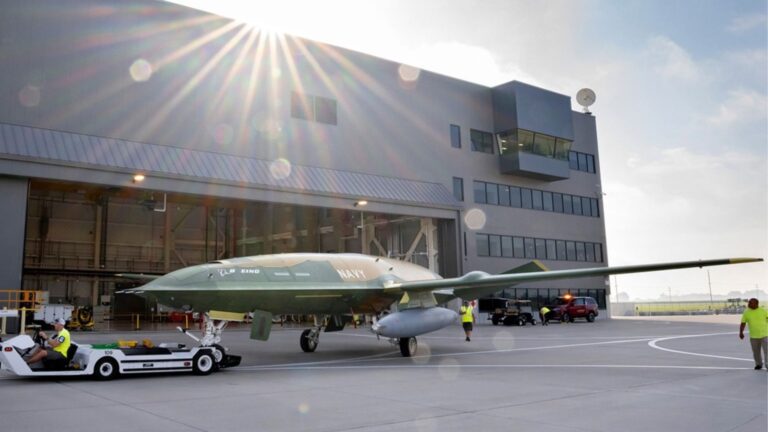
The unit is known as Task Force Scorpion Strike. This is now prepared to deploy the Low-Cost Unmanned Combat Attack System (LUCAS) if ordered.
Instead of relying solely on expensive cruise missiles and high-end aircraft, the Pentagon is now investing in low-cost, expendable drones designed for large-scale use.
US Central Command confirmed that Task Force Scorpion Strike has reached operational status. This means the unit can launch LUCAS drones from various locations across the region.
Military officials describe this move as adding a new layer of magazine depth. In simple terms, it increases the number of available strike weapons without relying on costly systems.
Each LUCAS drone costs around $35,000. That is a fraction of the price of traditional cruise missiles, which can cost millions. The idea is not to protect every drone. The idea is to launch many of them at once.
The drones are designed to overwhelm air defenses. Even if several are shot down, some may get through.
The Pentagon publicly announced Task Force Scorpion in early December 2025. Less than three months later, the unit is described as ready for combat operations.
READ ALSO: https://modernmechanics24.com/post/lab-made-ear-cartilage-offers-hope-in/
This rapid timeline shows a wartime mindset. The US defense system regularly takes years to move from concept to fielding. In this case, the process moved much faster.
Officials suggest the priority comes from mounting tensions with Iran and ongoing maritime threats in the Red Sea and Gulf region.
What Is LUCAS?
LUCAS stands for Low-cost Unmanned Combat Attack System. It is produced by the Arizona-based company SpektreWorks.
The drone is a one-way attack system. It is sometimes called a “kamikaze drone.” It carries an explosive payload and destroys itself on impact.
WATCH: https://modernmechanics24.com/post/cartoon-robot-learns-kitchen-chores-2/
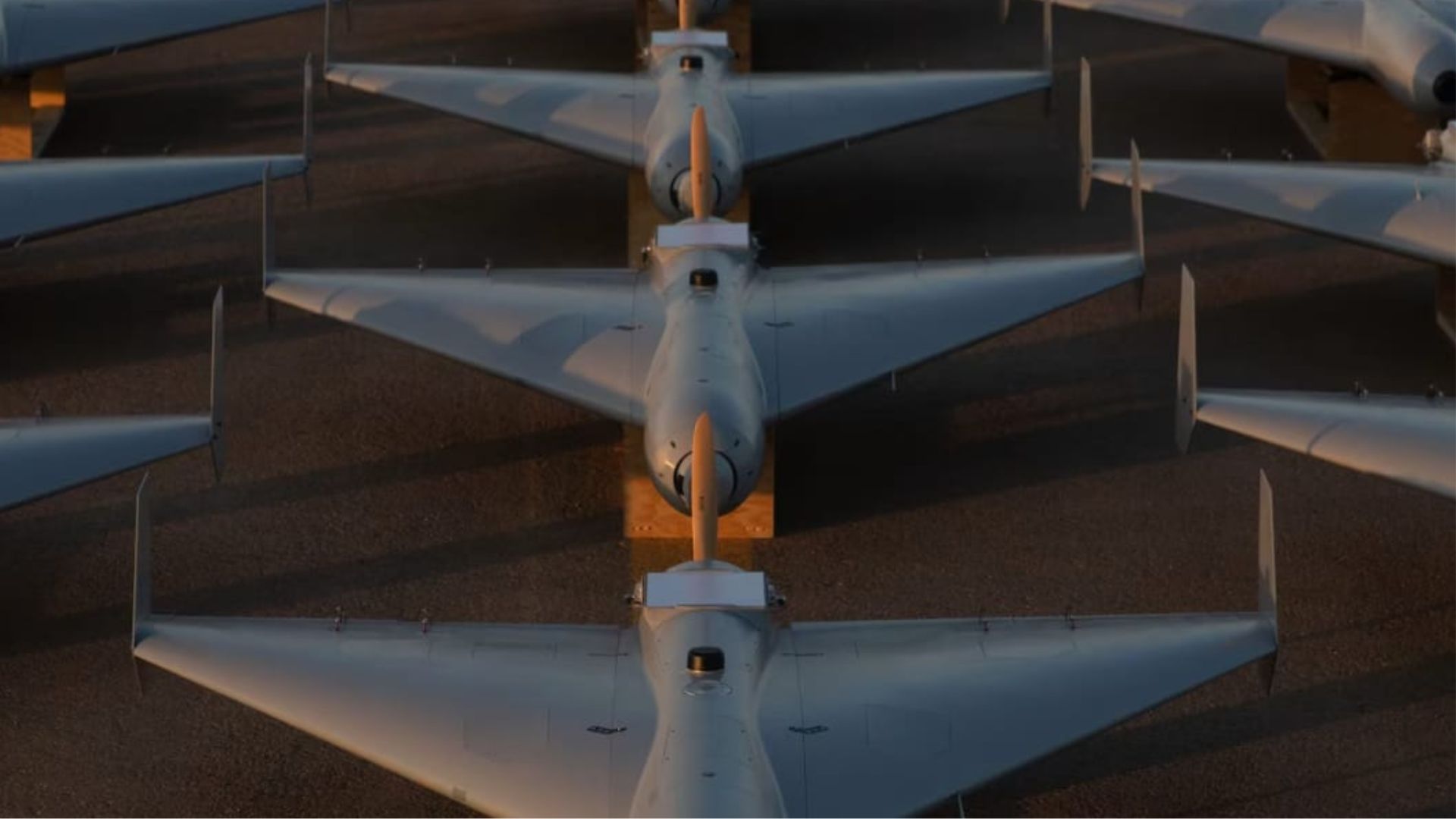
LUCAS is a reverse-engineered version of Iran’s Shahed-136 drone design. The Shahed series has been used extensively in regional conflicts.
Shahed-136 is known for its simple delta-wing shape, rear-mounted propeller, and pre-programmed navigation system. The design favors affordability and mass production. LUCAS follows a similar philosophy.
Specifications
Whereas exact operational details remain classified, publicly available information from similar platforms gives a general idea of its capabilities.
The system is believed to have a range of more than 400 nautical miles. It can stay airborne for up to six hours. Its cruise speed is estimated at around 70 to 75 knots. At high-speed runs, it can reach over 100 knots.
The system can also carry a payload of roughly 40 pounds. These specifications indicate a system designed for extended missions at moderate speed, with a light yet effective payload capacity.
A 40-pound payload does not destroy hardened underground bunkers. Instead, it targets softer military infrastructure.
Flexible Launch Options
One of LUCAS’s major advantages is its launch flexibility. The drone does not need a traditional runway. It can be launched using catapult systems. It can also take off with the help of rocket-assisted platforms.
In addition, it can be deployed from mobile ground vehicles. Ship decks can also be used for launch. This flexibility allows it to operate from different locations and in different conditions.
READ ALSO: https://modernmechanics24.com/post/swarming-microrobots-spin-shape-world/
This flexibility reduces dependence on runways. It also allows forces to disperse launch sites. That makes it harder for adversaries to identify and target drone bases.
In a recent demonstration, a LUCAS drone was launched from an Independence-class littoral combat ship in the Arabian Gulf. This proved that ship-based deployments are possible.
Sea-based launches are important in the Central Command region. They allow drones to move toward targets from unpredictable directions. This complicates Iranian defense planning near the Strait of Hormuz and the Gulf of Oman.
Mission Focus: Saturation, Not Precision
LUCAS drones are not designed to destroy deeply buried nuclear facilities. Their role is different. They are built to target radar systems and reduce enemy surveillance. They can strike mobile missile launchers before they are fired. They are also used to hit air defense components.
The drones can attack logistics depots and interrupt supply chains. They are capable of damaging naval boat concentrations near coastal areas. In addition, they can strike ammunition storage sites. Their main purpose is to weaken defenses and support larger military operations.
The strategy relies on repetition and simultaneity. Instead of one powerful strike, commanders may launch dozens of drones at once.
WATCH: https://modernmechanics24.com/post/us-hits-isis-terrorists-nigeria/
The goal is to saturate defenses. Iranian air defense systems would have to fire interceptors at each incoming drone. This creates an unfavorable cost trade.
If an interceptor missile costs hundreds of thousands of dollars and the drone costs $35,000, the defender pays more per attack.
Lessons from Ukraine
The concept of mass drone warfare gained attention during the war in Ukraine.
There, relatively cheap drones forced defenders into costly air-defense battles. Success was measured by how many drones penetrated defenses, not by whether each one survived.
The Pentagon appears to be applying those lessons in the Middle East.
Officials now treat expendable drones as an adaptable combat arm. They are no longer experimental tools. They are becoming part of mainstream military doctrine.
Operational Consequences for Iran
If tensions escalate, LUCAS drones could play a role in influencing the battlefield before higher-end weapons are used.
With a range of more than 400 nautical miles, these drones can cover long distances. If launched from Gulf waters or nearby regional bases, they can reach deep into southern Iran. They are capable of targeting coastal missile batteries. They can also strike naval infrastructure. Logistics corridors that support military movement can also be hit. In addition, air defense networks in the region could be targeted. This range gives them a powerful operational reach from multiple launch points.
READ ALSO: https://modernmechanics24.com/post/world-first-quantum-inspired-robot/
The drones could probe radar coverage and force air defense units to activate. That exposure would help U.S. forces identify targets for follow-on strikes.
By drawing out surface-to-air missile fire, LUCAS could thin out defenses before manned aircraft or expensive standoff weapons enter contested airspace.
Institutional Shift in US Military Thinking
The creation of Task Force Scorpion Strike marks more than a new weapon system. It signals a deeper shift in US military thinking.
For decades, the US relied on high-end platforms for most strike missions. That model is expensive and not always sustainable in extended conflicts.
Now, military planners acknowledge that mass is itself a capability.
Fielding hundreds of low-cost drones changes military planning in many ways. Airspace coordination becomes more complex as many systems operate simultaneously. Deconfliction with manned aircraft is essential to avoid accidents. Intelligence support must also increase to track targets and guide operations. At the same time, production capacity must keep up with losses in combat. This means manufacturing must match expected attrition rates. Overall, large-scale drone use requires better coordination, planning, and logistics.
The industrial base must adapt. In attrition warfare, drones are consumables.
READ ALSO: https://modernmechanics24.com/post/nano-qr-tech-future-of-data-storage/
Rapid fielding suggests the Pentagon is trying to shorten acquisition cycles. If Task Force Scorpion proves effective, it could serve as a model for future drone units.
Military analysts say the real test will come during lengthy operations. The ability to replenish lost drones quickly will determine long-term effectiveness.
The deployment of LUCAS drones indicates that the US is preparing for situations in which volume matters as much as precision. In a potential conflict with Iran, swarm tactics and distributed launches could complicate Tehran’s defensive planning.
The move also represents broader regional matters. Maritime threats in the Red Sea and Gulf continue to drive force posture adjustments.
By activating Task Force Scorpion Strike, the US demonstrates that low-cost drones are no longer a niche experiment. They are becoming a core element of current warfare strategy.
LUCAS will not replace cruise missiles or stealth aircraft. Instead, it will complement them. In future conflicts, the battlefield may be controlled not only by the most advanced systems but by the sheer number of drones in the sky.