The U.S. Air Force and General Atomics have successfully demonstrated a mission where an F-22 fighter jet worked alongside an unmanned drone using artificial intelligence. The test showed that a human pilot can command an autonomous aircraft to perform combat tasks during flight.
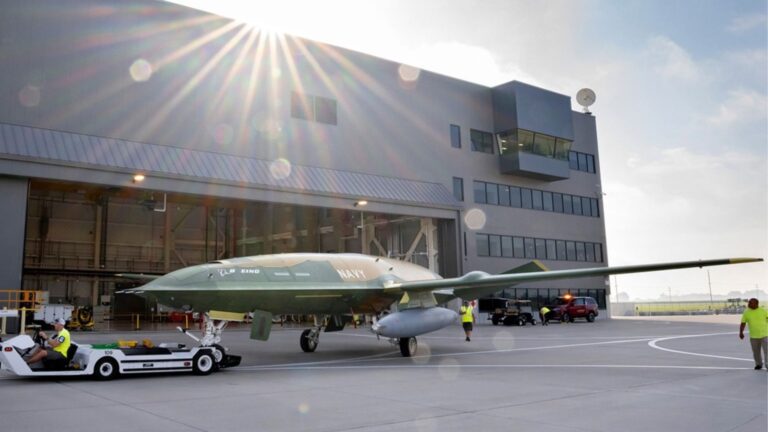
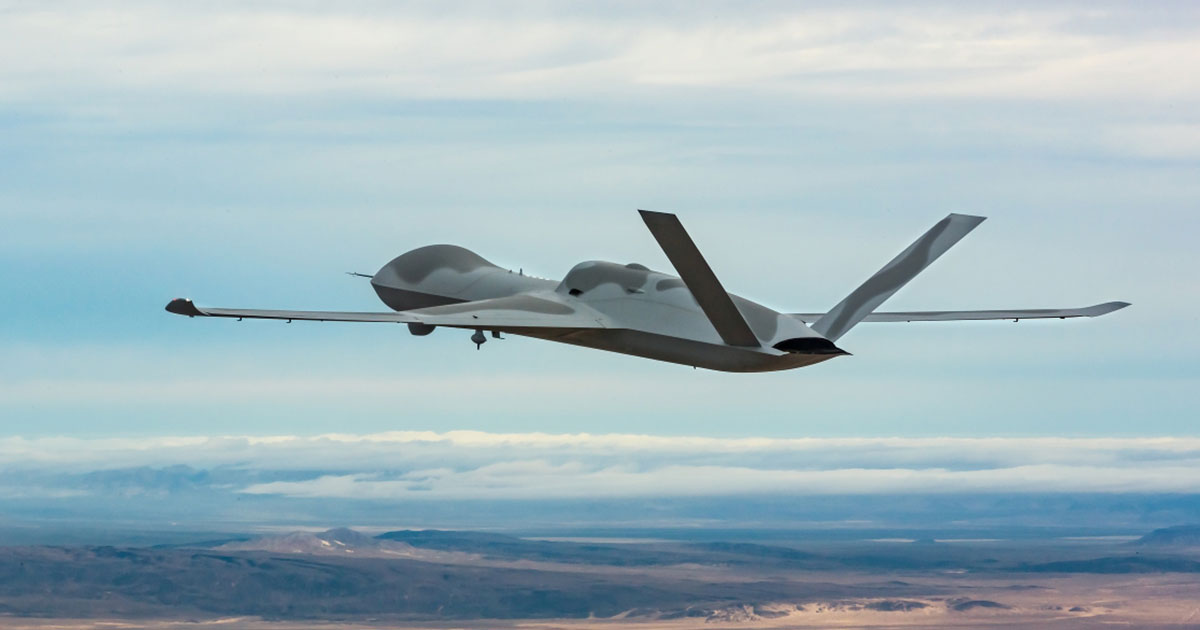
General Atomics Aeronautical Systems, Inc. carried out the demonstration with the U.S. Air Force at Edwards Air Force Base in California. The test used an MQ-20 Avenger drone and an F-22 Raptor fighter jet equipped with government-developed autonomy software. GA-ASI President David R. Alexander said the team appreciated the flawless execution of the mission using advanced autonomous systems.
Future warfare will likely involve teams of manned and unmanned aircraft working together. This approach allows human pilots to stay safer while drones take on more dangerous tasks. The challenge has been getting piloted jets and drones to communicate and coordinate effectively during missions.
READ ALSO: https://modernmechanics24.com/post/womb-transplants-from-deceased-donor/
During the test, the F-22 pilot acted as the command aircraft. The pilot used a special software interface to send commands to the MQ-20 drone through a tactical data link. The drone then executed tactical maneuvers, adjusted its flight path, and performed combat air patrol tasks based on those commands. The MQ-20 also used its onboard sensors to make some independent decisions.
This type of teamwork could transform military aviation. Drones can scout ahead, carry weapons, or draw enemy fire while piloted aircraft direct operations from a safer distance. The approach multiplies the effectiveness of each human pilot by adding several unmanned wingmen to the team.
The demonstration remains a test of technology rather than an operational system. Engineers need to ensure the autonomy software makes safe and reliable decisions in complex combat situations. The military also must determine how much trust to place in autonomous systems during real missions.
WATCH ALSO: https://modernmechanics24.com/post/chinese-company-s-humanoid-robot-dodges-arrow-with-side-flip/
The test points toward a future where manned and unmanned aircraft routinely fly together. The U.S. Air Force is exploring these concepts through its Collaborative Combat Aircraft program. General Atomics has used the MQ-20 as a test platform for more than five years and has developed purpose-built aircraft like the XQ-67A to advance this technology further.