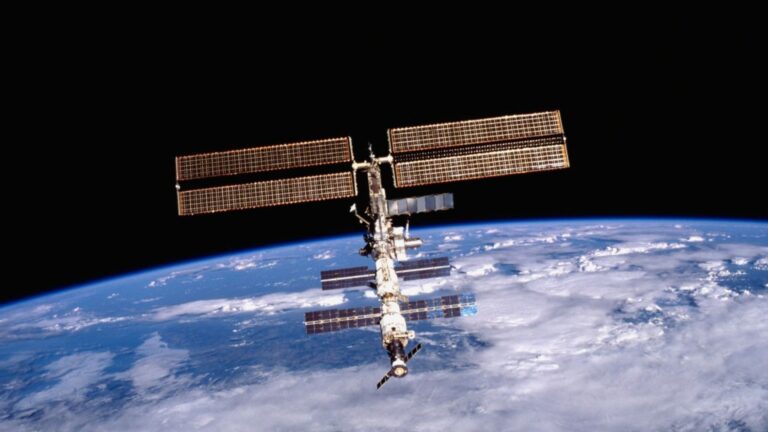
Satellites for Satellites: Pentagon Seeks Spy Satellites to Track Satellites
The US Department of Defense is turning to the commercial space sector for a new generation of surveillance spacecraft capable
The US Department of Defense is turning to the commercial space sector for a new generation of surveillance spacecraft capable

The Chernobyl Exclusion Zone, once synonymous with nuclear catastrophe, has become an unlikely refuge for one of the world’s rarest

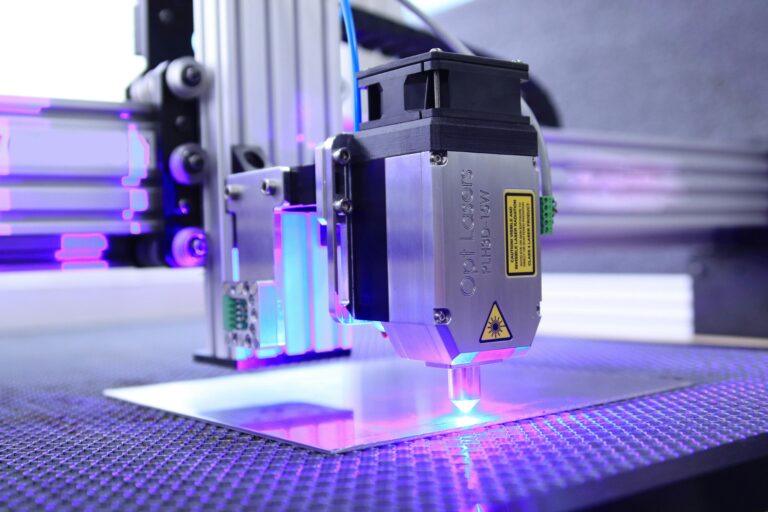
Microsoft researchers have created a glass data storage system that can remain readable for 10,000 years. The method uses laser pulses to create tiny deformations inside borosilicate glass, storing 4.8 terabytes of data on a coaster-sized square. Unlike magnetic storage that degrades in a decade, this immutable glass needs no maintenance and could transform how data centers archive critical information.
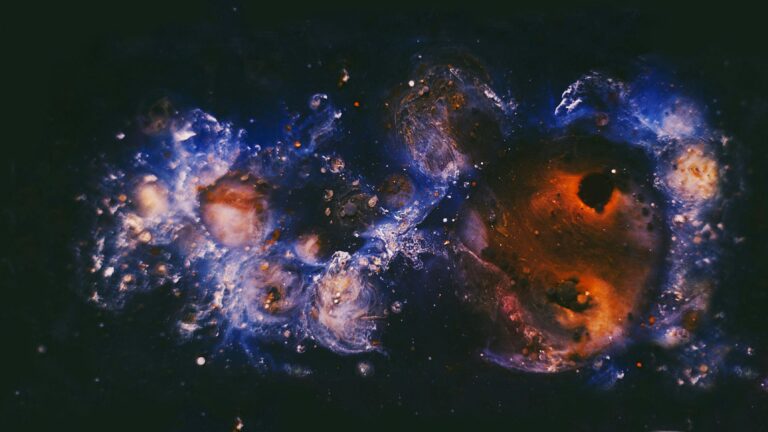
German researchers at TUM, LMU, and Max Planck Institutes have captured a rare supernova that appears five times in the sky due to gravitational lensing. The discovery, nicknamed SN Winny, offers a new way to measure the universe’s expansion rate and could help resolve the long-standing Hubble tension between different measurement methods.
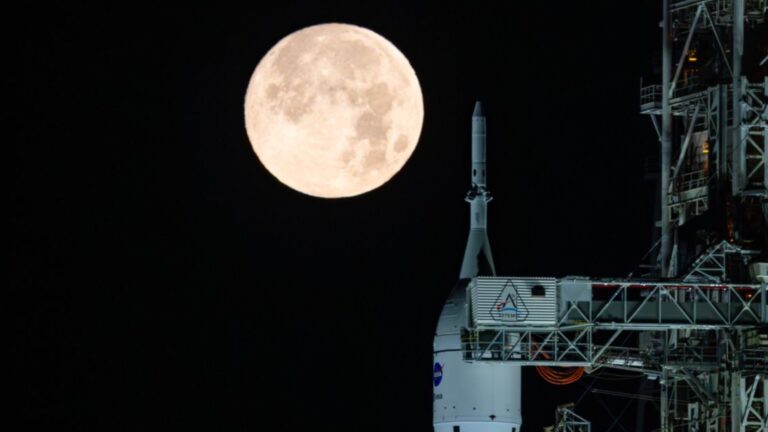
NASA is preparing for a critical milestone in its return-to-the-Moon campaign, targeting February 19 as the next tanking day for
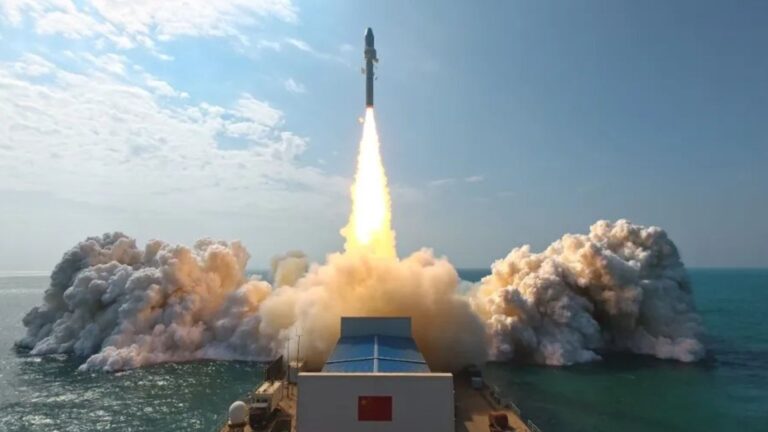
Chinese military-linked researchers have called for deeper integration between the country’s commercial space technology and its defence systems. The scholars

Brookhaven National Laboratory has built a custom “cloud in a box”—a convection cloud chamber that lets scientists create and study clouds under controlled conditions. The one-cubic-meter chamber allows repeatable experiments on how clouds form, why some produce rain, and how aerosols affect them. The work addresses one of the biggest uncertainties in weather and climate models.
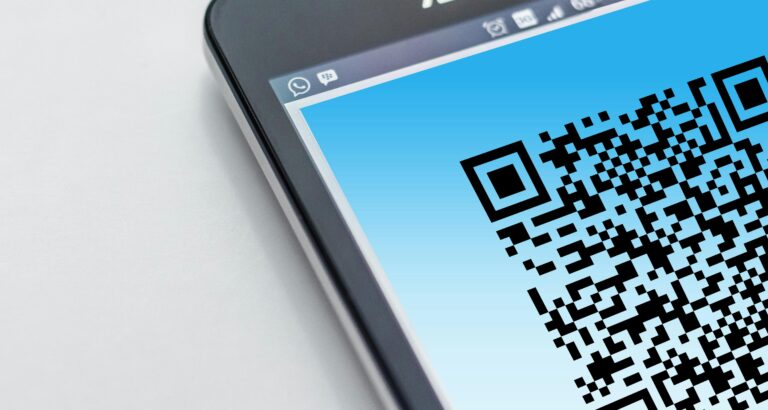
Austria’s TU Wien has set a Guinness World Record by creating the smallest QR code ever, measuring just 1.98 square micrometers—smaller than most bacteria. Working with industry partner Cerabyte, researchers engraved the code into durable ceramic material using focused ion beams. The technology could lead to ultra-dense, long-term data storage that lasts centuries without energy.
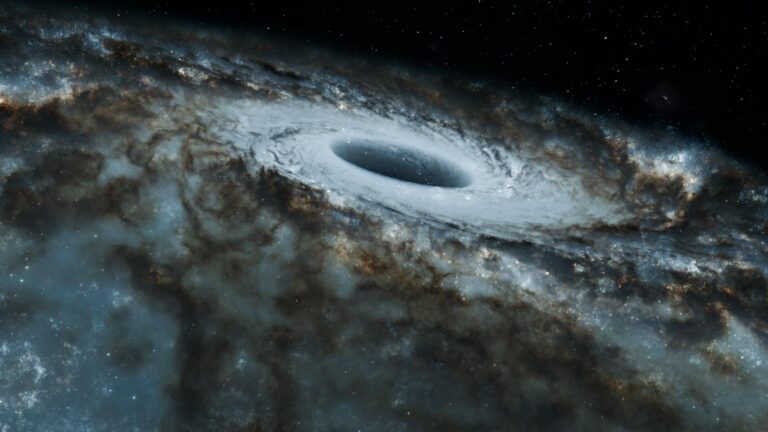
University of Florida scientists have solved the mystery of Antarctica’s “gravity hole”—a region where gravity is weaker than anywhere else on Earth. Using earthquake waves and computer models, they traced its formation back 70 million years. The research shows a connection between deep underground rock movements and the growth of Antarctica’s massive ice sheets.
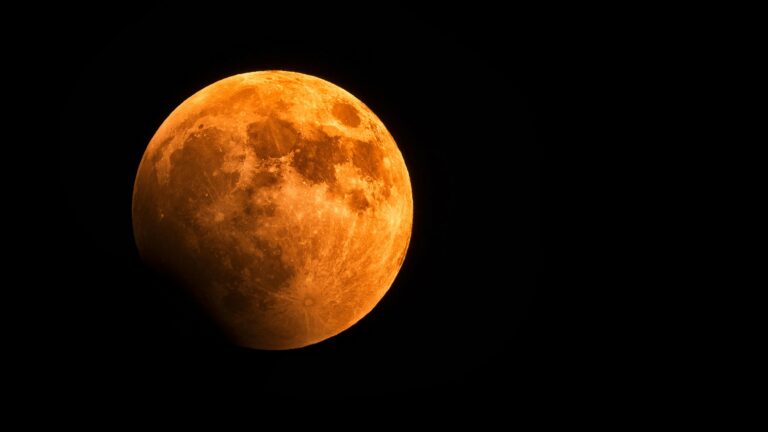
Scientists at the SETI Institute have a new idea about Saturn’s giant moon Titan. It might have formed when two smaller moons crashed together and merged. The violent collision would explain Titan’s few craters, its strange orbit, and even the age of Saturn’s famous rings. NASA’s Dragonfly mission heading to Titan in 2034 could prove this theory right.