

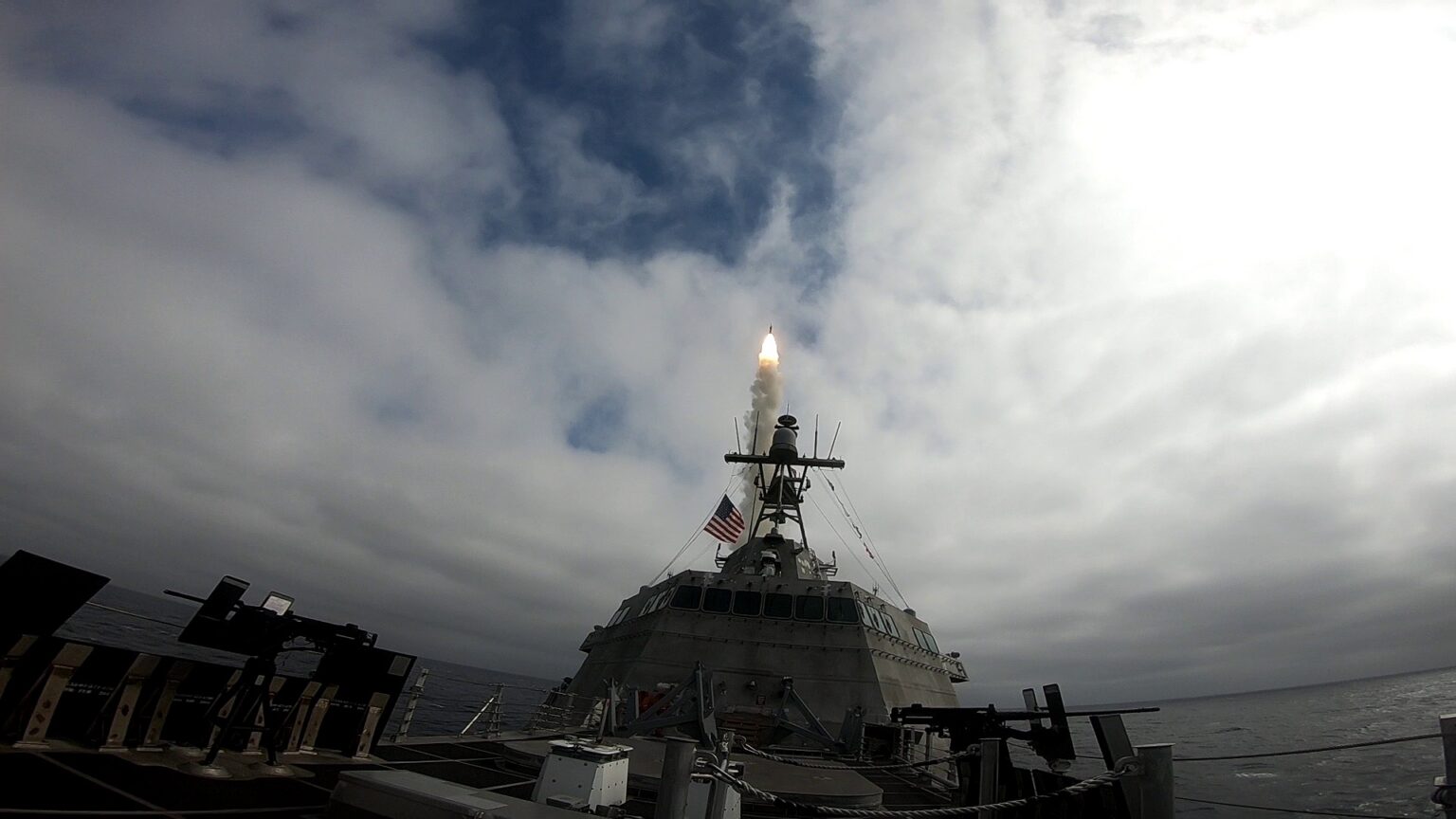
US and UK forces have tested several anti-ship weapons against a retired US Navy frigate during Exercise Atlantic Thunder 2026 in the North Atlantic.
The exercise included a long-range SM-6 strike, Royal Navy Naval Strike Missile and Sea Venom launches, and a final Mk 48 Advanced Capability torpedo attack. The operation gave the two navies a live target to test weapons, tactics, targeting, and coordination at sea.
The exercise used the decommissioned guided-missile frigate ex-USS Klakring as the target.
The Oliver Hazard Perry-class frigate was commissioned in 1983 and retired from US Navy service in 2013 before being prepared for the live-fire event. It served during Atlantic Thunder as a realistic surface target for multiple weapons and platforms.
SINKEX stands for sinking exercise, a form of live-fire training in which a decommissioned ship is used as a target. It allows military forces to assess weapons and practice the full sequence of detecting, engaging, and assessing damage against a real ship at sea. Such exercises also provide data that cannot be collected in the same way from simulated targets.
The US 6th Fleet led Atlantic Thunder, which involved US and UK ships, aircraft and a submarine. The exercise focused on live firing against a surface target, combined tactics and long-range maritime strike operations. It also tested how the two forces communicated and shared information during a complex engagement.
SM-6 Pushed Toward Range
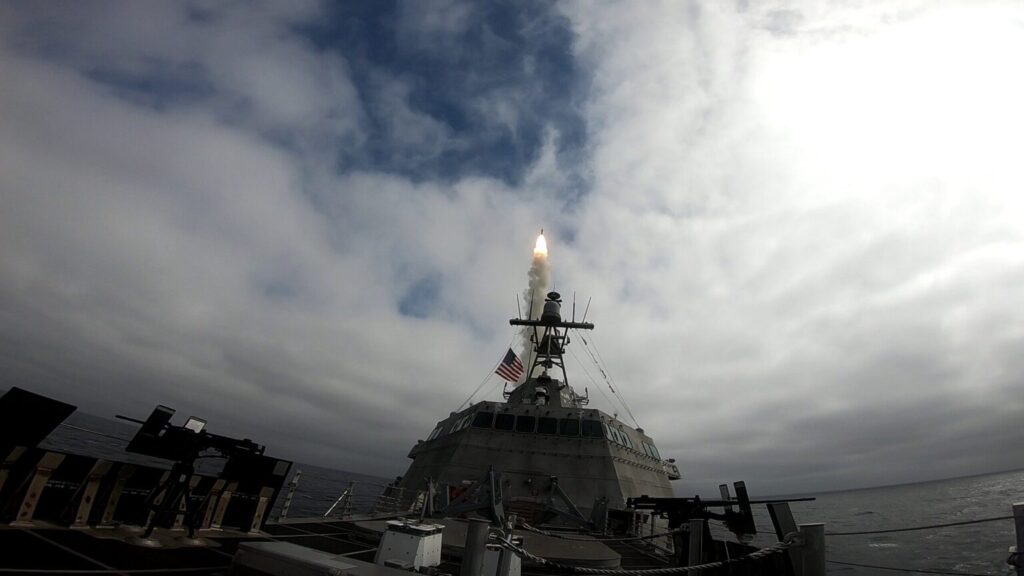
The US Navy destroyer USS Paul Ignatius fired an anti-surface variant of the Standard Missile-6 (SM-6) against Klakring. US Navy Capt. Kelechi Ndukwe said the test examined the missile’s surface-to-surface engagement capability at the furthest range selected for the event. He did not disclose the exact distance used during the test.
READ ALSO: https://modernmechanics24.com/post/huawei-tau-chip-heat-performance/
The SM-6 is a long-range missile originally developed for air defence, but later versions and configurations support anti-surface missions.
It uses an active radar seeker to help the missile detect and engage targets, and its ship-based system integrates with the Navy’s Aegis combat system. The US Navy describes the SM-6 as providing extended-range capability and an over-the-horizon engagement option.
Open-source estimates place the SM-6’s range at roughly 186 to 248 miles, although the Navy has not confirmed the distance used during the Klakring engagement.
The Atlantic Thunder test therefore focused on a specific operational question rather than simply demonstrating that the missile can hit a surface target. It examined how far the system could be used effectively in a surface engagement under the exercise conditions.
Britain Adds Two Missiles
The Royal Navy brought two of its maritime strike weapons into the exercise. HMS Portland fired the Naval Strike Missile, while a Wildcat helicopter operating from the frigate launched the Sea Venom missile against Klakring. The firings allowed the Royal Navy to use both systems against a realistic ship target during the same operation.
The NSM is a sea-skimming anti-ship missile designed to approach a target at low altitude. The Royal Navy said Portland’s launch was its first operational NSM firing, adding a live maritime target to the weapon’s UK testing and training activity. The missile is also operated by the US, Norwegian and Polish navies.
The Royal Navy launched the Sea Venom from a Wildcat helicopter during the exercise. The Royal Navy said the firing was the first operational Sea Venom launch from a Wildcat against a realistic target. The helicopter can carry up to four Sea Venom missiles and can employ the weapon against maritime and selected land targets.
Torpedo Delivers Final Strike
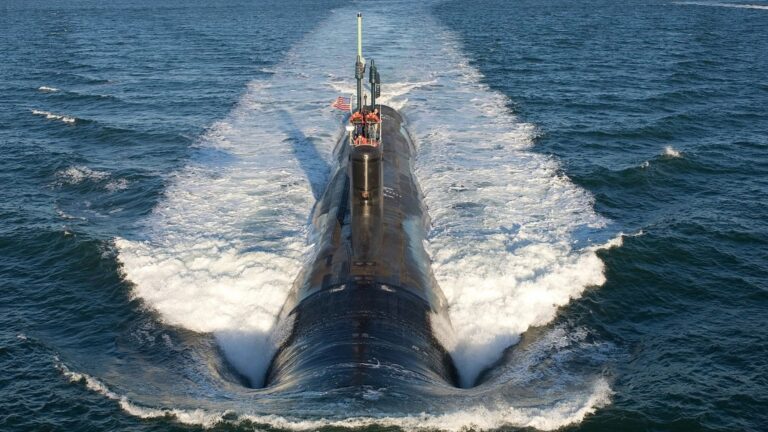
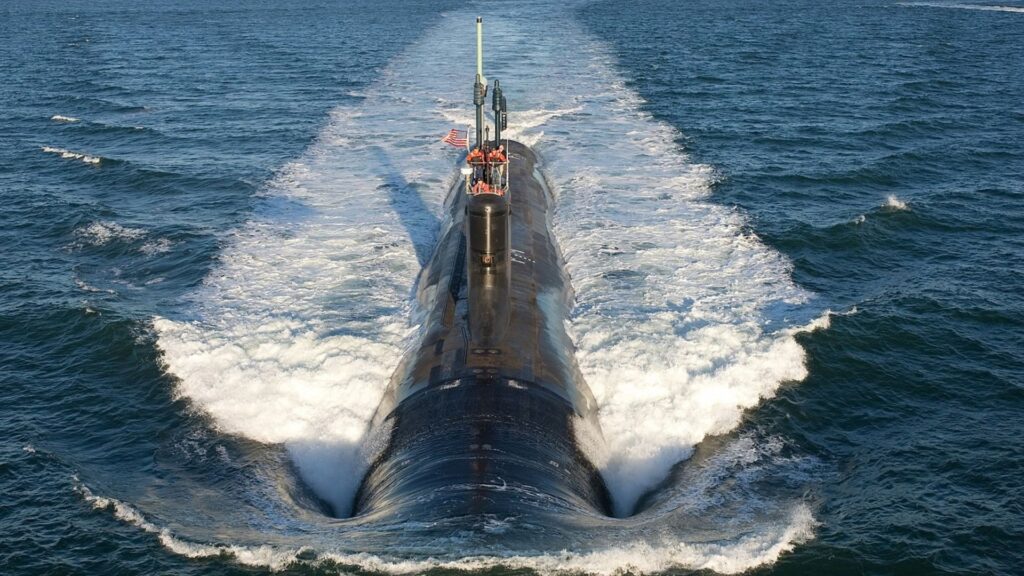
The final strike came from the Virginia-class attack submarine USS Massachusetts. The submarine fired an Mk 48 Advanced Capability torpedo, which hit Klakring and ultimately sank the retired frigate in the Atlantic. The engagement added an underwater attack to a sequence that had already included ship-launched and helicopter-launched missiles.
The exercise also involved US and UK maritime patrol aircraft and US Air Force F-15E Strike Eagle fighters. P-8 maritime patrol aircraft supported the wider activity, while additional US forces contributed to the multi-domain training event. These aircraft expanded the number of sensors and platforms involved around the target area.
READ ALSO: https://modernmechanics24.com/post/f-22-raptor-testing-stealth-sensor-pods/
Before the firing, US Navy facilities installed sensors on Klakring to record information from the attacks. Naval Surface Warfare Center Carderock and Naval Information Warfare Center Pacific supported the instrumentation effort, with the collected data intended to help examine impact locations and other technical details. The Navy plans to process that information after the exercise for use in future weapons and system development.
Data Will Shape Future Tests
Ndukwe said the weapons were employed from longer ranges toward shorter ranges during the sequence. This approach allowed the participating forces to examine different engagement stages while collecting data from the same target. The onboard sensors will support a later assessment of how the weapons affected the frigate and where the impacts occurred.
The exercise also tested US and UK forces’ ability to maintain communications throughout the operation. Ndukwe said the participants were able to communicate across the exercise and share battle-damage assessment information. That information-sharing process is important when several ships, aircraft and submarines are operating against the same maritime target.
Atlantic Thunder therefore combined missile testing with practical training for a joint maritime strike mission. The US examined the SM-6’s long-range surface-attack capability, while British forces conducted live firings of the NSM and Sea Venom. The Mk 48 torpedo then completed the sequence and sank the target frigate.
The data gathered from Klakring will now be studied alongside the weapons’ performance and the forces involved. Future exercises can use those findings to refine targeting, communications, damage assessment and the coordination of different strike systems.
For the US and UK navies, Atlantic Thunder provides a recent operational test case for combining long-range missiles, helicopter weapons and submarine-launched torpedoes in one maritime exercise.






One Response