Japan’s technology media outlet Nikkei xTECH has dismantled the Unitree G1 humanoid robot to study its engineering and internal design.
The teardown video was published on July 23 and quickly attracted attention across the technology and manufacturing sectors. Engineers examined everything from the battery pack and motors to the robot’s ankle mechanism and structural components.
The project aimed to understand how China’s humanoid robots have advanced so quickly in recent years. Engineers carefully inspected individual parts to identify the design choices behind the robot’s performance. As the examination progressed, they praised several key engineering features found inside the machine.
According to reports citing the teardown, the Japanese team concluded that Japan is unlikely to close the technology gap with China in humanoid robotics in the near future. They said China’s research has moved well beyond the stage of building demonstration models. Instead, they found evidence of engineering designed for practical deployment and future mass production.
Compact Power Design
One of the first components to receive attention was the Unitree G1’s battery system. Engineers noted that the battery combines a compact size with high power output, an important requirement for mobile humanoid robots. They described the battery design as one of the robot’s most impressive features.
According to Unitree’s official specifications, the G1 uses a 13-cell lithium battery with a 9,000mAh quick-release smart battery pack. The robot weighs about 35 kilograms, stands 1.32 meters tall, and delivers around two hours of operating time on a single charge. Packing enough energy into such a small space is important because the battery powers all of the robot’s joints and movements.
Humanoid robots need to balance weight, endurance, and performance at the same time. A larger battery increases operating time but also adds weight, making movement less efficient. The G1’s battery design demonstrates how engineers have worked to optimize both power and mobility.
Unitree G1 Impresses Engineers
The robot’s lower body attracted even greater attention during the teardown. Japanese engineers closely examined the ankle mechanism, describing it as one of the most sophisticated parts of the machine. They found that the design closely reproduces the way a human ankle moves while walking.
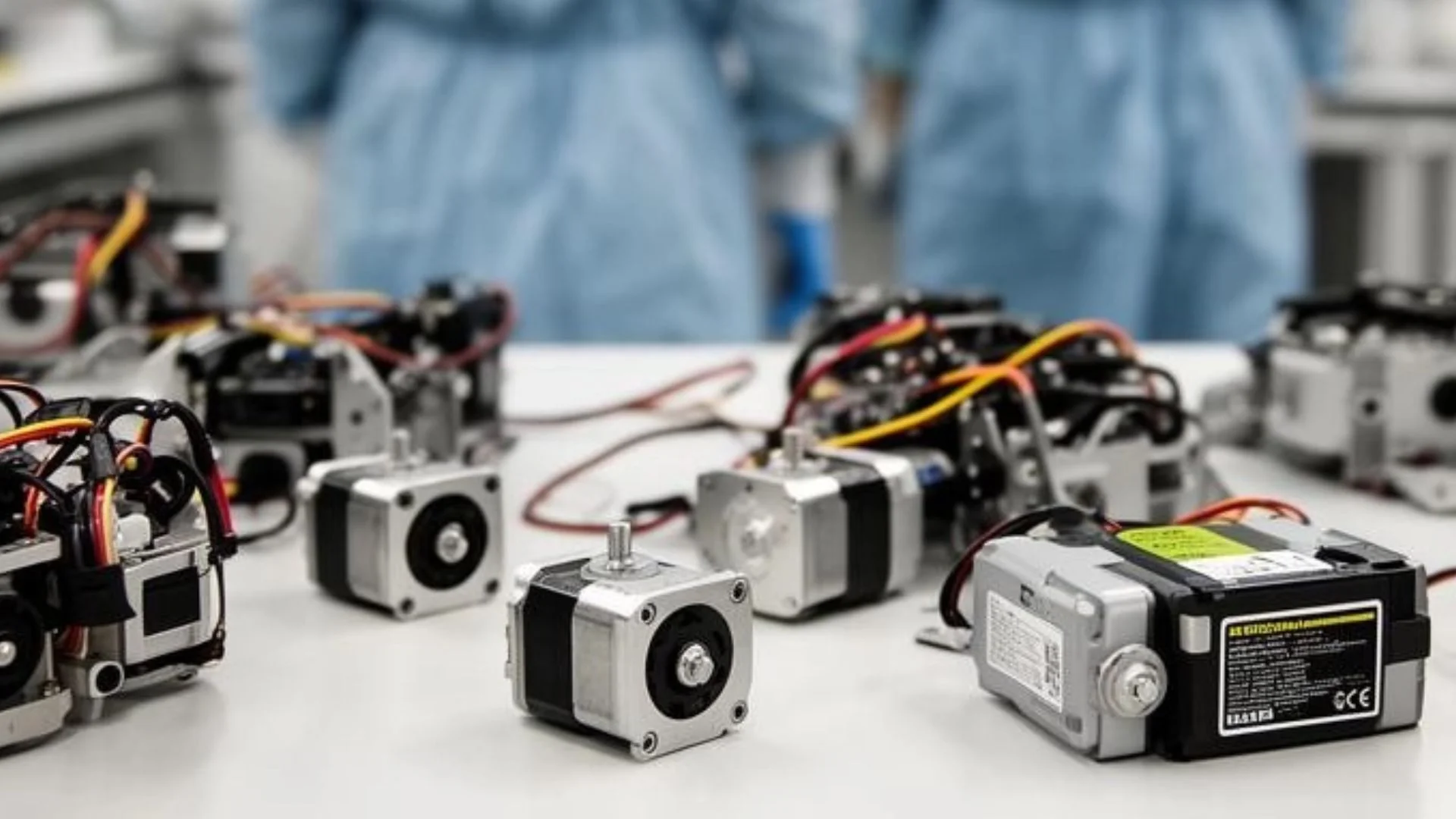
Inside each calf section, two electric motors drive metal linkages connected to the ankle. Multiple bearings work together with these linkages to adjust the ankle angle smoothly while the robot moves. This arrangement helps the robot maintain balance, absorb impacts, and walk more naturally over different surfaces.
Official specifications support these observations. Unitree says the G1 uses industrial-grade crossed roller bearings together with low-inertia, high-speed permanent magnet synchronous motors. Each leg has six degrees of freedom, including two at the ankle, allowing the robot to produce flexible and stable movement.
The engineers also praised the quality of the motors and transmission system. They said the design showed a high level of mechanical integration and precision engineering. Such systems are essential because every joint must respond quickly while supporting the robot’s full body weight.
READ ALSO: Humanoids Load Crates, Robot Dogs Sniff Out Gas Leaks as Factories Get Smarter
Industry Competition Changes
The teardown has highlighted broader changes taking place in the global robotics industry. Japan has long been recognized as a global leader in industrial robotics through companies such as FANUC and Yaskawa Electric. However, the competition is now expanding beyond factory robots into humanoid machines designed to work alongside people.
Chinese companies have accelerated development by combining manufacturing capacity, supply chain strength, and faster product development cycles. The Unitree G1 reflects this approach through its integrated hardware and production-ready design. The Japanese team’s assessment suggests that China has established a strong position in this rapidly growing field.
Industry data also shows China’s growing influence. According to the International Federation of Robotics (IFR), global industrial robot installations reached 542,000 units in 2024. China accounted for 295,000 new installations, representing 54% of the global total and pushing its operational robot stock above two million units.
The same report showed that Chinese manufacturers captured 57% of their domestic market in 2024, compared with around 28% ten years earlier. Japan remained the world’s second-largest industrial robot market with 44,500 new installations, although this represented a 4% decline from the previous year. Japan’s operational robot stock reached approximately 450,500 units.
Japan continues to hold an important position as a major supplier of industrial robots worldwide. Earlier IFR data showed Japanese manufacturers supplied about 45% of global industrial robots and exported nearly four-fifths of their production.
READ ALSO: Elbit’s Merchant Ship Drone Carrier Kit Redefines Naval Aviation With Hermes 650 Spark
The challenge now is whether that manufacturing strength can be translated into the rapidly evolving humanoid robotics sector, where system integration, artificial intelligence, and cost-efficient production play an important role.
The findings from the Unitree G1 teardown also strengthen confidence in China’s growing robotics supply chain. Independent examination by overseas engineers has highlighted the maturity of its hardware engineering and manufacturing capabilities.
However, competition between global robotics developers is expected to intensify, with commercial deployment likely to expand across more industries in the coming years.