American Fusion has reached an important stage in the development of its Texatron Fusion Engine platform after securing regulatory approval in Texas.
The company says the certification allows it to move ahead with planned testing while continuing efforts to bring its fusion technology closer to commercial use. Executive Chairman Brent Nelson shared the latest updates during a recent interview, outlining the company’s technical progress, business plans, and industry focus.
Texas Testing Begins
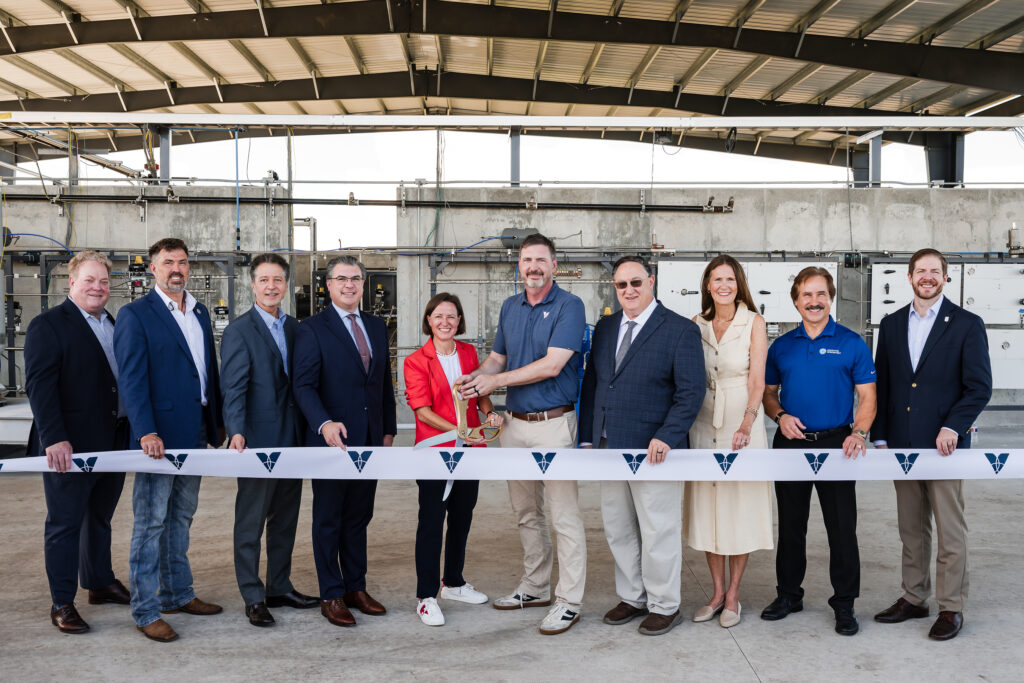
The company recently received certification from the Texas Department of State Health Services covering all twelve registered Texatron Fusion Engine models. These systems range from a compact 500-kilowatt unit to a large-scale reactor capable of producing up to one gigawatt of power. Nelson said the approval provides the regulatory clearance needed to begin the next stage of testing.
Testing will take place at Texas Tech University, where company teams are finalising operational preparations. Engineers and researchers will work together to gather technical data and evaluate how the system performs under controlled conditions. The information collected will help determine whether the technology is meeting its expected design goals.
Fusion energy works by combining light atomic particles to release large amounts of energy. Unlike traditional power generation, fusion aims to produce electricity with lower long-term waste while using fuel sources that are more widely available. Scientists have spent decades trying to make the process practical for commercial electricity production.
READ ALSO: These 3D-Printed Bioplastic Pods Could Save Thailand’s Dying Seagrass Meadows
Technical Goals Ahead
American Fusion has outlined several milestones for its upcoming testing programme. The first objective is to confirm that fusion reactions are taking place inside the Texatron system during operation. Engineers will also measure plasma temperature and density, which are key indicators of how efficiently the reaction is working.
The company also plans to evaluate electricity produced during pulse-based operation. Pulse generation means the system releases energy in controlled bursts rather than continuously during early testing stages. Later phases will focus on moving toward sustained electricity production over longer operating periods.
Nelson said independent documentation will support the testing programme. Following technical review, some of the findings may also become available through scientific publications. Independent verification is intended to strengthen confidence in the company’s reported results.
American Fusion Targets Data Centers
Alongside technical development, American Fusion continues building several larger Texatron systems. These include five-megawatt, ten-megawatt, and twenty-megawatt configurations designed for future commercial deployment. The company believes different power levels will serve a wide range of industries with varying electricity needs.
One of the company’s main commercial targets is the fast-growing data centre industry. Expanding artificial intelligence services and cloud computing require reliable electricity supplies, creating rising demand for new energy sources. Nelson identified this sector as one of the near-term opportunities for future deployment.
American Fusion also sees potential applications in industrial facilities, mining operations, defence infrastructure, and future space missions. Reliable high-output energy systems may support locations where stable power is difficult to secure. The company is also planning development work for an even larger 100-megawatt reactor system.
Business Plans Strengthen
To support commercial expansion, American Fusion recently appointed a Chief Revenue Officer. The new executive will focus on customer relationships, strategic partnerships, and business development across government and commercial markets. Company leaders believe stronger commercial engagement is essential as the technology advances toward deployment.
READ ALSO: Gene.01 Humanoid Robot Brings Full-Body Touch Sensing to Industrial AI Applications
American Fusion is also expanding its intellectual property portfolio through additional patent filings. Management views patent protection as an important step in protecting future technologies while strengthening long-term business value. The company says the filings cover both existing innovations and future developments related to the Texatron platform.
The company has also introduced an AI-powered investor communications platform operated by an independent third party. The service is designed to provide shareholders with easier access to company updates and responses to submitted questions. Management says the initiative aims to improve transparency while addressing misinformation surrounding the business.
Looking ahead, American Fusion plans to complete key testing milestones, validate reactor performance, pursue initial power placement agreements, and continue designing larger reactor systems.
Progress in these areas will determine how quickly the company can move from testing to commercial deployment. If those objectives are achieved, the Texatron platform may become part of the growing effort to deliver alternative energy solutions for industries facing rising electricity demand.