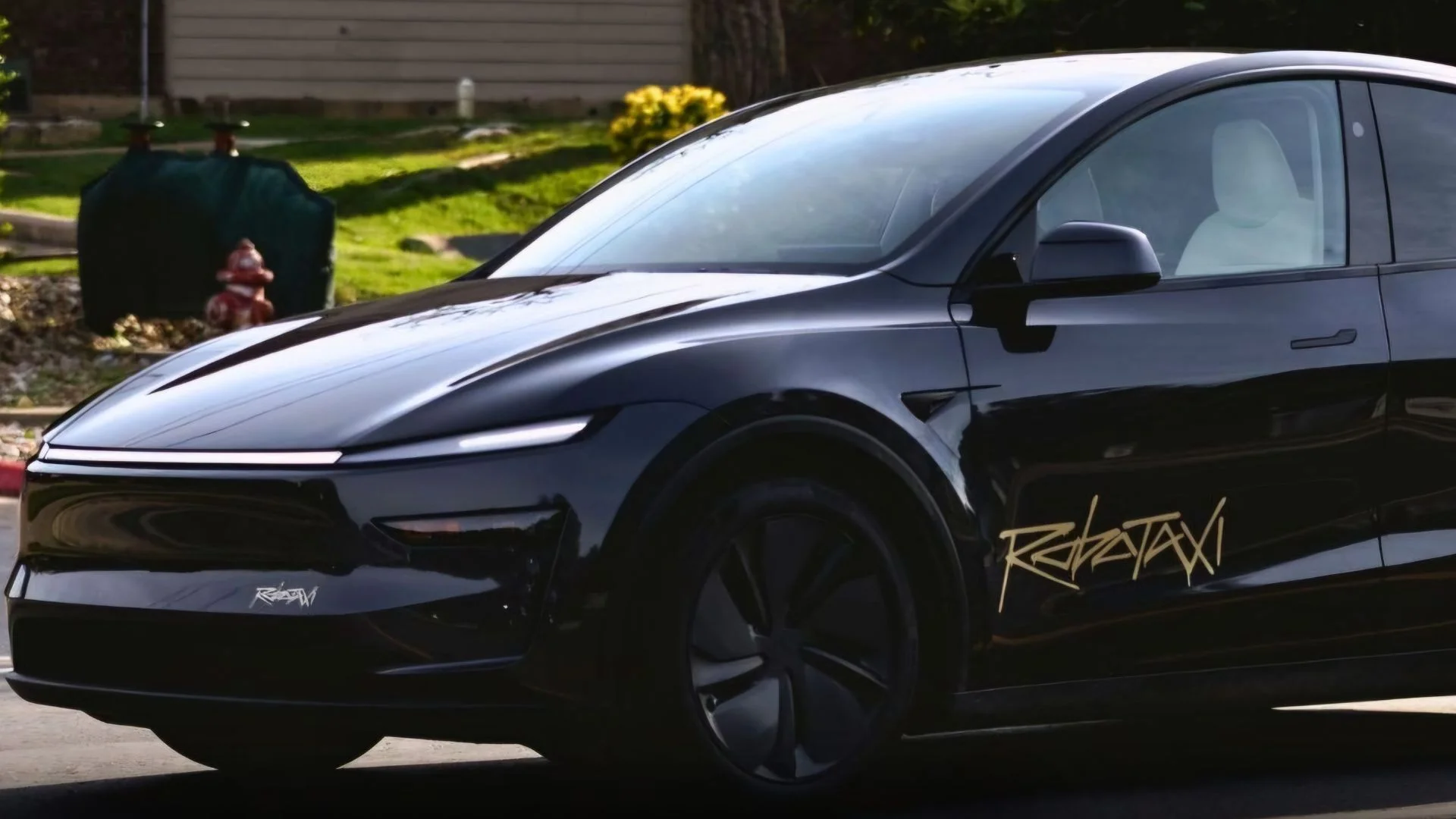
Tesla has publicly released detailed narratives for 17 autonomous driving crashes that were previously hidden from public view.
The reports were submitted to the US National Highway Traffic Safety Administration under the agency’s automated driving system reporting rules.
The newly available records cover incidents involving Tesla’s Robotaxi testing program in Austin, Texas between July 2025 and March 2026.
For months, Tesla was the only autonomous vehicle company to fully redact crash descriptions in its filings. Other autonomous vehicle operators, including Waymo, Zoox and May Mobility, provided detailed public summary of incidents. Tesla argued that publishing its reports would expose sensitive business information and harm its competitive position.
The updated filings now reveal what actually happened during every reported crash. All incidents involved a 2026 Tesla Model Y operating with the company’s autonomous driving system engaged. A human safety monitor was also present inside the vehicle during each event.
Most crashes involved minor damage and low speeds during urban driving conditions. Thirteen incidents caused only property damage, while two reported no injuries. One crash caused a minor injury without hospitalization, and another resulted in a minor injury that required medical evaluation and hospitalization.
READ ALSO: Read: How Diesel Submarines Operate Underwater Without Air-Breathing Engines
The records show that many crashes were caused by other road users rather than the autonomous system itself. Several Teslas were rear-ended while stopped at traffic lights, stop signs, or intersections. In multiple cases, human drivers behind the wheel simply failed to stop in time.
One July 2025 incident involved an SUV creeping forward into a stopped Tesla at a red light. Another March 2026 crash happened when a pickup truck rear-ended a Tesla stopped at a stop sign. In another case, a city bus sideswiped the Tesla while turning through an intersection.
The pattern closely matches crash data previously released by other autonomous driving companies. Self-driving vehicles often follow traffic laws very strictly and stop more cautiously than human drivers. That behavior can sometimes surprise nearby motorists who expect more aggressive driving patterns.
Teleoperator Errors Raise Questions
Some incidents revealed limitations in Tesla’s autonomous system and its remote support operations. Two crashes happened after a remote teleoperator took control of the vehicle. These incidents have drawn attention because teleoperators are supposed to help vehicles recover safely from difficult situations.
In July 2025, a Tesla stopped on the side of a street after the autonomous system failed to continue moving. The safety monitor requested assistance from a remote operator. The teleoperator then drove the vehicle over a curb and into a metal fence at 8 mph.
That crash caused the only injury in the dataset that did not require hospitalization. No passengers were inside the vehicle during the incident. The report stated that the vehicle struck the fence after steering left and climbing the curb.
A similar event happened in January 2026 during another navigation support request. The vehicle was stationary when a teleoperator took over control. The operator then drove directly into a temporary construction barricade at 9 mph.
WATCH ALSO: Lightweight advanced materials are transforming aerospace innovations
The crash damaged the vehicle’s front-left fender and tire. Tesla classified the event as property damage only. The incident highlighted challenges with remote intervention systems, which are becoming increasingly important in autonomous driving operations.
Teleoperators are remote human assistants that can guide self-driving vehicles through difficult road conditions. They are commonly used in robotaxi industry as a backup layer for automated driving systems. However, these incidents suggest that remote human assistance can also bring new risks.
Several crashes also pointed to issues with the vehicle’s spatial awareness. In September 2025, the autonomous system drove into a metal chain as it entered a parking lot after an unprotected left turn. Another October incident involved a Tesla clipping a protruding trailer hitch.
The system also struggled during low-speed reversing maneuvers. In January 2026, a crash occurred when the Tesla backed into a wooden electrical pole while attempting to reverse out of a blocked alley. Another involved the rear tire hitting a curb while parking in an empty space.
A separate January incident involved a Tesla driving through a narrow street lined with parked vehicles. The vehicle’s side mirror hit a heavy-duty tow truck parked along the road. One passenger was inside the car during that event.
Tesla Robotaxi Testing Faces More Scrutiny
The most serious crash in the reports involved a rear-end collision at a very low speed. The Tesla was slowly creeping forward at about 2 mph in a right-turn slip lane, yielding to traffic. An SUV behind the vehicle then struck it from the rear.
The safety monitor later reported pain and sought medical evaluation. The injury was classified as minor but required hospitalization. While investigators found the SUV driver responsible, the incident renewed debate over how cautious autonomous systems should be in traffic.
READ ALSO: France’s Airbus Unveils Two New Helicopter Concepts for NATO Studies
Some safety experts have argued that overly cautious driving can create confusion for nearby human drivers. Human motorists often expect quicker movement through intersections or merges. Autonomous systems that pause longer than expected can increase the chance of rear-end crashes.
Not all incidents involved other vehicles or infrastructure. In September 2025, a dog ran into an intersection while the Tesla was driving through a green light at 27 mph. The system slowed down and steered left, but the animal still struck the vehicle and was pushed toward a nearby van.
Tesla reported that the dog later ran away from the scene. No injuries were reported in that incident. The event demonstrated how unpredictable road conditions remain difficult for both human and autonomous drivers.
Another unusual crash occurred in September 2025 involving a pedicab rider. The Tesla was stopped at a red light when the pedicab clipped its side mirror as it passed in the bike lane. A similar low-speed event occurred in November 2025 when a scooter rider touched the rear of the stopped Tesla before riding away on the sidewalk.
One December 2025 incident began with a tire puncture caused by an uneven pavement surface. As the vehicle attempted to pull over safely, the damaged tire contacted a curb. Tesla said the autonomous system activated a minimal risk maneuver during the event.
The release of these crash narratives comes at a critical moment for Tesla’s autonomous driving ambitions. The company continues expanding its Robotaxi development program while facing increasing regulatory attention in the United States. Transparency around crash data has become an important issue as more self-driving systems move onto public roads.
The newly disclosed reports provide a clearer picture of how Tesla’s autonomous technology performs in real-world urban traffic. Most incidents involved minor damage and low-speed situations rather than major failures. Still, the teleoperator crashes and parking-related collisions show that important technical and operational challenges remain unresolved.
WATCH ALSO: India’s indigenous Zorawar light tank has fired an anti-tank guided missile
Tesla’s decision to unredact the reports also changes how regulators, researchers, and the public can evaluate the company’s progress in autonomous driving.
Detailed crash narratives allow comparisons with competitors and provide insight into how different systems handle difficult situations. With robotaxi testing expanding across the industry, public access to this information is expected to play a larger role in shaping safety standards and future regulations.