

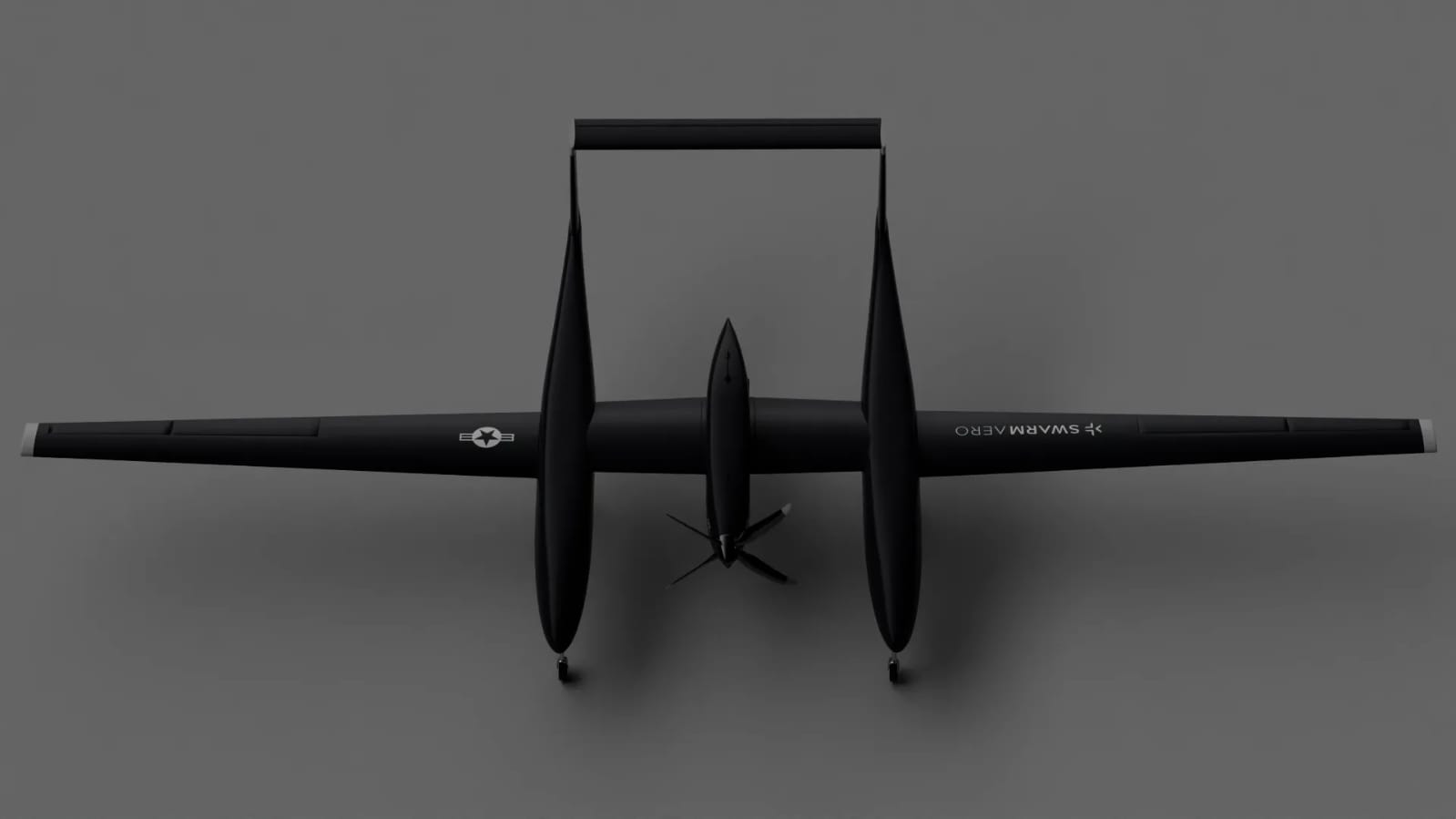
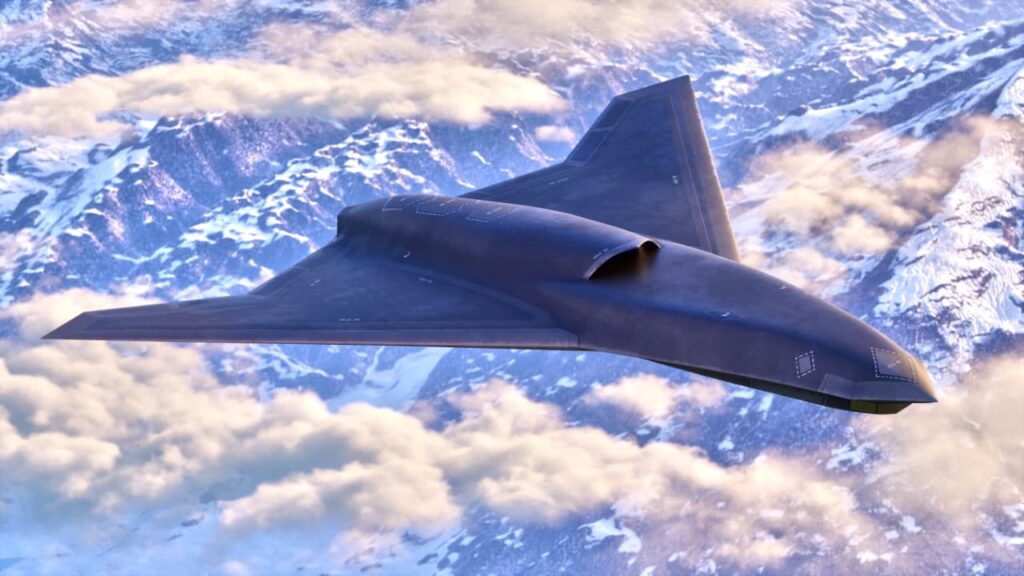
Swarm Aero has unveiled its Gamera unmanned aircraft as a candidate to replace the US Air Force’s MQ-9A Reaper.
The company presented a full-scale model of the aircraft at the Air and Space Forces Association conference. Gamera is being positioned for the Pentagon’s Massed Modular Aircraft ( MMA) program.
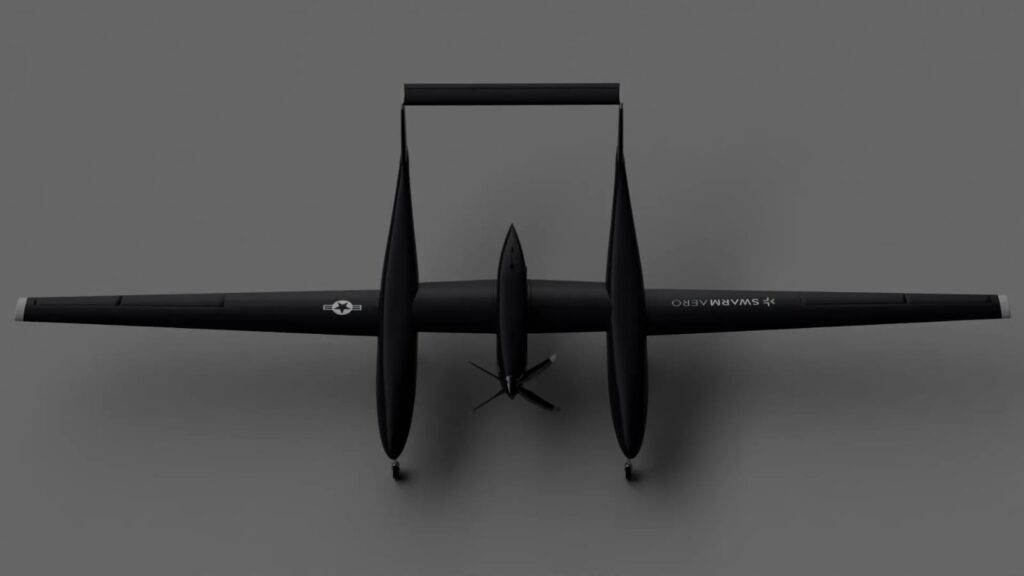
The proposed aircraft has a 72-foot wingspan and is designed for an unrefueled range of 9,000 nautical miles. That distance is equivalent to about 10,357 miles, according to the company. Swarm says the aircraft will also have seven hardpoints for carrying weapons and other mission equipment.
Unlike the MQ-9A and many other long-range unmanned aircraft, Gamera uses a twin-hull layout. It has two parallel fuselages rather than one central body. Swarm says this design reflects a deliberate focus on range instead of low observability or stealth.
READ ALSO: https://modernmechanics24.com/post/agm-190a-havoc-spear-cleared-combat/
Range Comes Before Stealth
Swarm co-founder and chief revenue officer Oliver Palmer said the company made different design choices from conventional long-range aircraft.
He said Gamera is intentionally simple and non-stealthy, with its structure optimized for extreme range. The approach is based on the idea that not every long-range mission requires an expensive stealth aircraft.
This design philosophy also affects the aircraft’s expected cost and construction. Swarm is seeking to reduce complexity while maintaining the range and payload needed for military missions. The company believes this balance will help Gamera compete under the MMA program.
The Pentagon launched the MMA effort to develop a cheaper and more attrition-tolerant aircraft for missions now performed by platforms such as the Reaper. The requirement has gained greater attention after MQ-9 losses during recent combat operations involving Iran. Depending on its configuration, an MQ-9A can cost up to about $50 million.
Pentagon Seeks Lower Costs
The MMA program has set a target of roughly $10 million per aircraft. US Air Force officials said on September 3 that the service had been directed to accelerate the program’s fielding. The goal is to create an aircraft that can be produced and replaced more easily than today’s expensive systems.
Swarm says Gamera can meet the program’s required payload and range combination. The MMA solicitation calls for a payload capacity of at least 2,800 pounds.
Swarm CEO Peter Kalogiannis said the aircraft can meet that requirement while allowing operators to trade payload against range depending on the mission.
A heavier weapons load would reduce the aircraft’s maximum range. A lighter payload would allow more fuel and longer missions. This flexibility is intended to make the same aircraft useful across different operational requirements.
WATCH ALSO: https://modernmechanics24.com/post/china-five-destroyers-firepower-drill/
Modular Design Drives Flexibility
Swarm is also emphasizing modularity as a central feature of Gamera. The company says payloads, hardware and software can be changed more easily as requirements evolve. This approach fits the Pentagon’s broader effort to field aircraft that can be upgraded without redesigning the entire platform.
The aircraft will use Honeywell’s TPE331 turboprop engine. The engine is an established design rather than a newly developed propulsion system. Kalogiannis said Swarm sees greater opportunities for innovation in areas such as avionics and composite aerostructure manufacturing.
Swarm has also developed its own autonomy system called Legion. The company was one of three vendors selected by the Defense Innovation Unit to prototype a command-and-control system for drone swarms under the Replicator initiative. These software and autonomy capabilities form another part of Swarm’s wider unmanned-aircraft strategy.
Flight Testing And Expansion
Gamera has been under development since 2022, and Swarm plans to begin flight testing later in 2027. The company also says it has invested in manufacturing capabilities that could support rapid production if the aircraft is selected. That production focus is important because the MMA program is intended to support larger numbers of lower-cost aircraft.
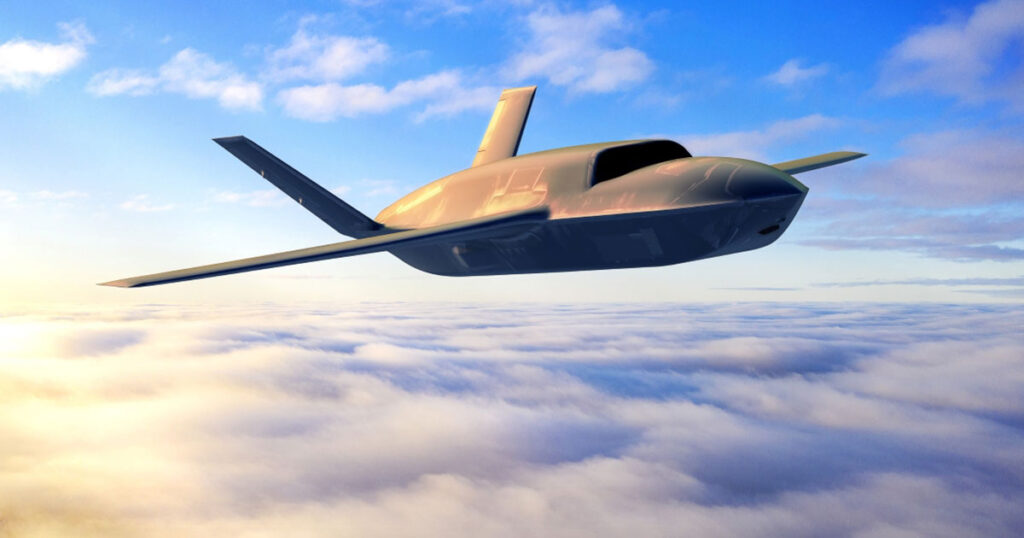
Swarm is entering a field that already includes established defense companies. General Atomics, the manufacturer of the MQ-9A, has introduced its own MMA candidate, known as Wildfire. More companies are expected to compete as the Pentagon moves toward selecting an aircraft for the program.
READ ALSO: https://modernmechanics24.com/post/proxima-fusion-lower-saxony-hts-tape/
The company also sees potential applications outside military operations. Future civil uses could include logistics and firefighting, according to Swarm executives. For now, however, the Pentagon remains the company’s primary customer as Gamera moves toward its first flight and the wider MMA competition develops.






One Response