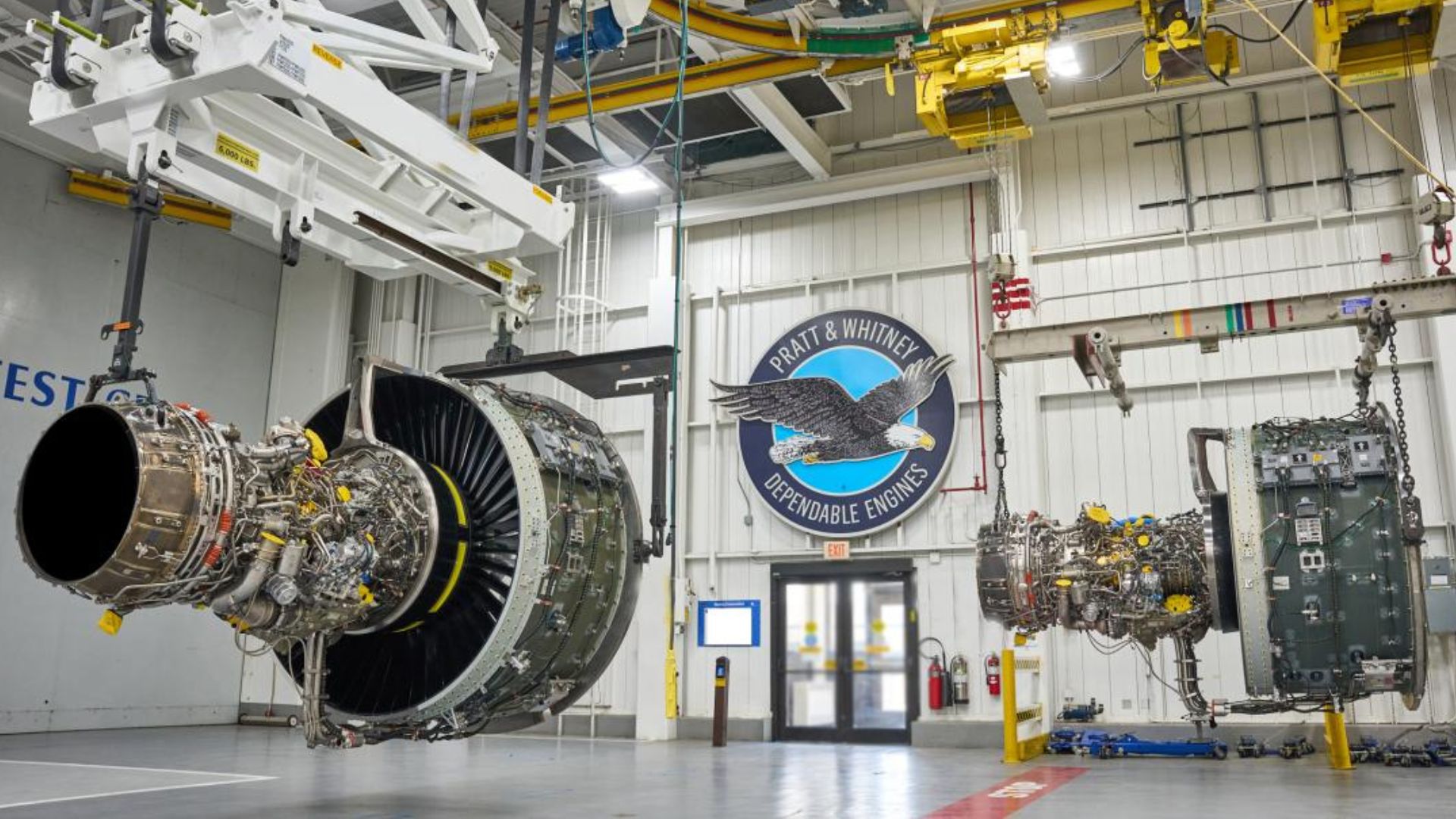
RTX’s Pratt & Whitney is strengthening its engine maintenance operations by expanding AI-assisted inspection technology across its global network.
The company has integrated software from Amsterdam-based Aiir Innovations following its acquisition of the business. The system supports inspections for commercial, civil, and military aircraft engines.
The technology is used in borescope inspections, where a small camera is inserted into an engine to examine internal parts without taking the engine apart. Artificial intelligence reviews the video footage and helps inspectors identify wear, damage, or other issues more quickly. This makes inspections faster and delivers more consistent results.
Faster Maintenance Process
Pratt & Whitney said the software has already been introduced to commercial customers and maintenance, repair, and overhaul providers. The company reported that the system has significantly reduced the time needed to complete engine inspections. Faster inspections also help aircraft return to service sooner, reducing delays for operators.
The company has already applied the technology to the V2500 engine. It has also completed pilot programs on the GTF and F135 engines and plans to extend its use to more engine families. This wider rollout is part of Pratt & Whitney’s effort to modernize maintenance throughout an engine’s operating life.
READ ALSO: US Drone Boats Hit Iran Naval Base in Historic Autonomous Strike That Changes Naval Warfare
Learning Through Feedback
The AI software improves over time by learning from inspector feedback during real inspections. As more data becomes available, it delivers more accurate classifications that better match expert assessments. The system also creates detailed inspection reports in minutes instead of requiring lengthy manual documentation.
Rob Griffiths, Senior Vice President of Commercial Engines Operations at Pratt & Whitney, said the expanded use of AI-assisted inspections will help detect problems earlier, improve turnaround times, increase engine time on wing, and reduce operational disruptions for customers.
He added that the technology will reshape how engines and components are inspected, maintained, and supported throughout their lifecycle. The company plans to continue expanding its application across Pratt & Whitney’s operations.
Pratt & Whitney Expands AI
Aircraft engine inspections are essential for safety, reliability, and efficient airline operations. Traditional inspections rely heavily on manual reviews, which can take time and may vary between inspectors. AI provides an extra layer of support by speeding up the process while maintaining consistent inspection standards.
The growing use of artificial intelligence reflects a wider shift toward digital maintenance across the aviation industry. As more engines adopt AI-assisted inspections, airlines and military operators may benefit from shorter maintenance periods and improved fleet availability. Pratt & Whitney’s continued expansion of this technology signals a broader move toward smarter and more efficient aircraft maintenance worldwide.