TNO and Destinus have announced plans to establish a joint venture to develop, scale, and manufacture advanced radar seeker technology for interceptor systems.
The planned company is expected to begin operations in 2026 after receiving the required regulatory approvals. The initiative aims to strengthen Europe’s air defence capabilities while supporting the growth of the Dutch defence industry.
The partnership combines TNO’s research expertise with Destinus’ experience in engineering and industrial production. Both organisations will work together to transform advanced defence research into practical systems for operational use. The collaboration also reflects Europe’s wider effort to increase self-reliance in critical defence technologies.
Radar Seeker Role
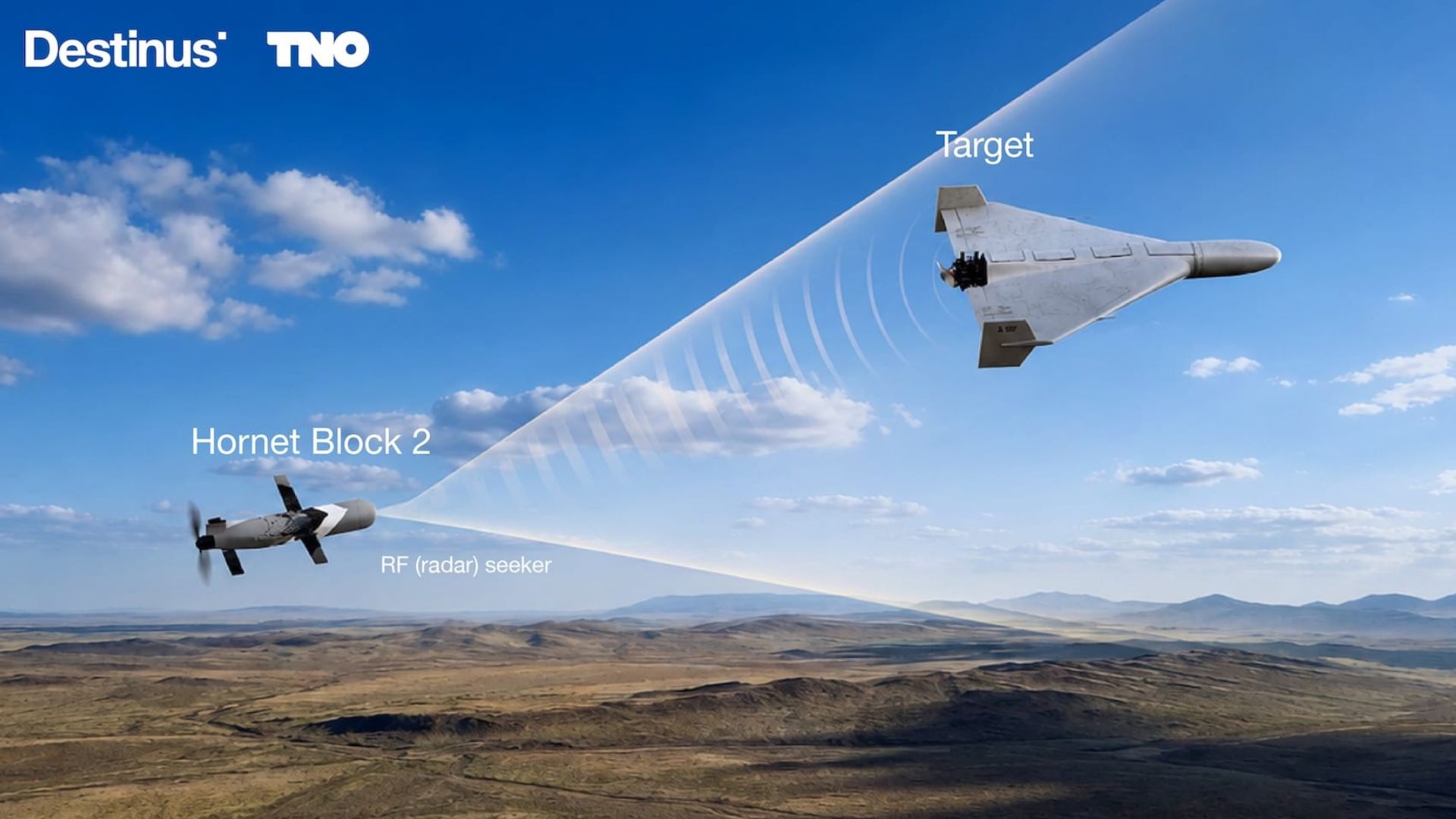
The main product of the joint venture will be an advanced radio-frequency (RF) seeker for interceptor systems. An RF seeker is a compact radar sensor that helps guide an interceptor toward its intended target. The device is about the size of an ice hockey puck but performs one of the most important functions in modern precision defence systems.
The radar seeker functions like an interceptor’s eyes during the final stage of its flight. It detects and tracks targets even when visibility is poor due to darkness, rain, fog, or other adverse weather conditions. Unlike systems that rely only on cameras or optical sensors, radar continues to operate effectively in challenging environments.
The technology also helps distinguish genuine targets from decoys that are designed to confuse defence systems. This improves the accuracy of interceptor operations in complex situations. Decisions on whether to engage a target will remain under human control and within existing military procedures and legal frameworks.
Shared Development Responsibilities
Under the planned joint venture, TNO will focus on research, technology development, and validation of new radar concepts. The organisation will continue developing technical knowledge, system architectures, and innovative designs. Destinus will take responsibility for engineering, system integration, industrial production, and introducing the technology into operational air defence systems.
READ ALSO: UK Unveils Common Combat Vessel to Replace Type 45 Destroyers With Drone-Led Fleet
The companies expect to complete the first demonstration products early next year. These initial systems will help validate the technology before larger-scale manufacturing begins. The formal creation of the joint venture will depend on approvals from the relevant authorities.
TNO Chief Executive Officer Tjark Tjin-A-Tsoi said Europe must strengthen its defence technology and industrial base in response to changing geopolitical conditions.
He said success depends not only on producing defence platforms but also on controlling the critical technologies that make them reliable and effective. He added that earlier access to these technologies would create new opportunities for Dutch companies to manufacture and scale important defence systems.
European Defence Focus
Destinus Group Chief Technology Officer Tim Moser said advanced seekers remain one of the most important guidance technologies in modern air defence.
He explained that radar seekers perform well in situations where optical systems face limitations because of weather, poor visibility, or more complex target environments. He said the partnership allows Destinus to combine TNO’s radar expertise with its own ability to design, industrialise, and scale complete defence systems.
The announcement comes as European countries continue to reduce dependence on external suppliers for sensitive defence technologies. Governments across the region are placing greater emphasis on faster development and deployment of advanced military systems. Partnerships between research organisations and industry have become increasingly important in achieving these goals.
The planned venture also follows a recently signed letter of intent between the Dutch Ministry of Defence and TNO. The agreement seeks to move research projects into practical applications more quickly while strengthening Europe’s position in defence and dual-use technology supply chains. State Secretary Derk Boswijk said the cooperation matches the government’s focus on accelerating defence innovation through closer collaboration between research institutions, industry, and the military.
If established as planned, the joint venture will help bring advanced radar technology from the laboratory into operational defence systems more quickly. It will also support the expansion of Dutch high-tech manufacturing while contributing to Europe’s long-term defence capability. The first demonstration systems are expected next year and will mark an important milestone before full-scale production begins.