Tungsten has become one of the most important minerals for the US as the country works to strengthen its domestic supply chain.
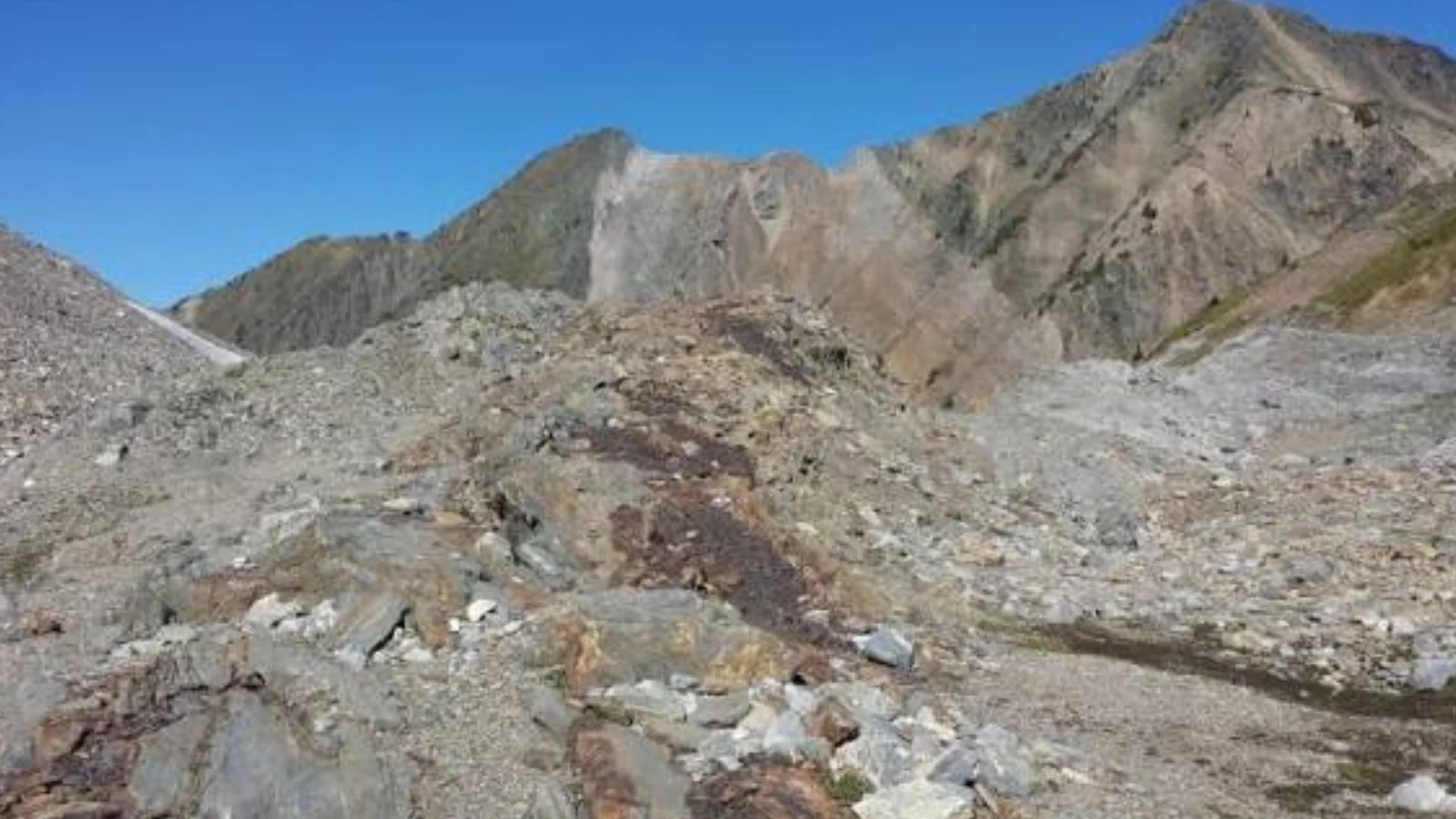
Western Star Resources has now commenced field exploration at its White Star Tungsten Project in Nevada, a past-producing property located in one of America’s historic tungsten mining districts.
The work comes months before new US defense procurement rules take effect on January 1, 2027, which increases the need for reliable domestic sources of the strategic metal.
The US has not produced tungsten from a domestic mine since 2015. At the same time, the country depends heavily on imported supplies for defense and industrial manufacturing.
That situation is more urgent because new federal rules will soon prevent defense contractors from using tungsten that is mined, processed, or refined in China, Russia, Iran, or North Korea.
Against this backdrop, Western Star Resources has mobilized field crews to its fully owned White Star Tungsten Project in Elko County, Nevada.
The company announced that exploration work officially began on June 22, 2026. This is the first modern exploration campaign across the property and the historic Mission Cross Mine it surrounds.
Western Star Launches Modern Exploration at White Star
The first phase of exploration focuses on gathering detailed information before drilling begins. Rather than rushing into expensive drilling, the company is collecting scientific data to identify the most promising targets. This step-by-step approach helps reduce exploration risk while improving the chances of finding economically valuable mineral zones.
One of the main activities is a high-resolution drone magnetic survey across the entire property. The drones measure small changes in the Earth’s magnetic field that reveal different rock formations below the surface. These underground patterns often help geologists identify structures that can host tungsten mineralization.
The company expects to receive the first processed magnetic survey data within the coming weeks, and that information will guide future exploration decisions across the project. It will also become part of a larger geological model covering nearby properties.
READ ALSO: France Shuts Nuclear Reactors as Record Heatwave Pushes River Temperatures to Critical Levels
Western Star is also carrying out detailed geological mapping around the historic Mission Cross Mine. Geologists are examining old mine workings, trenches, shafts, tunnels, and waste rock left behind by previous operators, helping connect historical mining records with modern exploration methods.
Another important part of the program involves collecting soil samples across the broader claim area. Scientists will analyze these samples in certified laboratories to identify unusual concentrations of tungsten and related minerals, and rock-chip samples collected during fieldwork will also undergo laboratory testing.
The White Star Project sits next to Western Star’s Rowland Tungsten Property in Nevada’s Charleston Mining District. Because both properties share similar geological features, the company plans to combine exploration results from both locations. This integrated approach allows geologists to study the district as a single mineral system rather than isolated projects.
Company President and Chief Executive Officer Blake Morgan said the White Star program strengthens Western Star’s growing US tungsten portfolio.
He explained that the company now has active exploration work underway at White Star, Rowland, and the recently acquired Eagle Point Project in New Mexico. He added that combining drone surveys with soil and rock sampling offers the fastest route toward identifying future drill targets.
Why Tungsten Is a Strategic Mineral
Interest in tungsten has grown sharply because global supply remains highly concentrated. China controls roughly 80 percent of global mine production and dominates the processing industry that converts tungsten ore into finished products. That concentration has raised supply chain concerns for Western governments and manufacturers.
China has tightened export controls on tungsten during the past several years. Export licensing rules introduced earlier became even stricter through 2025. By late 2025, only 15 approved companies had been granted permission to export tungsten products during 2026 and 2027.
Chinese mine production has also declined as older mines become less productive. Lower ore grades have reduced overall output, placing additional pressure on global supplies. Together, these developments have prompted buyers to seek alternative sources outside China.
The impact is visible in tungsten prices. The Rotterdam ammonium paratungstate benchmark, commonly known as APT, has traded around US$3,000 to US$3,200 per metric tonne during mid-2026. Prices have increased dramatically compared with levels seen only a few years ago, reflecting growing concerns over supply security.
APT serves as an important intermediate product in the manufacture of tungsten powders and carbide materials. These materials eventually become cutting tools, industrial equipment, electronic components, and military hardware. Because APT is widely traded, it acts as an international pricing benchmark for the tungsten market.
READ ALSO: BMW Deploys Figure 03 Humanoid Robot to Power AI-Driven Factory Logistics at Spartanburg
Demand for tungsten continues to expand across several industries. Defense manufacturers rely on the metal for armor-piercing ammunition, missile systems, tank armor, and other equipment that requires exceptional hardness and durability.
Semiconductor manufacturers also use tungsten compounds in advanced computer chips, making the metal increasingly important as artificial intelligence infrastructure continues expanding.
Why Nevada’s Mines Attracting Investment
The White Star Project has another advantage: it is a past-producing mine. That means earlier mining operations already confirmed that tungsten exists in the area. The challenge today is to determine how much mineralization remains and whether it can support a modern mining operation.
Many historic tungsten mines across the US closed decades ago for economic reasons rather than because the deposits were exhausted. Low global prices and cheaper imports from China made many domestic operations unprofitable. Modern exploration tools now allow companies to study these old mining districts with far greater accuracy than in the past.
Western Star believes White Star and the neighboring Rowland Property form part of a larger mineral system.
The company plans to combine exploration data from both projects into a single geological model covering what it describes as the consolidated Jarbidge-Charleston tungsten district. A district-wide approach gives geologists a broader understanding of underground structures and helps identify additional exploration targets.
Nevada also offers important advantages beyond geology. The state has long been recognized as one of the world’s leading mining jurisdictions because of its established infrastructure, experienced workforce, and relatively clear permitting process. These factors make Nevada an attractive location for companies developing critical mineral projects and strengthening domestic supply.
Western Star is positioning itself as a company focused on rebuilding North America’s domestic tungsten supply. Along with its Nevada assets, the company also owns nine contiguous mineral claims covering about 4,740 hectares in British Columbia’s Revelstoke mining division. Those claims are located around 50 kilometers southeast of Revelstoke and roughly 10 kilometers north of the abandoned community of Camborne.
The company remains in the exploration stage, and no economic mineral resource has yet been defined at White Star. Early exploration programs do not guarantee a commercial discovery. Laboratory results and future drilling will determine whether the project contains enough tungsten to support mine development.
The exploration strategy follows a standard sequence used throughout the mining industry. Geophysical surveys help identify underground features before geologists verify them through mapping and sampling, and the company only decides where to drill after those results are reviewed.
Western Star is not the only company benefiting from renewed interest in tungsten. Rising prices and growing national security concerns have encouraged investment across the sector as companies at different stages of development work to increase non-Chinese tungsten production.
Almonty Industries has become one of the best-known Western tungsten producers. The company commissioned the first phase of its Sangdong Mine in South Korea in March 2026, after the project had remained inactive for more than 30 years. It also reported strong financial results during the first quarter of 2026 as higher tungsten prices boosted revenue and earnings.
WATCH ALSO: A giant mobile elevated work platform has been launched
Guardian Metal Resources is advancing two major tungsten projects in Nevada. Its Pilot Mountain and Tempiute projects represent some of the most advanced tungsten developments in the United States. The company also received support through the US Defense Production Act, highlighting the government’s growing interest in domestic critical mineral supplies.
EQ Resources operates producing tungsten mines in Australia and Spain. The company continues expanding production capacity to meet growing demand from Western customers seeking reliable non-Chinese supply chains. Its growth strategy reflects the broader shift toward diversified global tungsten production.
American Tungsten is developing the historic IMA Mine Project in Idaho. The company has been conducting underground drilling while evaluating historical mine tailings. It recently secured significant financing to accelerate exploration and project development.
These companies represent different stages of the tungsten industry. Some already produce tungsten, while others remain focused on exploration and project development. Together, they illustrate the growing effort to rebuild reliable tungsten supply chains outside China.
The importance of tungsten extends well beyond mining. The metal plays a critical role in defense manufacturing, aerospace engineering, industrial machinery, semiconductor production, and advanced electronics. As governments place greater emphasis on supply chain security, domestic production has become a strategic priority rather than simply a commercial opportunity.
Western Star’s next milestones are already scheduled. The company expects preliminary results from the drone magnetic survey within the coming weeks, followed later by laboratory results from soil and rock-chip samples. Those findings will determine whether the project contains strong exploration targets worthy of drilling.
If the geological and geochemical data identify significant mineralized zones, drilling will become the next major phase of exploration. Drill results provide the most direct evidence of the size, grade, and continuity of underground mineralization. Investors often view this stage as one of the most important milestones in an exploration company’s development.
WATCH ALSO: A Brazilian skateboarder set a world record as he turned 22-storey skyscraper into giant ramp
The timing also adds significance to every exploration update. The US defense procurement restrictions take effect on January 1, 2027, leaving companies little time to establish alternative supply sources. Domestic projects that continue advancing through exploration and development will receive close attention as that deadline approaches.
Western Star still has important work ahead before White Star can move beyond exploration. However, the company’s systematic exploration program, combined with growing demand for secure tungsten supplies, places the project within one of the mining industry’s fastest-growing strategic sectors. The results expected over the coming months will show how the White Star Project fits into the broader effort to rebuild America’s domestic tungsten supply chain.