France’s state-owned energy company EDF has temporarily halted operations at several nuclear reactors amid one of the country’s most severe heatwaves in decades.
The shutdowns are part of environmental safety rules rather than technical failures. They are intended to prevent rivers from becoming even warmer after cooling water is returned from nuclear plants.
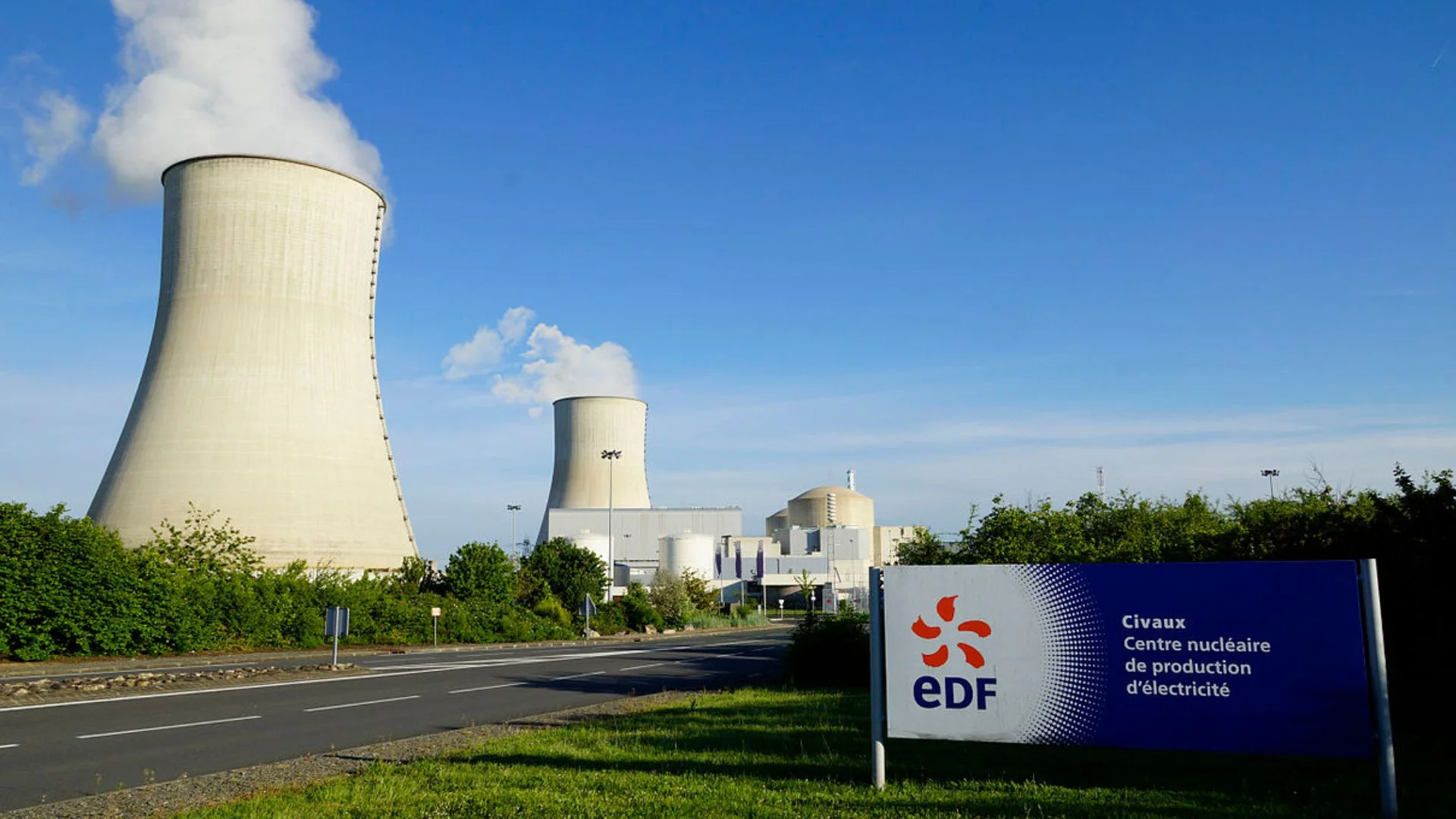
Two reactors were shut down at the Nogent-sur-Seine nuclear power plant, located on the Seine River north of Paris. Another reactor at the Bugey nuclear plant near Lyon on the Rhone River was also taken offline. Earlier in the week, EDF had already reduced output at Nogent-sur-Seine to limit the impact on river temperatures.
EDF must follow strict environmental regulations that protect fish, plants, and other wildlife living in rivers. Nuclear power stations draw in large amounts of river water to cool their reactors during electricity generation. The water is then returned to the river at a slightly higher temperature.
Under normal weather conditions, this increase remains within legal limits. During heatwaves, however, river water is already much warmer than usual. Releasing additional warm water can place additional stress on aquatic ecosystems, necessitating temporary shutdowns.
READ ALSO: MBDA’s FastTrack AI Plans Cruise Missile Strikes in Minutes, Transforming Battlefield Planning
Another reactor at the Golfech nuclear power plant on the Garonne River in southwestern France also stopped operating earlier this week. EDF has also reduced electricity production at several other nuclear sites across the country. These steps are being taken as temperatures continue to rise across much of France.
Nuclear Reactors Face Heat
France depends heavily on nuclear energy for its electricity supply. The country’s fleet of 57 nuclear reactors produced nearly 70 percent of France’s electricity last year. That makes France one of the world’s largest users of nuclear power for electricity generation.
Most nuclear power plants need a constant supply of water to remove excess heat from their reactors. Rivers are commonly used because they provide large volumes of cooling water year-round. If river temperatures become too high, cooling becomes less effective and environmental rules become harder to meet.
This challenge is more common as Europe experiences hotter summers. Heatwaves not only increase electricity demand because of air conditioning but also reduce the ability of some power plants to operate at full capacity. This creates additional pressure on energy systems during periods of extreme weather.
Despite the temporary reactor shutdowns, France’s electricity grid operator RTE says the country has enough electricity generation to meet demand. Officials stated that power supplies remain secure even if some generating units stay offline. This reduces the immediate risk of electricity shortages during the current heatwave.
Europe Faces Another Summer of Extreme Heat
France has placed more than half of its 96 departments under the highest red heat alert. Authorities have urged people to stay indoors during the hottest hours, avoid direct sunlight, and remain hydrated. The heatwave has already caused at least 18 confirmed deaths in France.
READ ALSO: US Army Secures Peak Alloy Ammo Technology to Push Higher Projectile Speeds
Officials have also reported at least 40 drowning deaths since 18 June. Many of these incidents happened as people tried to cool off in rivers, lakes, and coastal waters during the unusually hot weather. Emergency services continue to warn residents about the dangers of both extreme heat and unsafe swimming conditions.
The heatwave extends well beyond France. Germany, Spain, Portugal, and Switzerland are also facing exceptionally high temperatures. Schools have shortened classes or closed in some areas, while train operators in cities such as Paris and Brussels have reduced services to lower the risk of heat-related equipment failures.
Weather agencies expect temperatures in parts of the Mediterranean region to reach 43 degrees Celsius. This marks Europe’s third major heatwave of the year. Scientists say extreme heat events are becoming more frequent and lasting longer because of climate change.
WATCH ALSO: A new type of airless steel wheels can transform operations of heavy-duty mining trucks
Research shows that some parts of Europe now experience up to 40 more days of extreme heat stress compared with the 1970s. Heatwaves also increase electricity demand as homes and businesses rely more heavily on cooling systems. During last year’s summer heatwaves, daily electricity demand increased by as much as 14 percent, while average daily power prices rose between two and three times normal levels.
The latest reactor shutdowns show how rising temperatures are affecting both the environment and major infrastructure simultaneously.
France’s power system remains stable for now, but future summers are expected to place even greater pressure on energy networks and environmental protection efforts. How countries adapt their energy systems to more frequent heatwaves will play an important role in maintaining reliable electricity supplies in the years ahead.