A secret CIA mission in the Himalayas during the Cold War ended in mystery after a plutonium-powered surveillance device vanished on Nanda Devi in 1965 while monitoring China’s nuclear activity.
More than six decades later, the missing equipment continues to fuel environmental fears and unanswered questions in Uttarakhand’s mountain villages.
How CIA Lost a Nuclear Device on Nanda Devi
The story of the lost nuclear device on Nanda Devi began during one of the most tense periods of the Cold War. The US and India were deeply worried about China’s growing military strength. Both countries wanted better intelligence about Chinese nuclear and missile tests.
In 1964, China carried out its first nuclear explosion at Lop Nur in Xinjiang. The test alarmed Washington and New Delhi at a time when global tensions were already rising. The Vietnam War was intensifying, and intelligence agencies feared China’s rapid military progress.
READ ALSO: Chinese Engineers Blaze 22-Kilometer Path, Opening World’s Longest Expressway Tunnel
The CIA and India’s Intelligence Bureau soon started a secret partnership. Their goal was to monitor Chinese missile launches and nuclear experiments from the Himalayas. They planned to place a remote surveillance station on a mountain facing Tibet.
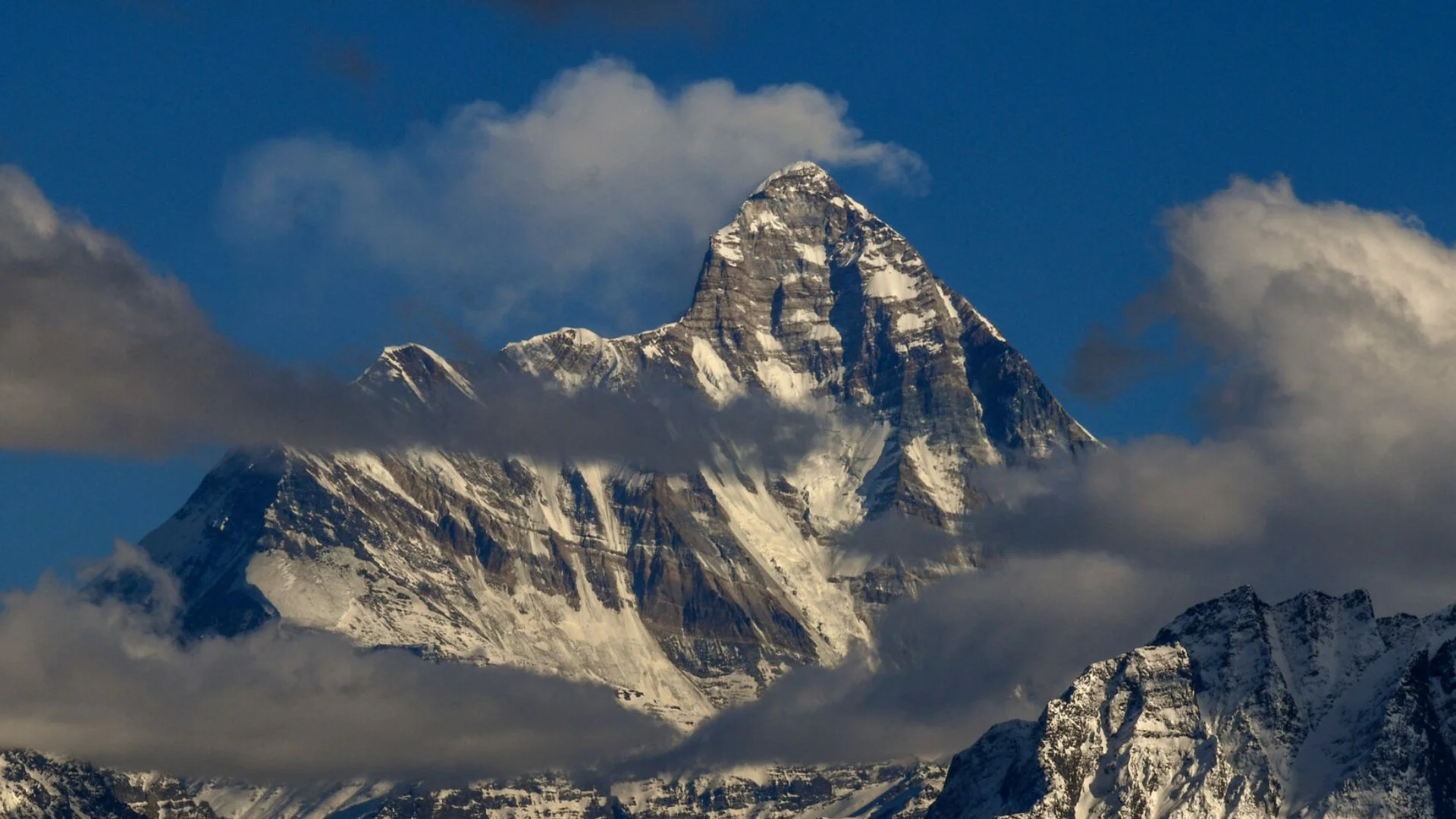
After reviewing several Himalayan peaks, planners selected Nanda Devi in Uttarakhand. The mountain stands at 7,816 meters and is India’s second-highest peak. Its location offered a clear line of sight to areas where China was conducting military tests.
The mission required advanced technology for that era. The surveillance system needed a steady power source that could survive extreme cold and isolation. For this reason, the CIA used a nuclear-powered generator called the SNAP-19C RTG.
A Radioisotope Thermoelectric Generator(RTG), creates electricity using heat from radioactive material. The generator used plutonium-238, a highly radioactive isotope that produces heat continuously for decades. Unlike bomb-grade plutonium, it was designed for power generation and space missions.
CIA and Indian Climbers Carried Plutonium Into the Himalayas
In October 1965, a joint Indian-American expedition began climbing Nanda Devi with the equipment. The Indian team was led by famous mountaineer Captain Manmohan Singh Kohli. American climbers with Himalayan experience also joined the operation.
The group carried an antenna system, radio equipment, and the nuclear generator. The equipment weighed around 57 kilograms. The plutonium generator itself contained seven radioactive capsules protected by metal shielding.
READ ALSO: NASA Picks Lunar Outpost’s Pegasus Rover for Artemis Moon Base Missions
Transporting the equipment through snow, ice, and steep terrain was extremely difficult. The climbers moved slowly through dangerous weather conditions at high altitude. Strong winds and low oxygen levels added to the challenge.
As the expedition approached higher camps near the summit, a major blizzard struck the mountain. Snowfall became intense, and visibility dropped sharply. Avalanche risks increased across the climbing route.
Captain Kohli decided the team could not continue safely. He later explained that staying on the mountain would have endangered many lives. The climbers secured the generator inside a rocky crevice and planned to return after winter.
The team carefully tied the equipment to the mountain with ropes and anchors. They believed the heavy device would remain stable until the next expedition. After securing the load, the climbers descended from the mountain.
When the expedition returned in 1966, the equipment had vanished completely. The antenna, generator, and plutonium capsules were all missing. There was no clear sign showing what had happened.
Indian and American teams launched several recovery operations afterward. Climbers searched glaciers and snowfields using radiation detectors. Despite repeated attempts, the missing device was never located.
Some experts believe an avalanche swept the generator deep into the glacier. Others think the heat from the radioactive unit slowly melted the surrounding ice, causing it to sink. Over the decades, glacial movement may have carried the device further downhill.
WATCH ALSO: A South Korean humanoid robot has performed Michael Jackson’s Moonwalk, leaving all viewers stunned
Why Uttarakhand Villages Still Fear Radioactive Contamination
The mystery returned to public discussion after devastating floods struck Uttarakhand’s Chamoli district in recent years. Residents of Raini village revived fears about the missing nuclear device buried in the mountains above them. Some villagers questioned whether the old equipment contributed to glacier instability.
Scientists rejected claims linking the floods directly to the plutonium generator. Experts pointed to climate change, glacier weakening, and fragile Himalayan geology as the main causes. Rising temperatures have increased the risk of glacier collapses across the region.
Still, local suspicion has remained strong for decades. Villagers worry that radioactive material could eventually leak into rivers flowing from the glacier. These rivers feed larger water systems connected to the Ganges basin.
Plutonium-238 has a half-life of around 88 years. This means it loses radioactivity very slowly and remains active for centuries. Even though the material was stored inside protective containers, fears continue because the device has never been recovered.
Environmental experts say the risk of immediate contamination remains low if the shielding stays intact. The generator was designed to survive severe impacts and harsh environments. Similar RTGs were later used safely in spacecraft and remote scientific stations.
WATCH ALSO: Researchers from German have developed a diving robot that can easily collect underwater waste
However, uncertainty continues because no one knows the exact location of the lost equipment. Small monitoring programs have reportedly tested water and soil samples from nearby areas over the years. Public information about long-term radiation studies remains limited.
The secrecy surrounding the mission also added to public distrust. For many years, the Indian government did not publicly discuss the operation. Most people learned about it only after American media reports appeared in the late 1970s.
The then Prime Minister Morarji Desai later confirmed in Parliament that India had cooperated with the CIA on the project. The revelation triggered protests outside the US Embassy in New Delhi. Demonstrators accused the CIA of risking India’s environment and water systems.
Cold War Espionage Changed Himalayan History
The Nanda Devi operation reflected the extreme methods used during the Cold War. Intelligence agencies around the world were competing to gather military information by any means possible. Remote mountains became part of the global spy network.
American climbers involved in the mission reportedly trained at CIA facilities before arriving in India. To avoid attention, some were told to pose as members of a scientific expedition. Porters helping carry the equipment were reportedly informed that the cargo contained valuable treasure.
Despite the failed mission on Nanda Devi, the operation did not end immediately. In 1967, intelligence teams installed another nuclear-powered monitoring station on nearby Nanda Kot. The second system worked for a limited period before heavy snowfall damaged operations.
When climbers later returned to recover the equipment, they found that the generator had melted a hollow chamber inside the snow. The heat from the plutonium created a cave-like space around the device. This time, the equipment was successfully removed from the mountain.
By the early 1970s, satellite technology made such dangerous missions unnecessary. Spy satellites could track missile activity without sending climbers into deadly conditions. The era of nuclear-powered Himalayan surveillance stations slowly came to an end.
Today, the lost Nanda Devi generator remains one of the strangest unresolved stories of the Cold War. Historians view it as an example of how global rivalry pushed nations into risky operations. Environmental groups see it as a warning about leaving hazardous technology in fragile ecosystems.
READ ALSO: Chinese Physicists Tackle Time’s Arrow, Proposing Why We Can’t Travel Back
The story also continues to shape public memory in Uttarakhand. Villagers living near the glaciers still connect floods and environmental changes to the missing device. Even after six decades, the mystery has never fully disappeared.
The frozen slopes of Nanda Devi still hide unanswered questions beneath layers of snow and moving ice. Advances in glacier monitoring and satellite mapping may one day reveal the generator’s location. Until then, the CIA’s lost plutonium device remains buried in one of the world’s most remote mountain regions.