The International Atomic Energy Agency (IAEA) has introduced a new interactive mapping tool that provides a detailed picture of the world’s used nuclear fuel inventory.
According to the agency, nuclear power plants worldwide have generated around 448,000 tonnes of used nuclear fuel, measured in terms of heavy metal. The tool allows users to explore data by country, region, and storage method.
The inventory shows that nearly three-quarters of the world’s used nuclear fuel remains in storage. The remaining quarter has been reprocessed to recover usable materials.
New IAEA Nuclear Fuel Map
Reprocessing helps reduce waste volumes and lowers the demand for newly mined uranium.
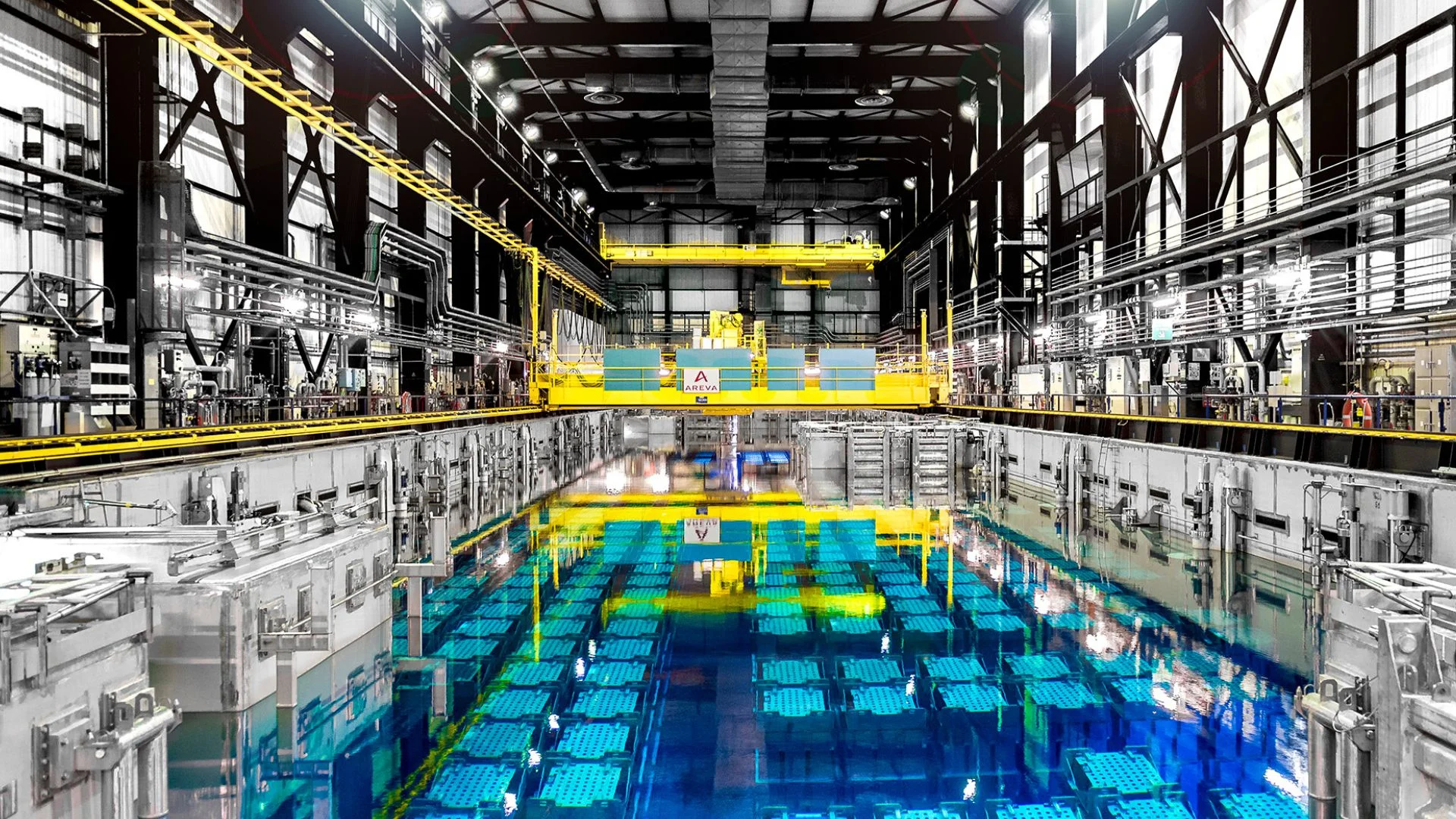
The IAEA reports that 41% of used nuclear fuel is stored in wet storage systems. These are mainly water-filled pools located at nuclear power plants or centralized storage facilities. The water cools the fuel and shields it from radiation after the fuel is removed from the reactors.
READ ALSO: China’s Space Solar Power Project Eyes Orbit After Successful Wireless Energy Tests
Another 31% of the world’s used nuclear fuel is stored in dry storage facilities. These systems include specially designed casks, buildings, and modular storage units. Dry storage is commonly used after fuel has cooled sufficiently in wet storage pools.
The figures come from countries that are parties to the Joint Convention on the Safety of Spent Fuel Management and on the Safety of Radioactive Waste Management. This international agreement serves as the main global framework for ensuring the safe handling and storage of spent nuclear fuel and radioactive waste. The data was submitted during the 2025 reporting cycle and supplemented with publicly available information.
The newly released inventory is the second edition of the IAEA’s Global Spent Nuclear Fuel Inventory. The first edition was published in 2019, but did not include an interactive mapping feature. The addition of the online tool gives policymakers, researchers, and the public easier access to global nuclear fuel data.
The report also highlights that approximately 126,000 tonnes of heavy metals have been reprocessed worldwide. Reprocessing extracts materials that can be reused to produce new nuclear fuel. This process supports more efficient use of nuclear resources while reducing the amount of material requiring long-term disposal.
Amparo Gonzalez Espartero, Technical Lead in the IAEA Division of Nuclear Fuel Cycle and Waste Technology, said the tool provides a structured view of global spent fuel inventories.
WATCH ALSO: Elon Musk’s Neuralink Robot Makes Brain-Computer Connection Possible
She explained that it helps technical analysis and supports informed discussions on future fuel management strategies. The platform also allows countries and stakeholders to compare storage practices and plan for long-term solutions.
The release of the inventory comes as many countries continue to rely on nuclear energy to support electricity generation and energy security goals. Managing used nuclear fuel remains one of the most important challenges facing the nuclear sector. Reliable global data can help governments make informed decisions on storage, recycling, and final disposal options.
As nuclear energy programs expand in several regions, the need for transparent and accurate information on spent fuel inventories is growing. The IAEA‘s new mapping tool offers a clearer understanding of existing stockpiles and storage methods. It is expected to play an important role in shaping future nuclear fuel management policies worldwide.