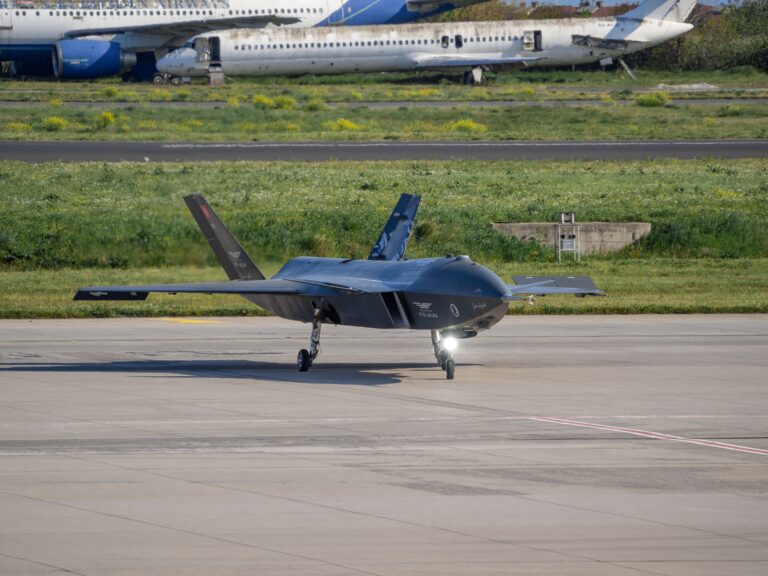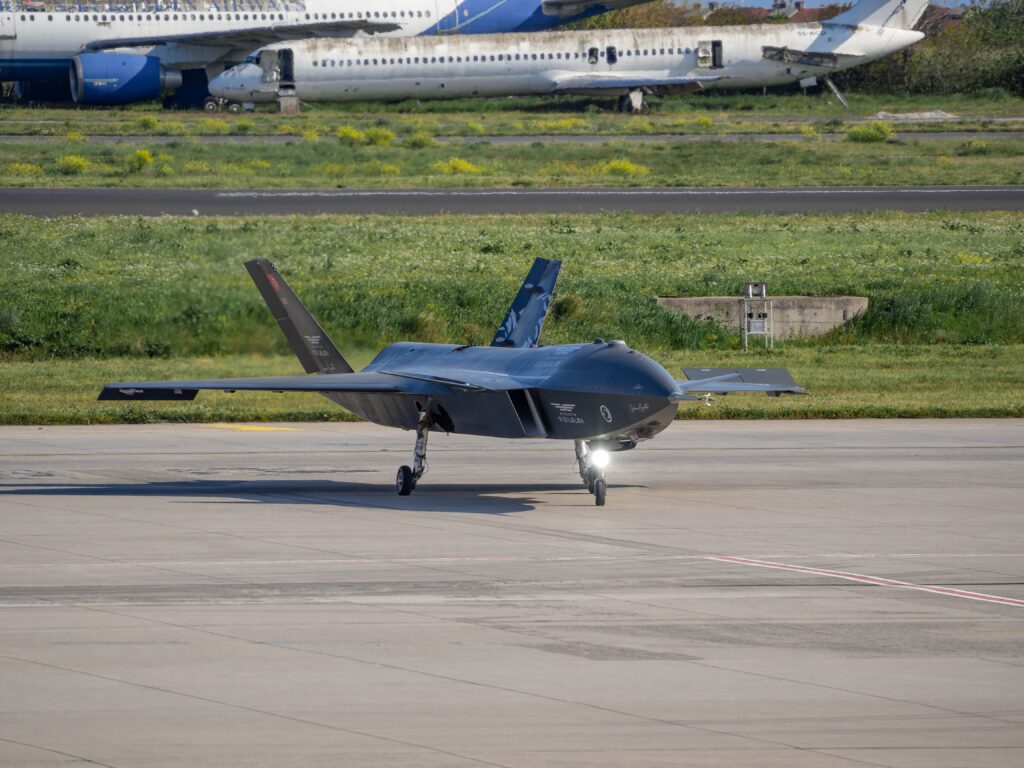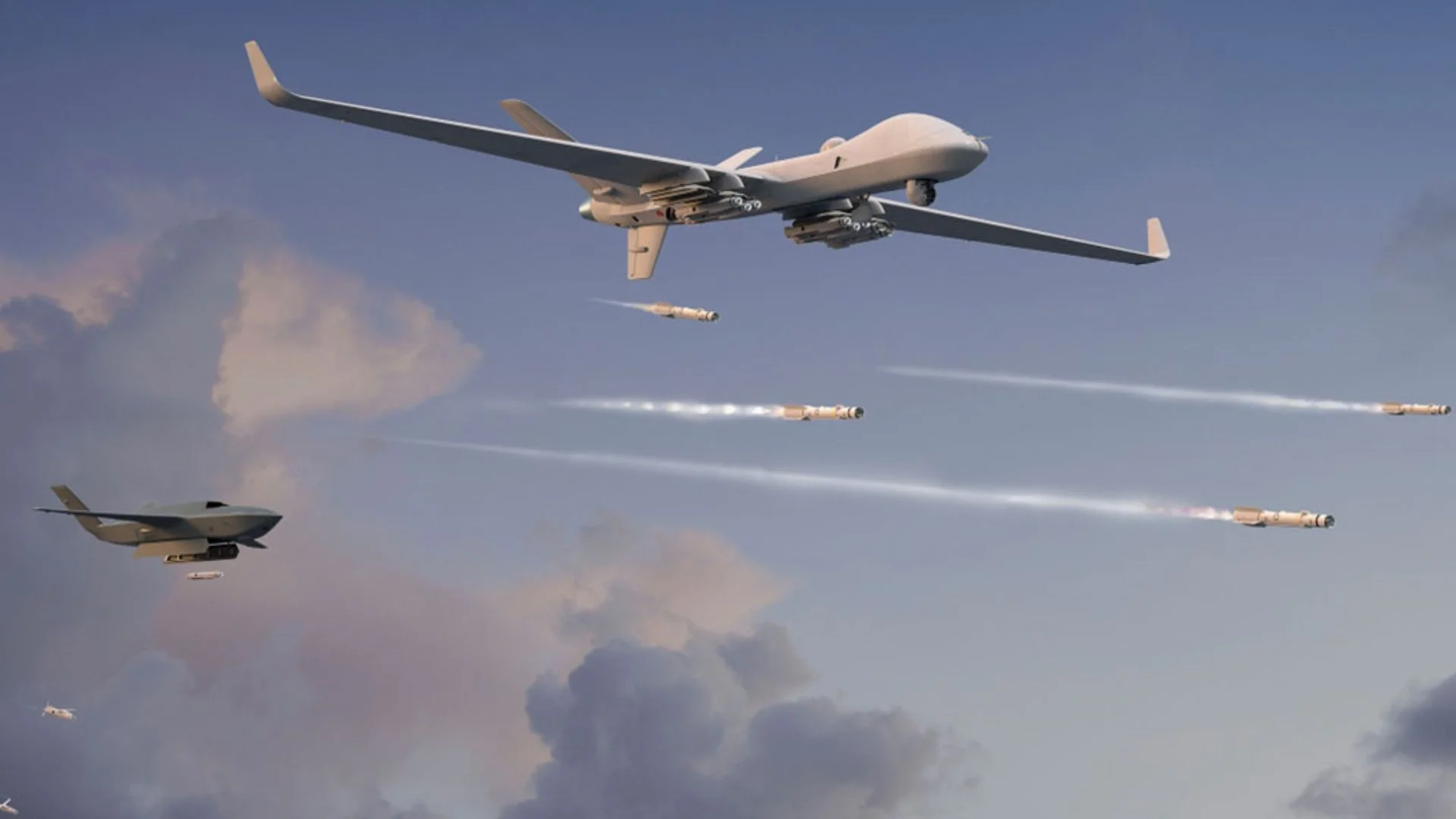
General Atomics Aeronautical Systems (GA-ASI) and MBDA have signed a memorandum of understanding to integrate MBDA’s SPEAR precision strike weapon onto the MQ-9B remotely piloted aircraft and the Gambit 6 collaborative combat aircraft.
The agreement was announced during the Farnborough International Airshow 2026. It builds on the companies’ earlier collaboration on integrating the Brimstone missile with the UK’s Protector aircraft.
GA-ASI President David R. Alexander said the companies have developed a strong working relationship through the Brimstone program.
He added that expanding the partnership to include SPEAR on the MQ-9B family and Gambit 6 is a natural next step. MBDA UK Managing Director Chris Allam said the cooperation reflects the long-standing relationship between the two companies.
Weapons Integration Planned
The MQ-9B is a long-endurance uncrewed aircraft designed for surveillance and precision strike missions. The Protector RG Mk1, operated by the UK Royal Air Force, is the British version of the MQ-9B. Adding the SPEAR missile will expand the aircraft’s ability to engage targets from long distances while keeping operators farther from enemy defenses.
MQ-9B Gains Strike Options
Gambit 6 is an uncrewed combat aircraft designed for missions such as electronic warfare, suppressing enemy air defenses, and carrying out precision strikes. Integrating SPEAR will give the aircraft another long-range attack option. The companies said combining the weapon with these platforms will provide militaries with a capability that can be introduced quickly.
GA-ASI Expands Strike Arsenal
SPEAR is a compact air-launched cruise missile developed by MBDA for precision attacks. It is designed to hit targets accurately while reducing unintended damage in surrounding areas. Its long range allows launch aircraft to remain beyond the reach of many hostile air defense systems.
READ ALSO: Iran’s Bladeless Wind Turbine Promises Seven Times More Energy From the Same Space
Compared with larger missiles, SPEAR’s smaller size allows aircraft to carry more weapons during a mission. This increases mission flexibility and enables multiple targets to be engaged in a single sortie. The missile is intended to address a wide range of battlefield threats.
Growing Global Interest
The MQ-9B platform is already in service or on order with nearly a dozen countries, including the UK, Germany, Denmark, Belgium, and Poland. Its expanding user base makes new weapons integration important for operators seeking greater mission flexibility. The agreement also highlights increasing international cooperation between defense manufacturers.
As military forces invest in advanced uncrewed aircraft, the demand for long-range precision weapons continues to grow. Integrating SPEAR with established and next-generation platforms supports that trend while offering customers additional operational options. The collaboration is expected to shape future upgrades for uncrewed combat systems as they take on more complex missions.