Cornell University scientists have proposed a method to transform agricultural leftovers into nutritious food using fungi. The approach could help feed a growing global population while reducing waste.
A team led by Ke Wang, assistant research professor of food science at Cornell AgriTech, published a review on February 11 in Trends in Food Science & Technology. The paper outlines an “emerging circular fungal biorefinery” system that converts low-value farm byproducts into high-protein foods through fungal fermentation.
The world faces a challenge. The global population is heading toward 10 billion people, and climate change is putting pressure on farmland. Finding new food sources has become urgent.
READ ALSO: https://modernmechanics24.com/post/world-first-quantum-inspired-robot/
The researchers say fungi offer a promising answer. Agricultural residues, fruit pomace from grape or apple processing, and other organic waste are rich in carbohydrates. Instead of throwing these materials away, they can serve as food for fungi.
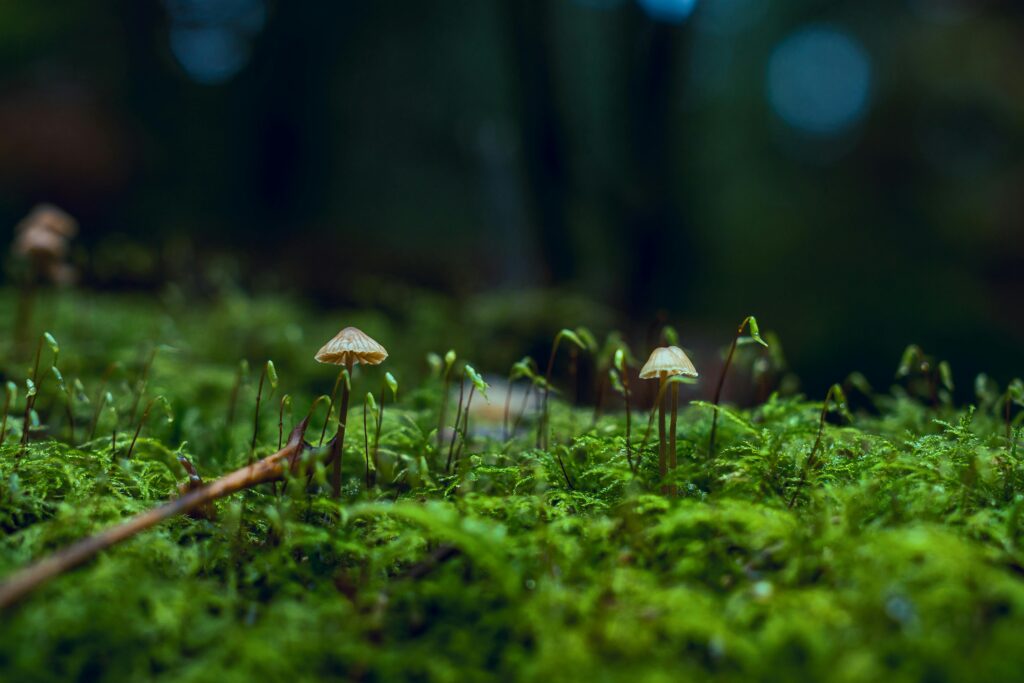
Fungi are highly efficient at turning plant biomass into protein. They naturally produce a fibrous root-like network called mycelium, which mimics the texture of muscle fibers. This gives them an advantage over many plant-based proteins that need heavy processing to feel like meat.
The process requires careful control. Factors like temperature, oxygen levels, and nutrient balance affect how well the fungi grow. Advanced techniques such as co-cultivation and genetic engineering could boost productivity and tailor fungi to produce specific nutrients.
Fungi are already familiar in foods like tempeh, miso, cheese, and Quorn meat substitute. The Cornell-led review sees a new phase where fungi become biological engines that transform waste into next-generation meat alternatives and functional foods.
WATCH ALSO: https://modernmechanics24.com/post/tesla-car-system-shows-instant-driving-decisions/
Krishna Kalyani Sahoo, first author and postdoctoral researcher, said the goal is to identify valuable products that can be extracted from waste streams in agriculture, food processing, and even households.
However, challenges remain. Growing edible fungi at scale is complex and can be expensive. Consumer perception is another hurdle. Some people associate fungi with mold or decay, and skepticism toward new food technologies can slow acceptance.
If successful, this approach fits into a circular bioeconomy where waste from one system becomes input for another. Regional waste streams could be converted into locally produced, high-value foods without competing with human food supplies.