Laser and microwave weapons are fast becoming powerful tools in the fight against drones.
When drone swarms and unauthorized drone flights increase worldwide, defense companies are racing to develop advanced counter-drone systems.
These next-generation weapons are often referred to as soft-kill systems. Unlike traditional missiles or guns, they do not rely on explosives. Instead, they use energy. This energy can silently disable or destroy unmanned aircraft systems within seconds.
Major defense companies such as Raytheon, Boeing, Northrop Grumman, Elbit Systems, and AeroVironment are investing in high-energy laser and microwave technologies. As drone threats are growing rapidly, the US and Europe are also increasing funding for them.
Federico Borsari, a defense expert with the Center for European Policy Analysis, says many countries are expanding their capabilities to counter drone threats. Law enforcement agencies across Europe are buying new equipment and training personnel to handle drone attacks. Drone swarms can overwhelm traditional air defenses. That is why new solutions are urgently needed.
How Laser Weapons Destroy Drones
Laser weapons operate in the optical domain. They fire highly focused beams of light at targets. These beams generate intense heat in milliseconds.
Dr. Andreas Schwer, CEO of Electro Optic Systems, explains how the system works. He says, “You physically burn a hole through the drone within milliseconds. The heat impact is extreme. It can cause the drone to catch fire or explode if it carries flammable material.”
READ ALSO: https://modernmechanics24.com/post/agilitys-digit-humanoids-in-toyota/
Laser weapons are very precise. They can target specific parts of a drone, such as wings, sensors, or propellers. This precision reduces the risk of collateral damage.
Weather plays an important role in laser performance. Schwer says, “The lower the temperature and the lower the air humidity, the better the laser weapon works. Cold and dry air, such as in Arctic regions, allows the laser beam to travel more efficiently.”
Electro Optic Systems claims its laser platforms can take down up to 30 drones per minute. That makes them highly effective against drone swarms.
There is growing interest in these weapons in the Navy. There is also strong demand to protect critical land infrastructure, such as airports, power plants, and military bases.
Laser weapons offer another advantage. They are silent. You do not see or hear the laser weapon. The drones just fall down. This makes them ideal for urban or sensitive areas, Schwer says.
How Microwave Weapons Disable Drone Swarms
Microwave weapons use a different method. Instead of burning drones, they disrupt their electronics.
Andy Lowery, CEO of Epirus Inc., says, “Laser systems are like a wizard shooting a lightning bolt. We create more of a fog spell. We make an interference field.”
WATCH: https://modernmechanics24.com/post/buildroid-ai-expands-robotics-platform/
Microwave systems generate powerful electromagnetic pulses. These pulses interfere directly with a drone’s internal electronics. The weapon does not rely on blocking external signals, such as GPS. Instead, it attacks the drone’s circuit boards.
Lowery adds, “We go right into the boards and into the electronics. The effect can be similar to a computer crashing with a blue screen of death. The drone suddenly loses function and drops from the sky.”
Microwave weapons are a narrow-band approach. This creates a concentrated wall of pulsing energy. Unlike lasers, which focus on a single target at a time, microwave systems can disable multiple drones over a wide area.
This makes microwave weapons particularly useful against large drone swarms. They can also affect other electronic systems, such as vehicle engines or boat motors, when required.
While Epirus works closely with the US military, the international demand is growing.
Why Energy Weapons Are Gaining Ground
Both laser and microwave systems offer key advantages. They are silent. They work at the speed of light. And they reduce the need for expensive missiles.
Traditional air defense systems can be costly when used against cheap drones. Using a missile costing thousands of dollars to destroy a low-cost drone is inefficient. Energy weapons provide a more cost-effective alternative over time.
READ ALSO: https://modernmechanics24.com/post/nano-qr-tech-future-of-data-storage/
However, energy weapons are not the only solution. Federico Borsari says kinetic drone interceptors will remain important in the near future. These are small drones designed to chase and destroy other drones.
He says drone interceptors are cost-effective and promising. But they require trained operators. Borsari says Ukraine is producing interceptor drones at scale but lacks enough trained personnel to operate them effectively.
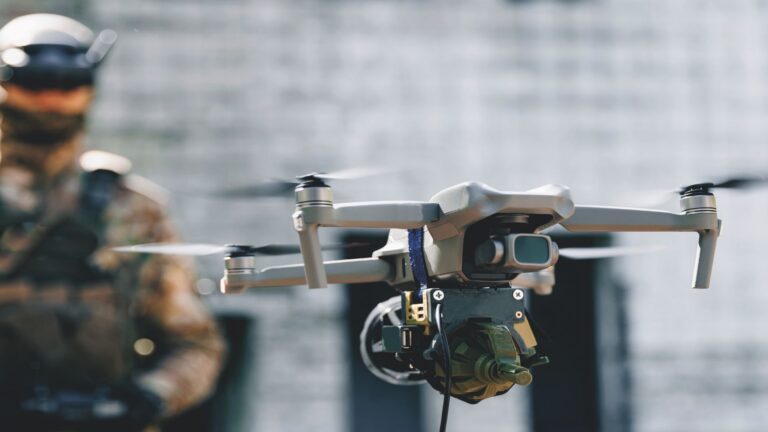
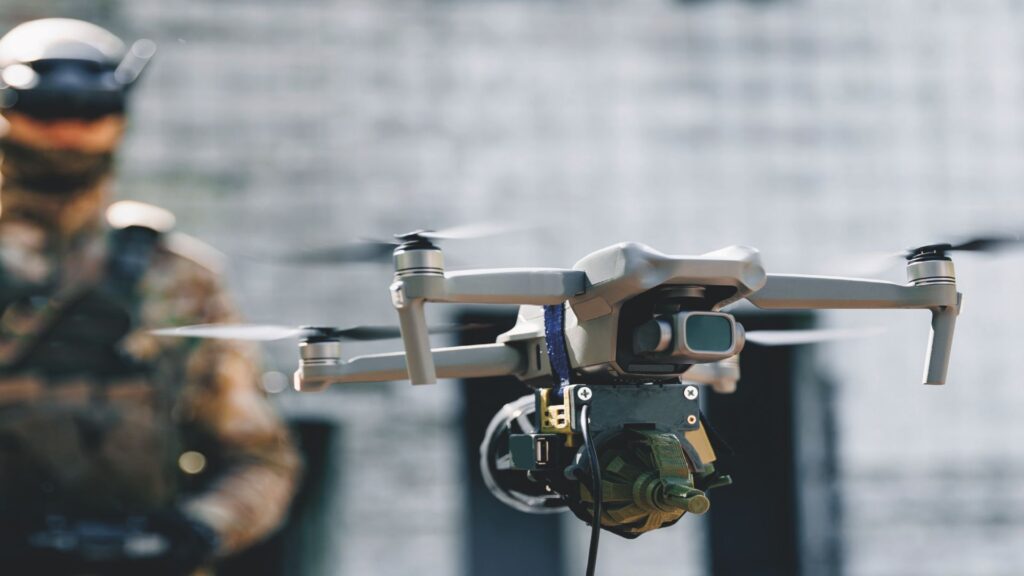
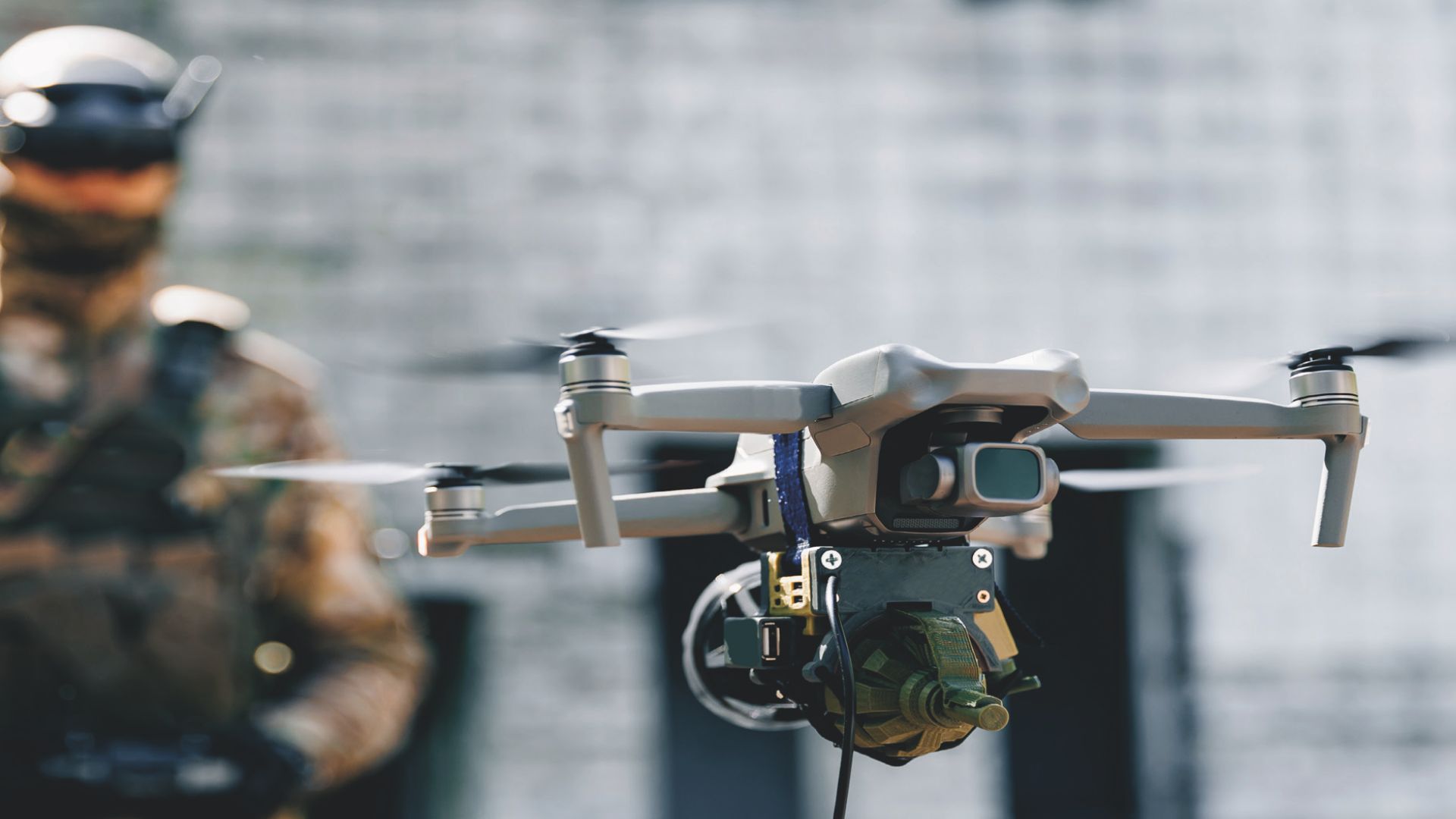
Drones have changed modern warfare and security planning. They are cheap, fast, and widely available. They can carry cameras, explosives, or surveillance equipment.
As threats increase, laser and microwave weapons are becoming essential parts of defense systems. Lasers act like precision swords. Microwaves act like protective shields. They can offer powerful tools to defend military bases, ships, airports, and critical infrastructure.
While challenges remain, the future of counter-drone defense clearly includes energy weapons. As technology improves, these silent drone killers may soon become standard equipment in modern security systems worldwide.