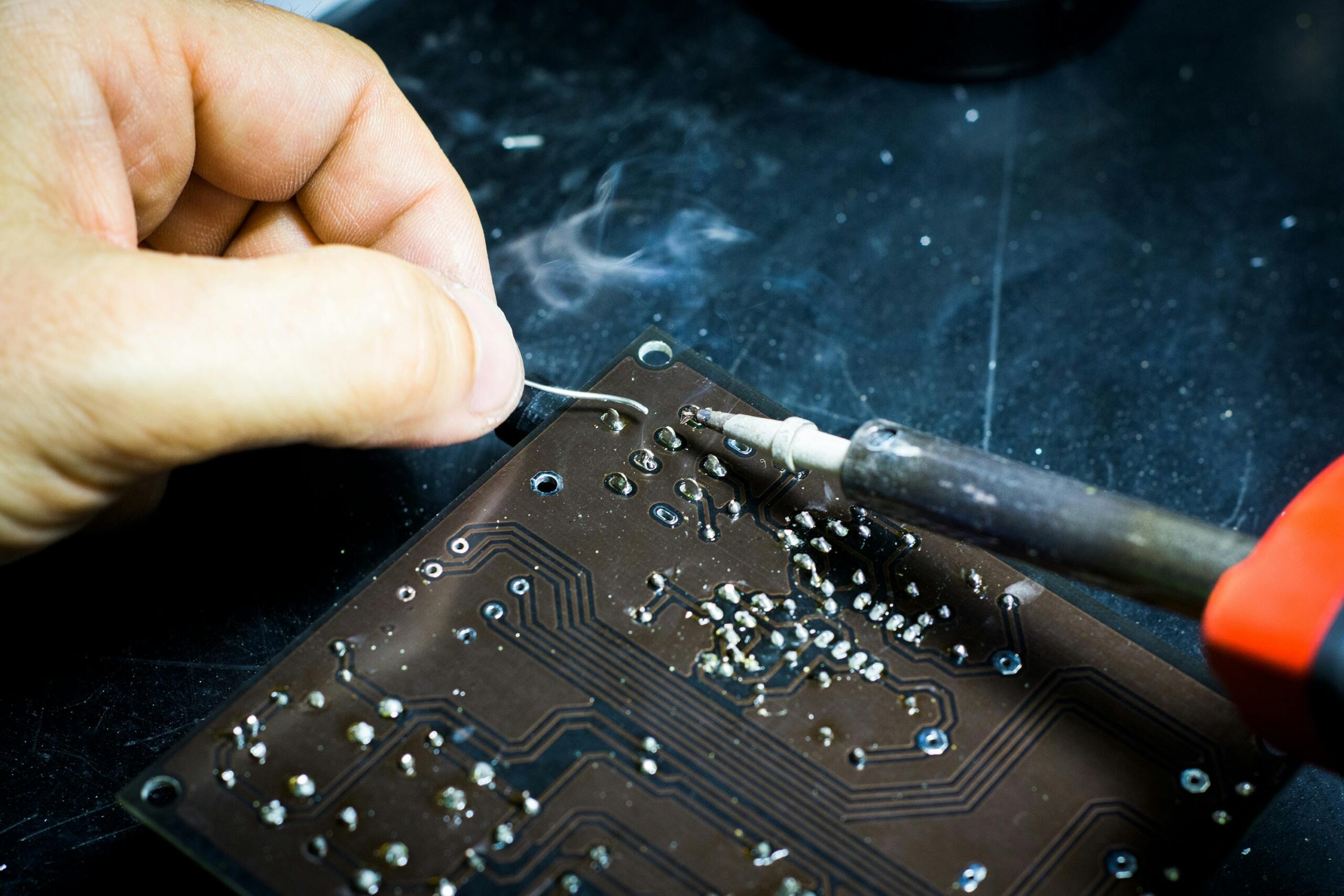
Taiwan Semiconductor Manufacturing Co (TSMC) has secured a crucial annual US export licence allowing it to import American chipmaking equipment into its Nanjing fabrication plant, safeguarding production of 16-nanometre chips and keeping deliveries flowing into 2026. The approval removes uncertainty after long-standing exemptions expired on December 31, ensuring continued operations at one of China’s most important foreign-owned semiconductor facilities.
The licence, granted by the US Department of Commerce, allows US export-controlled equipment to be supplied to TSMC Nanjing without requiring individual vendor approvals each time. In a statement to Reuters, TSMC, the world’s largest contract chipmaker headquartered in Hsinchu, Taiwan, said the approval “ensures uninterrupted fab operations and product deliveries.”
The decision matters because it clarifies how Washington plans to manage restrictions on advanced technology exports to China while avoiding sudden disruptions to global supply chains. For years, major Asian chipmakers operating in China benefited from special exemptions known as validated end-user status, which allowed them to import certain US tools despite broader export controls. According to Reuters, those exemptions expired at the end of 2025, forcing companies to seek formal licences for 2026 and beyond.
Alongside TSMC, South Korean giants Samsung Electronics and SK Hynix have also received similar annual licences. Their inclusion signals that the US is taking a case-by-case approach rather than applying a blanket ban on equipment shipments to foreign-owned fabs in China, Reuters reported.
At the heart of the issue is the balance between national security concerns and economic reality. The US has tightened semiconductor-related export controls in recent years as part of its strategy to stay ahead of China in advanced technology. Yet many of the fabs operated by foreign companies inside China focus on mature manufacturing processes rather than cutting-edge chips used in artificial intelligence or military systems.
That distinction applies directly to TSMC’s Nanjing plant, which produces 16-nanometre and other mature-node semiconductors. These chips are widely used in automotive electronics, industrial equipment, and consumer devices, not in the most advanced AI accelerators. TSMC also operates another fabrication facility in Shanghai, further underlining its long-standing manufacturing footprint in mainland China.
WATCH ALSO: https://modernmechanics24.com/post/chinese-company-new-humanlike-robot/
In its 2024 annual report, TSMC disclosed that the Nanjing fab accounted for about 2.4 per cent of its overall revenue. While that share may seem modest, the facility plays a strategic role in serving customers who rely on stable supplies of mature-node chips. Any disruption could ripple through industries far beyond the semiconductor sector, from cars to home appliances.
Images from August 6, 2025, show the scale of the Nanjing production complex, a reminder that chipmaking is not easily or quickly relocated. Building and qualifying a new fab can take years and cost tens of billions of dollars. That reality helps explain why the US opted for licences rather than forcing an abrupt halt to tool shipments, according to analysts cited by Reuters.
For TSMC, the licence removes a looming operational risk just as global demand for semiconductors stabilizes after a volatile period. For Washington, it preserves leverage over advanced technologies while avoiding supply shocks that could hurt US and allied companies downstream.
READ ALSO: https://modernmechanics24.com/post/china-builds-super-cold-air-battery/
The move also highlights a more nuanced phase of US-China tech competition. Restrictions remain firmly in place for leading-edge manufacturing and advanced equipment, but mature-node production appears set to continue under close supervision. As Reuters noted, the annual nature of the licence means approvals can be revisited, keeping pressure on companies while maintaining day-to-day stability.
In practical terms, the message is clear: geopolitics now shapes the semiconductor industry as much as engineering does. For TSMC, securing this licence ensures that, at least for the coming year, its Nanjing fab can keep running without interruption.