

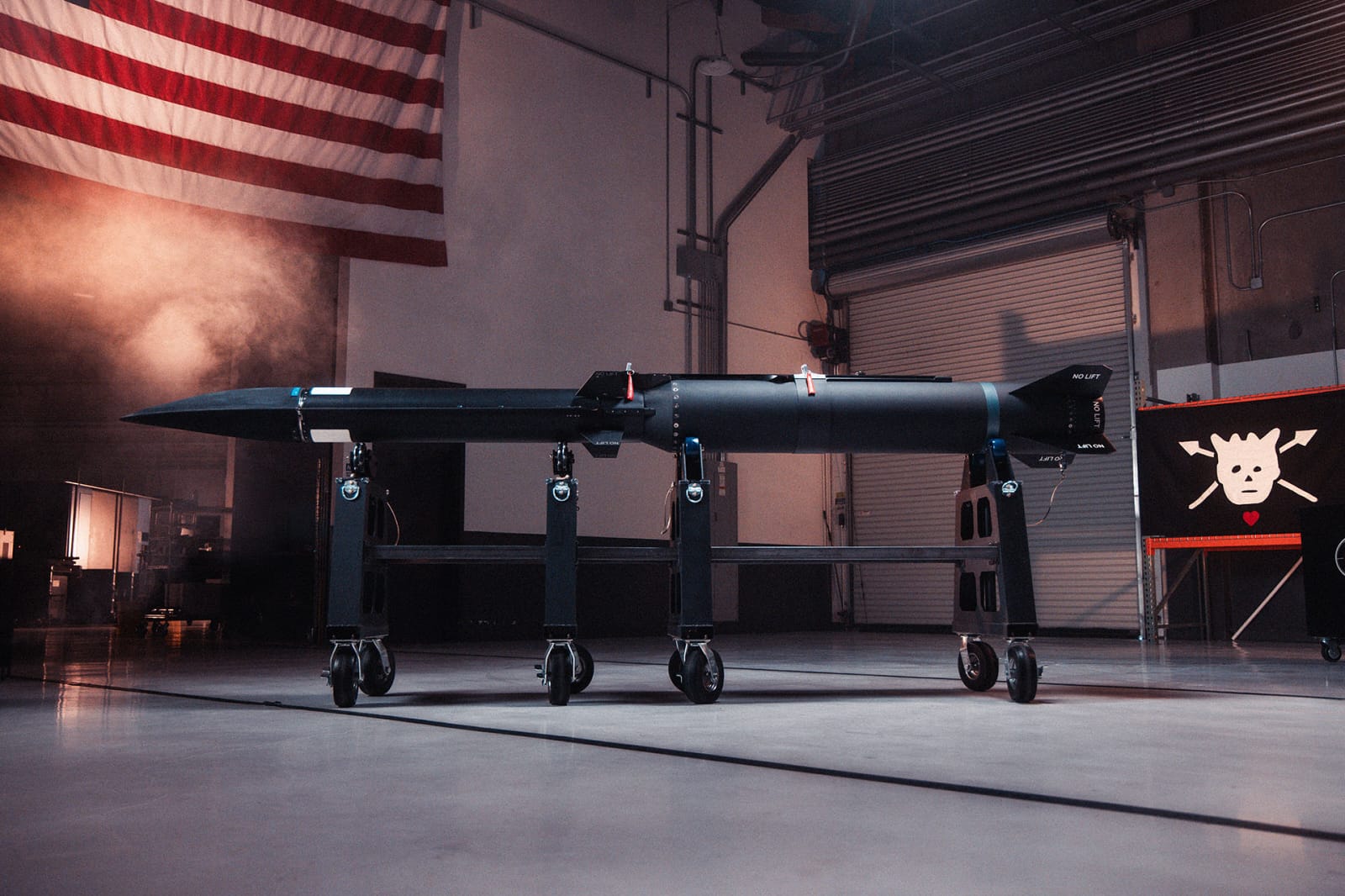
The US Navy is moving Castelion’s Blackbeard hypersonic strike weapon into production under a delivery order worth up to $200 million.
The latest award marks a new stage for the air-launched weapon after the Navy ordered 50 Early Operational Capability (EOC) weapons earlier this year.
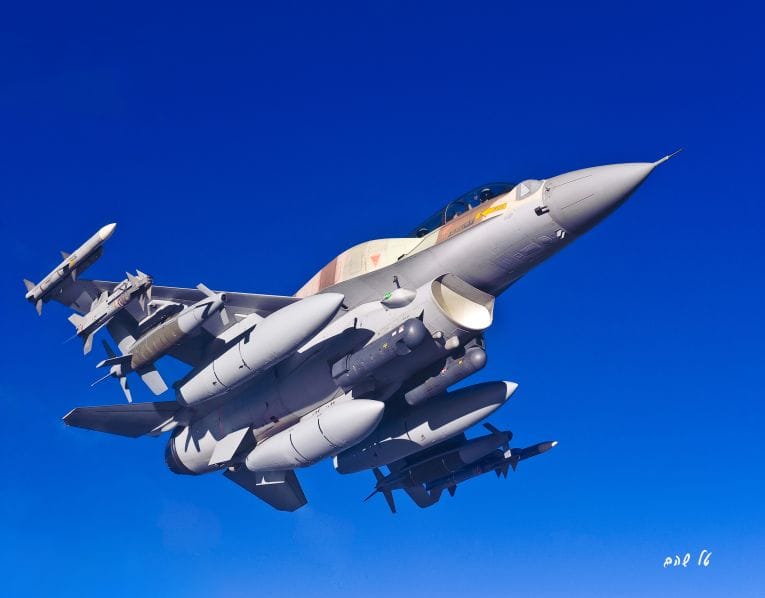
Blackbeard is being developed for carrier aviation and is planned for integration with the F/A-18E/F Super Hornet, with initial operational capability targeted for 2027.
The order was announced by Castelion on September 14, 2026. It covers the manufacture, assembly, testing and delivery of an initial production lot, although the Navy and Castelion have not disclosed the exact number of weapons included. The award was issued through Portfolio Acquisition Executive Aviation, known as PAE(A), and its Future Capability Development and Integration Aviation Rapid Capabilities Cell.
READ ALSO: https://modernmechanics24.com/post/ai-3d-printer-defect-detection/
From Prototypes To Production
Blackbeard’s move into production follows a series of Navy contracts that have rapidly expanded the program. On June 16, Castelion announced a $23.4 million firm-fixed-price order for 50 EOC pre-production weapons, along with storage and shipping containers. Those weapons are intended to support the Navy’s transition from development work toward an operational capability.
A separate Navy award worth $89.997 million was announced in August. That contract supports engineering, logistics and manufacturing activities for the 50 EOC weapons and work linked to Blackbeard’s transition toward a Navy Program of Record. The latest production order therefore builds on several contracts rather than starting a separate development effort.
The Navy’s use of rapid acquisition structures is also part of the program’s development path. PAE(A) was established in May 2026 to speed up capability delivery across naval aviation, while its rapid-capabilities elements are intended to move selected technologies toward operational use faster. Blackbeard is among the programs being handled through this approach.
A Hypersonic Weapon For Carriers
Blackbeard is an air-launched hypersonic strike weapon designed for attacks against maritime and land targets.
Hypersonic weapons travel at speeds above Mach 5, or more than five times the speed of sound, giving them less time to be detected and engaged than many slower weapons. Blackbeard is being developed around the requirements of carrier-based naval aviation.
The weapon is being integrated with the F/A-18E/F Super Hornet, one of the main strike aircraft operated from US aircraft carriers. In April 2026, Castelion announced a $105 million Navy contract covering further Blackbeard integration, including system-safety certification, flight testing and work related to carrier operations. The company said that effort supports a target of reaching EOC in 2027.
Range is an important part of the system’s intended role. A longer-range weapon allows an aircraft to attack targets from greater distances, reducing the need for the aircraft itself to approach heavily defended areas. Castelion also says Blackbeard is designed to increase magazine depth, meaning naval forces would have more weapons available for repeated strike missions.
WATCH ALSO: https://modernmechanics24.com/post/china-phl03-rocket-long-range-firepower/
Building For Larger Production
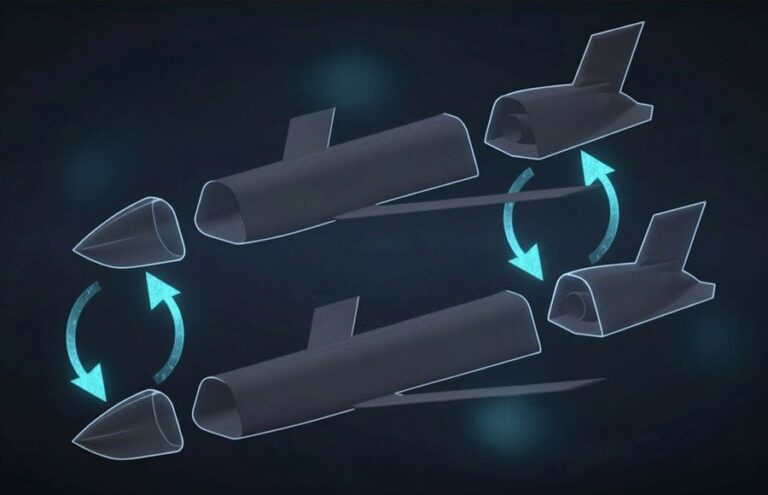
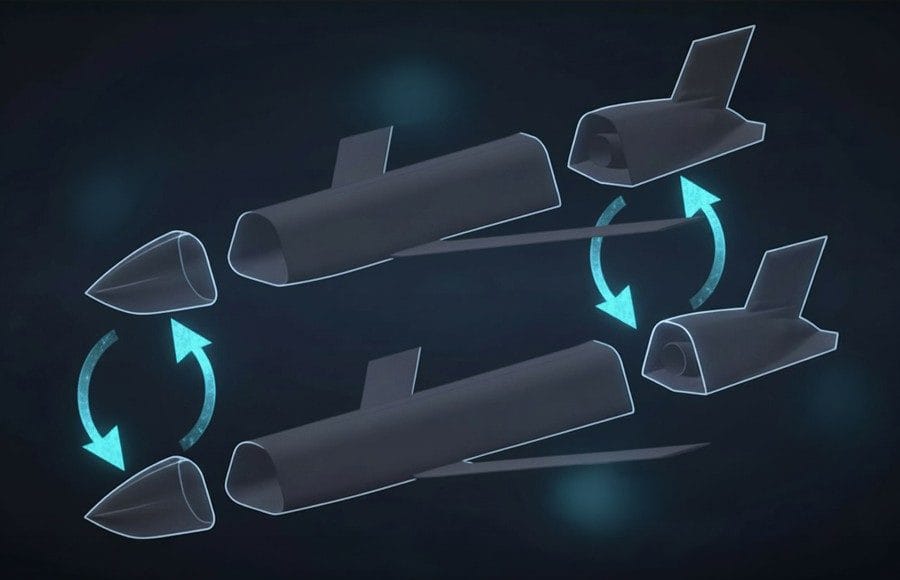
Castelion is developing Blackbeard with manufacturing scale in mind. The company says it is using vertically integrated production and commercial manufacturing methods to control processes from materials through completed weapons. This approach is intended to support production speed, cost control and repeated testing as the system develops.
Much of the manufacturing work is planned at Project Ranger, Castelion’s 1,000-acre facility in Rio Rancho, New Mexico. Work will also take place at the company’s facility in Torrance, California. The two locations form part of Castelion’s wider effort to establish domestic production capacity for hypersonic systems.
In May, Castelion announced a production framework that provides for a guaranteed minimum of 500 Blackbeard missiles each year after testing and validation are completed. The framework also provides a path toward procurement of thousands of additional weapons. That plan is separate from the latest Navy order, whose production quantity has not been released.
The focus on manufacturing reflects a wider issue in hypersonic weapons development. Building a small number of advanced weapons is different from producing them in quantities that support regular military operations. Castelion has positioned Blackbeard around commercial production methods and continuous flight testing as it works toward larger-scale output.
Testing, Allies And Future Use
The Blackbeard program also includes provisions related to possible future foreign use. The August Navy award includes work on Defense Exportability Features, which are designed to make a system easier to provide to approved US allies and partners. No foreign customer or export approval was identified in the information released with the program.
For the US Navy, the immediate focus remains the weapon’s development, testing and integration with carrier aircraft. The production award moves the program beyond the earlier EOC stage and provides a path toward weapons intended for fleet use. The 2027 operational target will depend on continued testing, certification and integration work.
The latest award also gives a clearer view of the industrial model behind Blackbeard. Castelion is combining private investment, rapid development, flight testing and dedicated manufacturing facilities while working through the US Navy’s accelerated acquisition structure. The approach is intended to shorten the time between weapon development and larger-scale production.
READ ALSO: https://modernmechanics24.com/post/beijing-robot-kindergarten-self-robot/
Blackbeard’s progress comes as the US continues developing longer-range conventional strike systems for its armed forces.
Carrier aircraft traditionally rely on a mix of guided bombs, cruise missiles and other air-launched weapons, while hypersonic systems add a high-speed option designed for targets at longer distances. The Navy’s planned integration of Blackbeard with the Super Hornet therefore links a new weapon technology with an existing carrier aircraft fleet.
The recent order is the next major step in that process. Its value of up to $200 million covers production work, while the final number of weapons remains undisclosed. Further testing and the planned 2027 EOC milestone will determine how Blackbeard moves from production into operational service with the US Navy.












One Response