

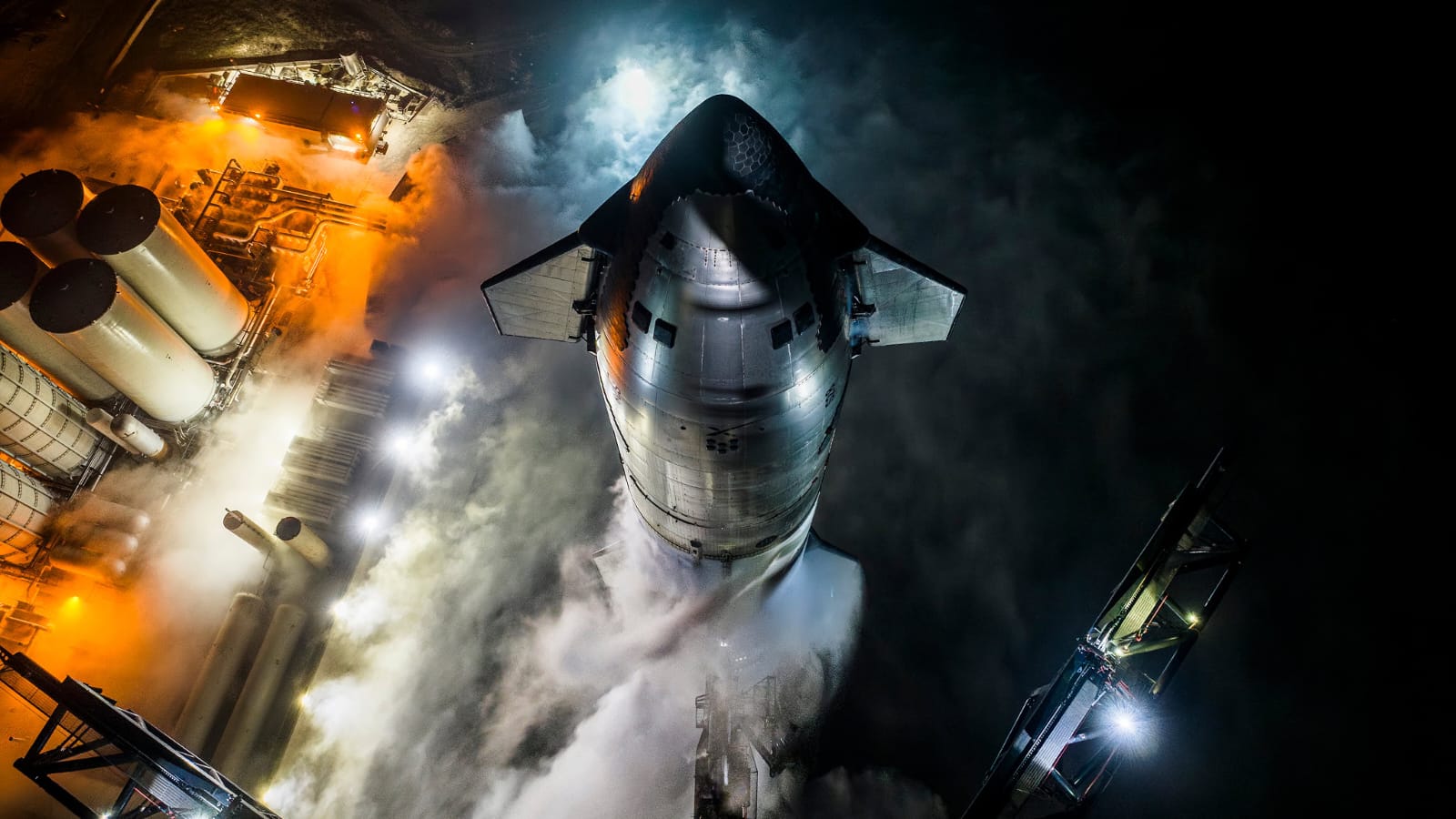
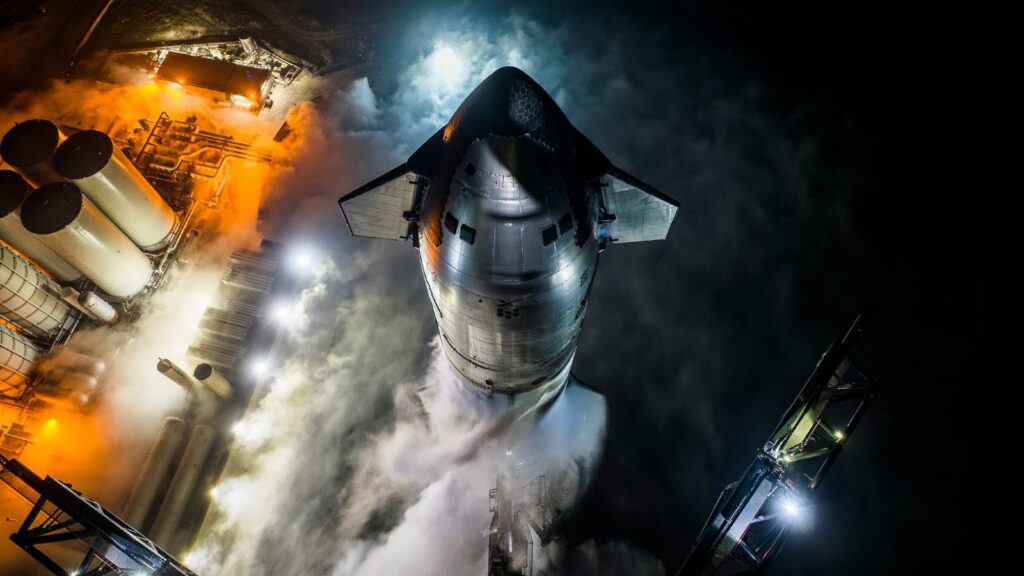
SpaceX is preparing to launch its Starship rocket on September 22 in a test that will attempt to place the vehicle’s upper stage into Earth orbit for the first time.
The flight is also set to deploy 26 third-generation Starlink satellites, giving the mission a practical payload alongside its main test objectives. The launch marks another step in SpaceX’s effort to make Starship a reusable system for large-scale space missions.
The 14th Starship test flight is scheduled for September 22, with a 75-minute launch window opening at 7:15 a.m. Central Time.
SpaceX announced the schedule on Tuesday as it prepares the vehicle for a mission that will test its ability to complete an orbital flight. The company has not previously sent the Starship upper stage around Earth and returned it from orbit.
The mission will carry 26 V3 Starlink satellites, which are part of the company’s next-generation internet satellite system.
READ ALSO: https://modernmechanics24.com/post/blackbeard-hypersonic-missile-us-navy/
Unlike the Starlink satellites used on the previous Starship test, these spacecraft are intended to become part of the operational Starlink network. Their deployment will therefore test both Starship’s launch capability and its ability to deliver payloads for SpaceX’s satellite business.
Starlink V3 satellites are designed to provide greater capacity than earlier generations, supporting SpaceX’s expanding broadband network.
The company has been building the network toward a constellation of about 10,000 internet satellites. Using Starship for these launches would give SpaceX a vehicle capable of carrying larger payloads than its existing Falcon rockets.
Lessons From Earlier Flight
The September mission follows Starship’s 13th test flight in July. During that flight, SpaceX successfully demonstrated the deployment of V3 Starlink satellites, but those spacecraft were used to test the deployment system and later burned up in Earth’s atmosphere. The upper stage also completed most of its planned flight before making a simulated landing in the Indian Ocean.
The upper stage survived its landing attempt and tipped over in the water without exploding. SpaceX was then able to recover and slowly tow the vehicle back to its Texas facilities for inspection. Engineers used information from that recovery to make further changes before the next flight.
SpaceX has also modified the vehicle’s heat shield for Flight 14. The heat shield protects Starship as it passes through the atmosphere at very high speed during its return to Earth. The company said the changes were based on what engineers learned from examining the vehicle recovered after Flight 13.
Booster Faces More Changes
The Super Heavy booster will also receive another round of changes before the launch. SpaceX said it made several hardware and software modifications to address problems seen during the previous flight. The booster had trouble relighting its engines after separating from the upper stage on Flight 13.
WATCH ALSO: https://modernmechanics24.com/post/xpeng-iron-robot-more-human-like/
SpaceX will not attempt to catch the Super Heavy booster during this mission. The company has used its launch tower to catch returning boosters on earlier tests, but recent difficulties have led engineers to focus on addressing the booster’s problems before attempting another catch. The approach allows Flight 14 to concentrate on the upper stage’s orbital objectives.
The company has also dropped plans to catch the Starship upper stage with the launch tower during this flight. Chief Executive Elon Musk recently said an accident during such an attempt would create too large a setback at this stage of the program. The upper stage will therefore be tested for orbital flight without an immediate tower catch attempt.
Starship’s Larger Role
The flight also has a business dimension for SpaceX. If the 26 V3 Starlink satellites are successfully deployed as planned, the mission would be the first Starship launch to generate revenue for SpaceX’s launch operation, although the customer would be another division of the same company.
Starship is central to SpaceX’s longer-term plans for replacing its Falcon 9 and Falcon Heavy rockets.
Musk has said the company intends to move away from those vehicles once Starship can fly reliably several times a week. Such a shift would require the spacecraft and booster to reach orbit, return safely and be prepared for repeated launches with short turnaround times.
The latest flight tests are only part of that larger goal. Reaching orbit would provide a new demonstration of Starship’s capabilities, while the later stages of the program will need to prove reliable recovery and rapid reuse.






One Response