

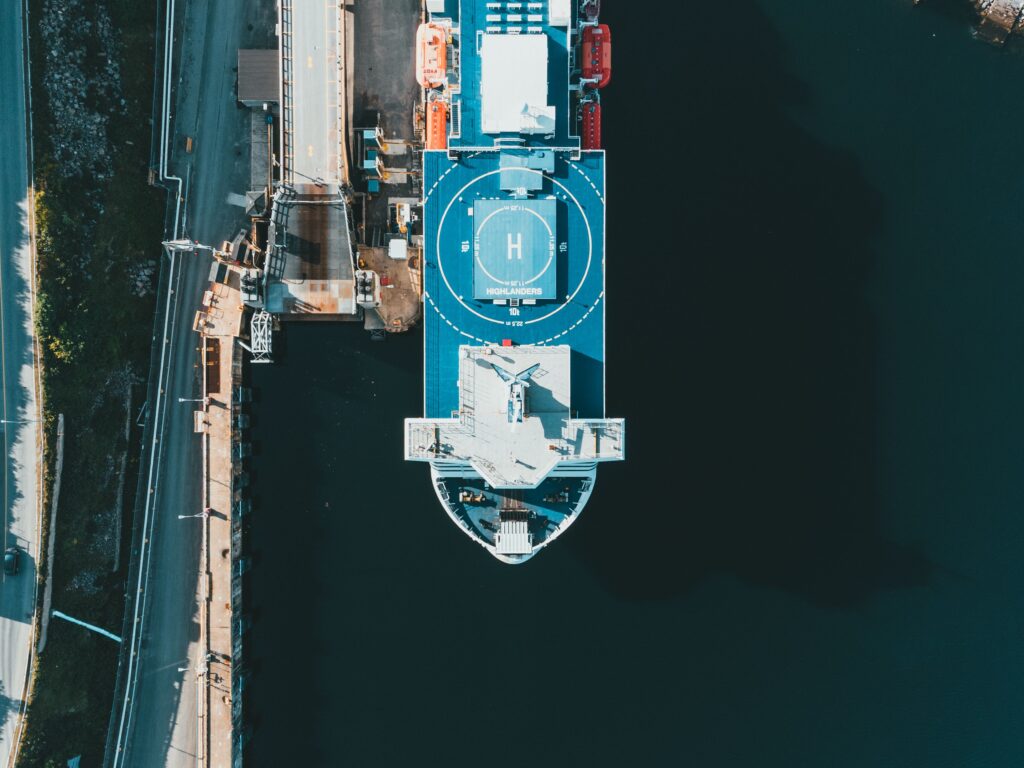
HII has completed the structural build of its first ROMULUS 151 unmanned surface vessel hull. The milestone moves the company closer to producing autonomous ships at a larger scale for the U.S. military and allied forces.
HII built the hull with Breaux Brothers Enterprises in New Iberia, Louisiana. The companies completed the hull and successfully flipped it, clearing the way for the installation of the deck and pilothouse.
The work is part of HII’s effort to expand production of unmanned surface vessels. Four additional ROMULUS 151 hulls are already under construction in Louisiana, showing that production is moving beyond a single prototype.
READ ALSO: https://modernmechanics24.com/post/general-atomics-wildfire-drone/
The ROMULUS 151 is powered by HII’s Odyssey Advanced Autonomy Solutions. Its modular design allows the vessel to support different missions, including intelligence, surveillance and reconnaissance, mine countermeasures, strike operations and counter-drone defense.
The vessel can also work as a mothership for unmanned aircraft and underwater vehicles. This allows one ship to launch and recover other autonomous systems during missions.
According to The Defense Post, the ROMULUS 151 is 151 feet (46 meters) long and can reach speeds above 25 knots. It has an estimated range of about 2,500 nautical miles, or roughly 4,630 kilometers.
The first hull is not yet a completed operational vessel. HII still needs to install the deck, pilothouse and other systems before the ship can move into later stages of testing and deployment.
The growing production effort could give the U.S. Navy and Marine Corps more options for using unmanned vessels in future operations. HII also says the ROMULUS family is being developed for international allies, making scalable production an important part of the program.
WATCH ALSO: https://modernmechanics24.com/post/black-hawk-ai-hunter-killer-drone/
The Defense Post reported that three of the four additional hulls are being built by Breaux Brothers, while another is under construction at Halimar Shipyard in Morgan City, Louisiana.
The ROMULUS program shows how naval forces are expanding the use of autonomous platforms beyond aircraft. If production continues to scale, these vessels could support missions that require long-range operations without putting a crew directly onboard.





One Response