

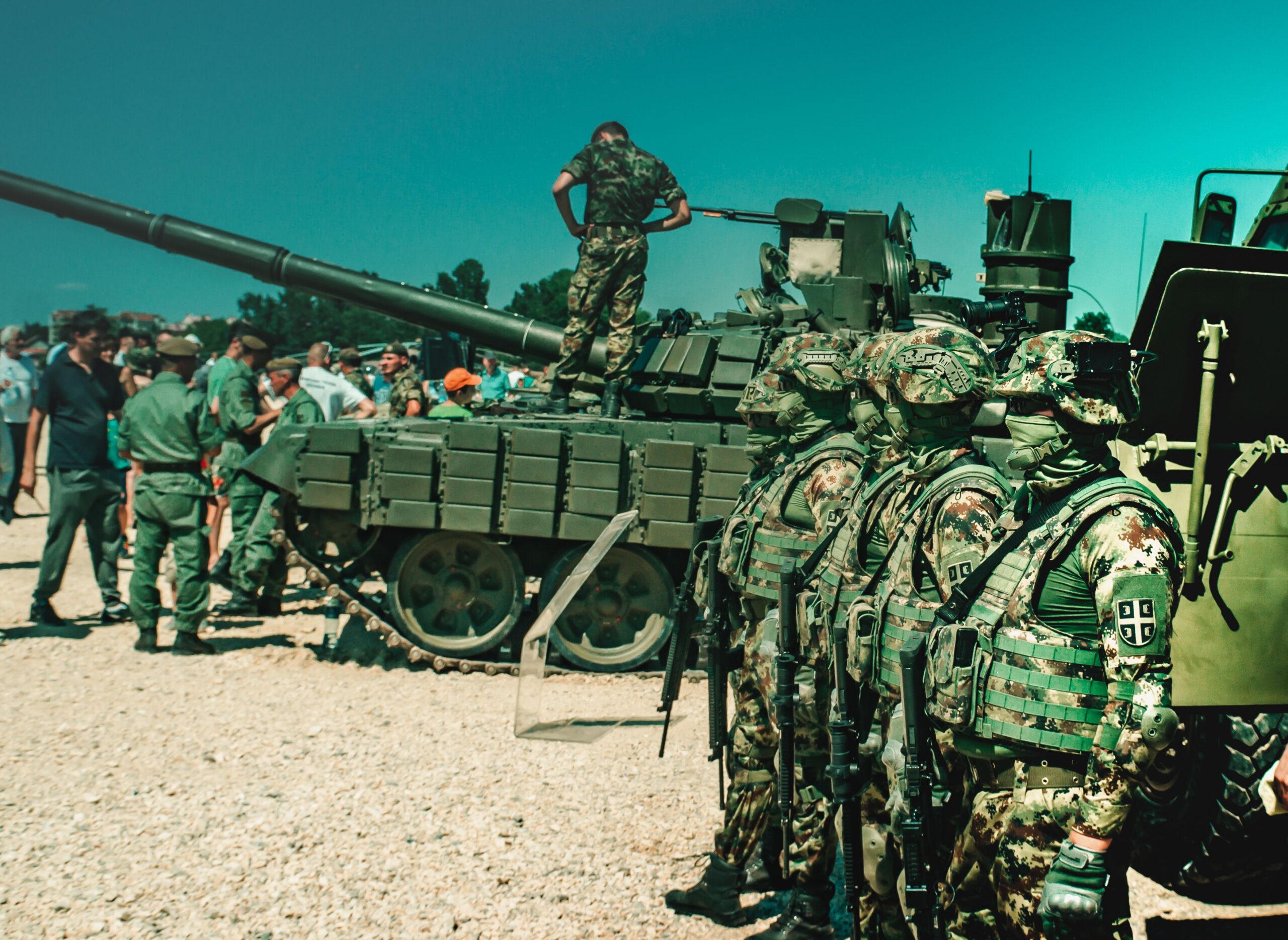
The U.S. Army has tested tethered drones mounted on Infantry Squad Vehicles to provide persistent aerial surveillance and communications. The trials examined whether these drones can keep working while vehicles move through difficult terrain and under electronic jamming.
The Army’s Maneuver Battle Lab conducted the tests at Fort Benning, Georgia, from July 27 to August 7, 2026. Two commercial tethered unmanned aircraft systems were integrated with an Infantry Squad Vehicle-Utility (ISV-U).
The main problem is that hills, buildings, trees and other obstacles can block radio signals and limit what ground sensors can see. Electronic jamming can make the situation worse by disrupting the radio links used by conventional drones and military communications systems.
READ ALSO: https://modernmechanics24.com/post/figure-nscale-nvidia-gpus-humanoid-ai/
A tethered drone works differently from a standard battery-powered drone. A physical cable connects the aircraft to the vehicle, providing continuous power and carrying data between the drone and the ground system.
This allows the drone to remain in the air for much longer than a typical small drone. It can also carry cameras or communications equipment higher above the ground, helping Soldiers see farther and extend radio links over obstacles.
During the Fort Benning assessment, Soldiers tested launch and recovery, stationary operations, emergency procedures and an on-the-move follow mode. The drone was able to stay above the moving ISV-U while helping relay communications and detect targets from greater distances.
The Army is now assessing the results, including system performance, workload and equipment size. The tests will help determine whether tethered drones should move beyond experimentation and become an official Army program.
The technology has some limits. The vehicle must carry the drone, tether reel, control equipment, payload and power systems, while operators must also manage the cable during movement. Weather, terrain and the physical length of the tether can also affect where the aircraft can operate.
WATCH ALSO: https://modernmechanics24.com/post/humanoid-robot-take-over-warehouse-jobs/
The test matters because it combines ISR (intelligence, surveillance and reconnaissance) with communications in a mobile system. If the Army adopts the capability, tethered drones could give moving units a persistent elevated sensor and communications relay without relying entirely on vulnerable radio links or fixed ground towers.







One Response