

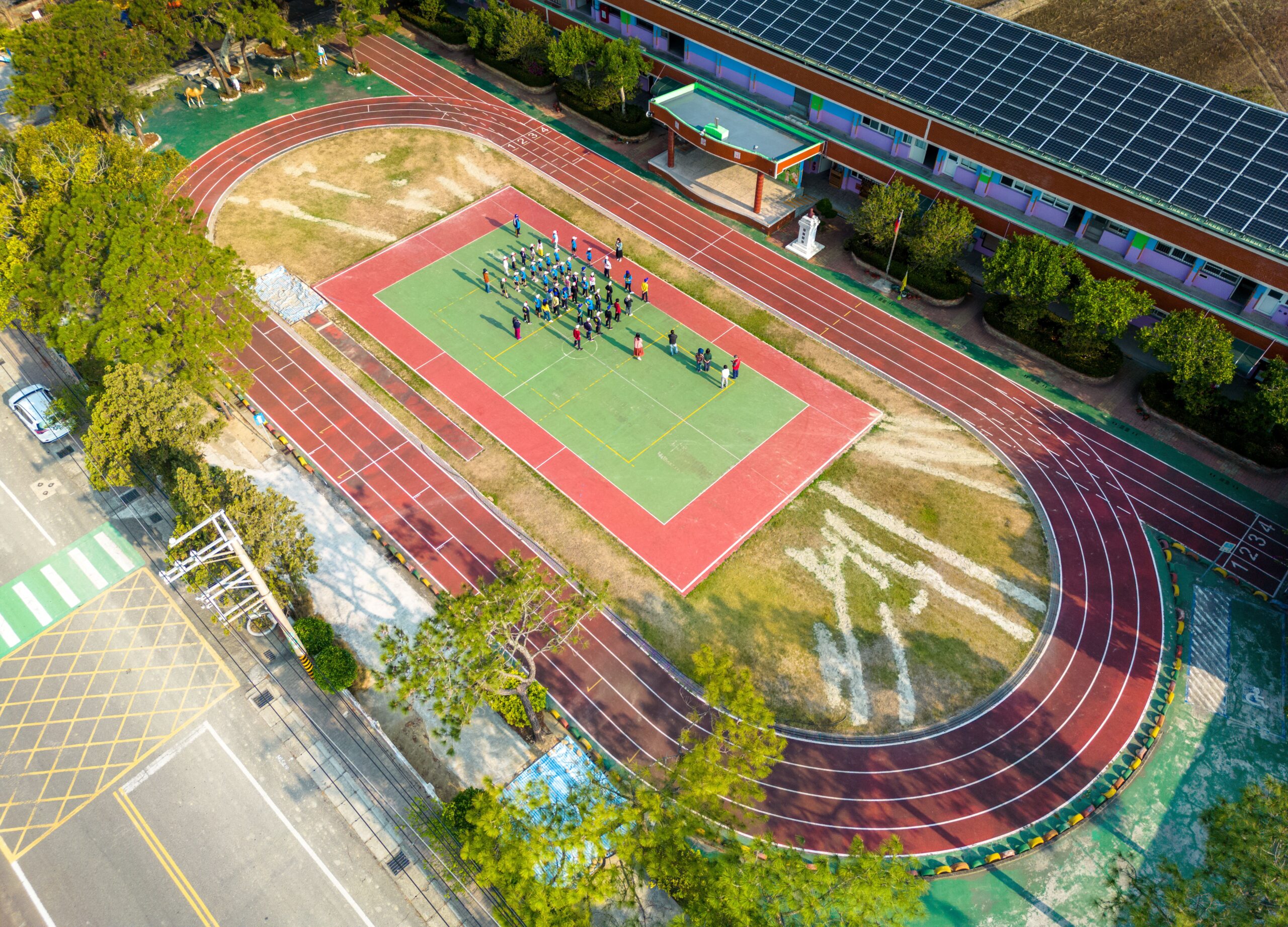
More than 10,800 US K-12 schools now use solar power, according to a new report from Generation180. The systems serve more than 7 million students and can help schools cut energy costs, but battery storage remains rare.
The findings come from the sixth edition of Generation180’s Brighter Future report. The report tracks solar and battery storage at US schools, with data current through April 2026.
The number of solar-powered schools has nearly doubled since 2016, when about 5,450 schools had solar. Their combined solar capacity has also grown more than three times to over 2.4 gigawatts, enough to match the yearly electricity use of more than 450,000 homes.
READ ALSO: https://modernmechanics24.com/post/24-legged-fossil-insects-move-on-land/
Solar can also help schools save money. Roanoke City Public Schools in Virginia, for example, is installing nearly 9.4 megawatts of solar across 29 sites. The district expects the project to save about $46.5 million in energy costs over 35 years.
California leads the US with 2,921 solar-powered schools. New Jersey, New York, Illinois, and Arizona follow, while several other states have seen strong recent growth in school solar capacity.
Tish Tablan, lead report author and senior director of Generation180’s Electrify Our Schools program, said the growth is no longer limited to a small group of areas. The report shows that urban, suburban, and rural districts are using solar to lower costs and improve their facilities.
Generation180 also found a major gap in battery storage. Only 155 schools have installed battery systems since 2016, with 94 combining batteries with solar and 61 using standalone storage.
School batteries can store extra solar power and use it later. They can also reduce high electricity demand costs and keep important equipment running during power outages.
This could be especially useful because about one-third of US public K-12 schools are FEMA-designated emergency shelters. Generation180 says solar and batteries could help schools act as community resilience hubs during grid outages.
Battery storage may also have more time to grow under current federal policy. New solar projects face a tighter deadline for certain federal clean-energy tax credits, while energy storage remains eligible for the federal Clean Electricity Investment Credit.
WATCH ALSO: https://modernmechanics24.com/post/gen-1-5-robots-one-shot-learning-ai/
Public schools and other tax-exempt organizations can access the credit through elective pay. That could give schools another reason to consider battery storage as the window for some new solar projects becomes tighter.
The bigger opportunity is combining both technologies. Solar can lower daily energy costs, while batteries can provide backup power when the grid fails. Together, they could turn more schools into reliable energy and emergency centers for their communities.















One Response