

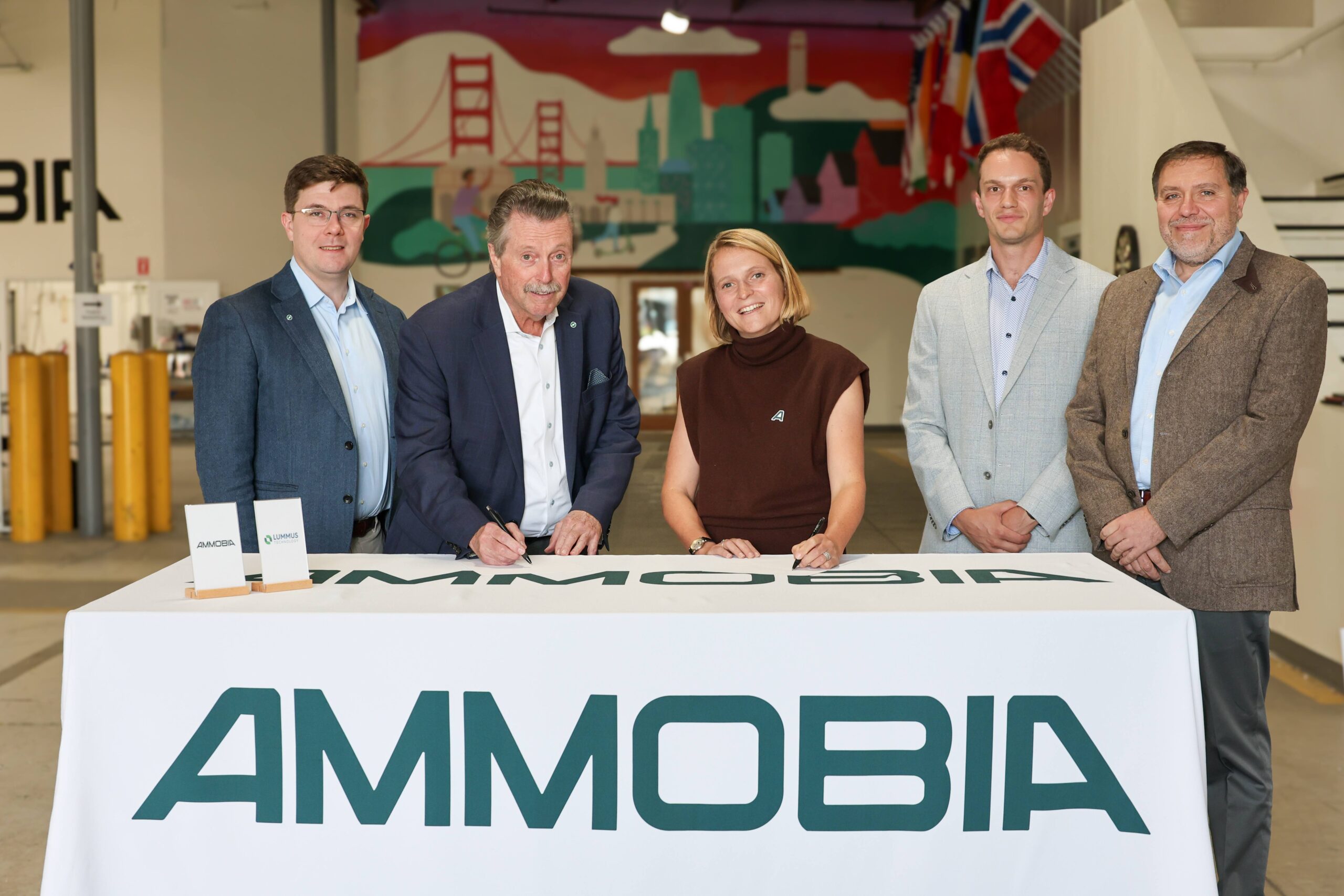
Ammobia and Lummus Technology have agreed to work together to commercialize a new ammonia production system. The partnership will bring Ammobia’s modular technology to commercial projects, with an initial focus on low-carbon energy, power generation, and maritime fuel.
Ammobia developed the system, called “Haber-Bosch 2.0,” while Lummus Technology will help engineer and deploy it at commercial scale. The companies plan to identify their first commercial projects in the coming months.
The goal is to make ammonia production cheaper and easier to deploy. Traditional ammonia plants are often large projects that require major upfront investment, while Ammobia’s system is designed around smaller, modular units that can be added as demand grows.
READ ALSO: https://modernmechanics24.com/post/rolls-royce-1b-indiana-engine-upgrade/
A key part of the technology is Ammobia’s redesigned synthesis loop, or “synloop.” The company says its process works at lower temperatures and pressures than conventional Haber-Bosch systems, which can reduce the capital needed to build a plant.
The system is designed to work with different energy sources. Lummus says customers could combine it with different hydrogen technologies and use available local energy, including gas-based systems, electrolyzers, geologic hydrogen, and renewable energy.
The companies see several potential uses for the technology. These include producing ammonia for power generation, storing and transporting low-carbon energy, supplying maritime fuel, and supporting fertilizer production. The source says 441 vessels were either ammonia-ready or ammonia-fueled as of June 2026.
The technology is still moving toward commercial deployment. The companies have not yet announced their first commercial project, and the partnership is currently focused on identifying suitable projects and bringing the system to market.
WATCH ALSO: https://modernmechanics24.com/post/lockheed-martin-grizzlymissile-launcher/
If the technology performs as expected, the partnership could make ammonia projects more flexible and less expensive to build. Ammobia says its system can reduce capital costs by up to half and lower overall production costs by 10–30%, potentially helping ammonia expand beyond fertilizer into energy and transportation.







One Response