

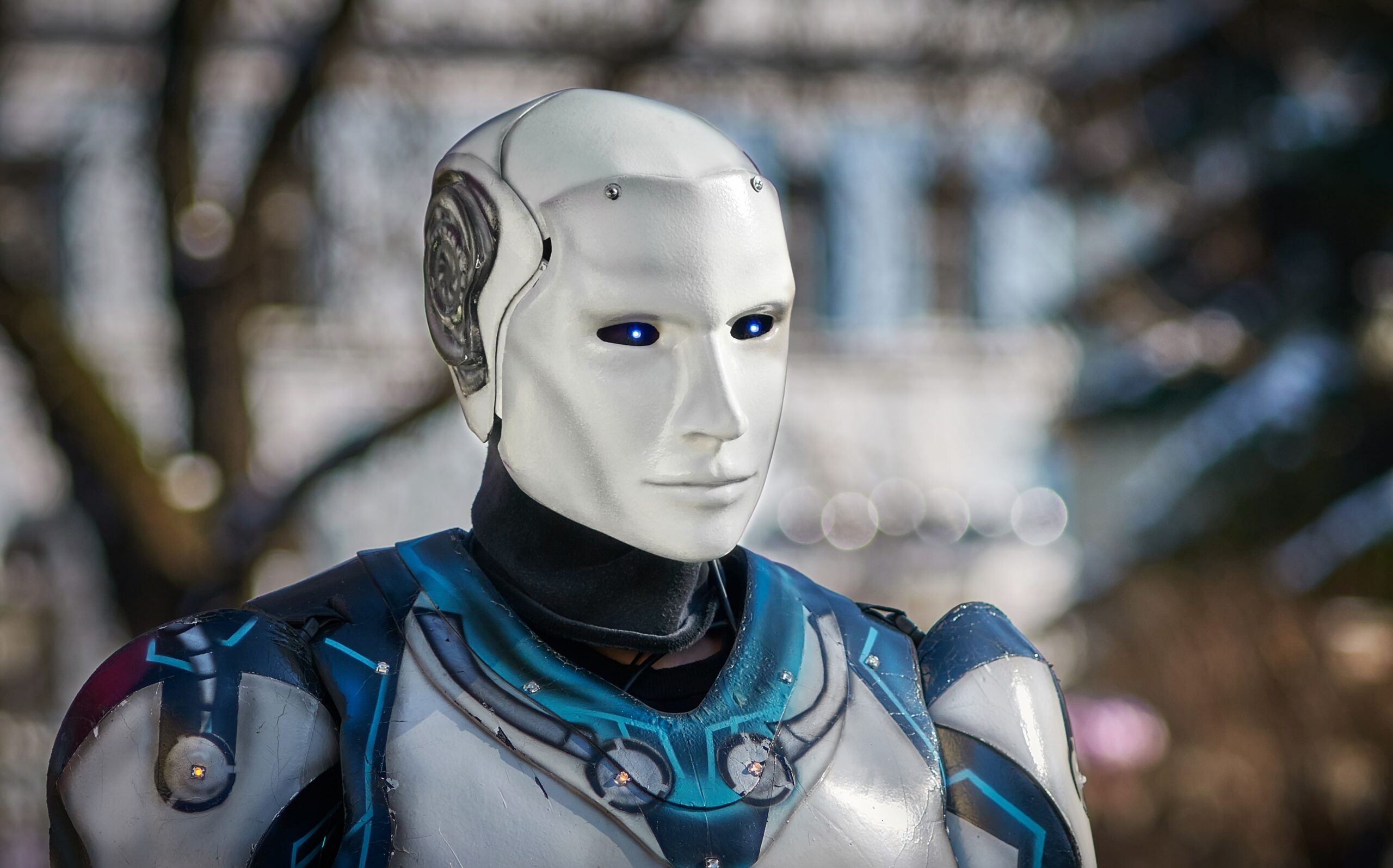
A humanoid robot in China has gone viral for running a 400-meter race while appearing to cover its face with both hands. Its developers say the unusual running style was not programmed by engineers but developed through machine learning as the robot searched for a more efficient way to run.
The robot, Tien Kung Omni, built by Beijing-based X-Humanoid, won the small-group 400-meter final at the 2nd World Humanoid Robot Games in Beijing in 45.66 seconds.
Tien Kung Omni did not run like a human athlete. Instead of moving its arms forward and backward, it kept them high near its face while leaning forward and moving its hips from side to side.
READ ALSO: https://modernmechanics24.com/post/china-discovery-hidden-rare-earths/
The unusual posture quickly caught attention online. Videos made the robot look as if it was shyly hiding its face while running.
According to the Global Times, Han Gang, a motion control algorithm expert at X-Humanoid, said the team originally designed the robot to use a human-like arm swing.
The engineers then trained the robot in a simulated environment. They gave it repeated rewards for successful movement, allowing the system to test different running patterns. Over time, it developed the high-arm posture on its own.
The main issue is energy and heat. Fast arm movements put heavy loads on the robot’s shoulder joints, which can make them heat up and consume more power.
Keeping the arms close to the face reduces the load on those joints. This allows the robot to keep its legs working hard while completing the 400-meter race without putting as much stress on its upper body.
The best running style also depends on the distance. For shorter races such as the 100-meter and 400-meter events, the robot can focus more on speed.
Longer events create different challenges. During a humanoid half-marathon, for example, engineers need to manage heat in the hip joints over a much longer period.
X-Humanoid also entered Tien Kung Ultra in the large-group 400-meter final. It won the race in 38.15 seconds.
WATCH ALSO: https://modernmechanics24.com/post/agibot-a3-martial-arts-humanoid-robot/
That time is faster than the human men’s 400-meter world record of 43.03 seconds, set by South African runner Wayde van Niekerk at the 2016 Rio Olympics. However, the comparison is not a direct measure of athletic performance because humanoid robots and human athletes have very different physical designs and race conditions.
The improvement from last year’s event shows how quickly robot running technology is advancing. The winning 400-meter time at the first World Humanoid Robot Games was 1 minute 28.03 seconds, almost 50 seconds slower than this year’s large-group winning time.
For X-Humanoid, the bigger challenge is now outside the running track. Developers want robots that can deal with complex surroundings, perform useful tasks and stay stable when outside forces push or disturb them.
















2 Responses