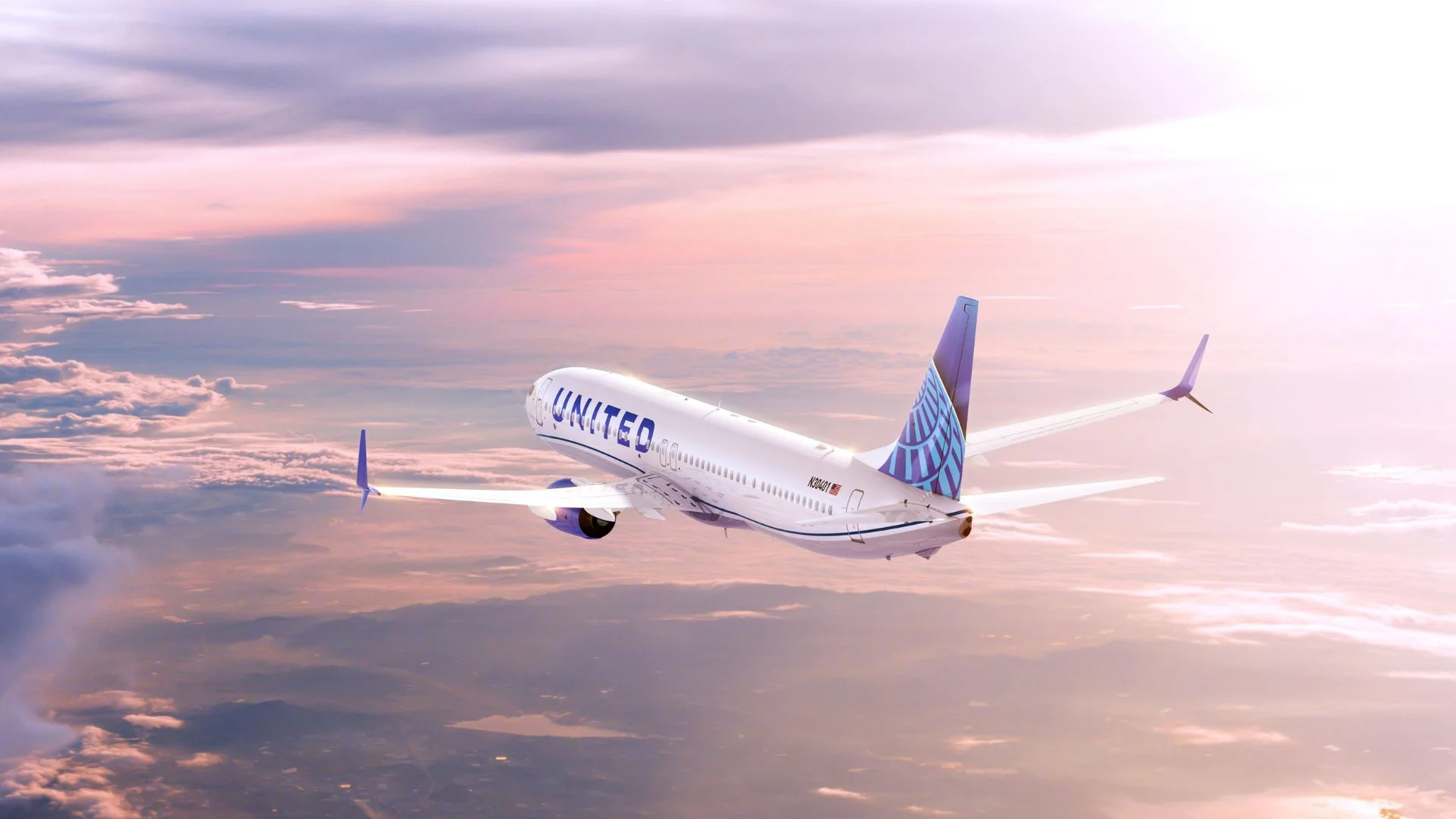
United Airlines and Delta Air Lines have announced new policies that prohibit passengers from carrying humanoid robots on their aircraft.
The restrictions apply to both cabin baggage and checked luggage across their flight networks. The decision places the two airlines among a growing number of carriers introducing specific rules for advanced robots.
The new policies separate humanoid robots from ordinary electronic devices carried by passengers. Small robotic toys and other consumer electronics remain allowed if they meet existing lithium battery regulations. However, robots designed to resemble humans are now banned regardless of their purpose.
The airlines introduced the changes as robotic technology becomes more advanced and more widely available. Existing baggage rules were mainly designed for traditional luggage and consumer electronics. Human-like robots present different challenges because of their size, design, and built-in battery systems.
Updated Travel Policies
United Airlines has prohibited passengers from transporting humanoid robots in carry-on bags, checked baggage, or cargo shipments. The airline’s guidance specifically identifies humanoid robots as prohibited items. The rule aims to provide clear instructions for passengers and airport staff.
Delta has adopted a similar policy covering both cabin and checked baggage. Unlike United, Delta describes the restriction as temporary while it reviews the issue further. The airline has not announced when the policy might be reconsidered.
Delta said the ban applies to any robot designed to resemble or imitate a human or an animal in appearance, movement, size, or behavior. The airline also clarified that these robots are not recognized as assistive devices or trained service animals. Standard electronic devices that comply with existing battery rules remain unaffected.
Humanoid Robots Raise Concerns
The airlines say the restrictions are based on operational and safety considerations rather than any confirmed safety failure during commercial flights. Humanoid robots differ from standard luggage because they combine electronics, moving parts, and large rechargeable batteries. These features create questions about how they should be screened, stored, and transported safely.
Many advanced robots use high-capacity lithium-ion batteries to power their movements and onboard computers. Such batteries already face strict aviation rules because they can pose fire risks if damaged or handled improperly. Larger robotic systems may also require different storage methods compared with ordinary luggage.
READ ALSO: 3D-Printable Tissue-Like Material Heals Bodies, Powers Robots, Recovers Rare Minerals
The physical design of humanoid robots also creates practical concerns. Their articulated arms, legs, and unusual shapes may complicate baggage handling and aircraft storage. Airlines must also consider how such devices would be secured during flights and managed during emergencies.
Southwest Prompted Change
The issue gained wider attention after a humanoid robot traveled on a Southwest Airlines flight earlier this year. Reports said the incident raised questions about how airline staff should classify and transport such machines. The event exposed uncertainty over seating arrangements, battery handling, and baggage procedures.
Following that incident, Southwest introduced its own restrictions covering both humanoid and animal-like robots. United and Delta have now expanded similar measures through their updated baggage policies. The growing number of restrictions shows that airlines are responding as robotic technology enters everyday life.
The aviation industry has updated passenger rules several times as new technologies have become more common. In recent years, airlines introduced regulations covering smart luggage, hoverboards, and lithium battery-powered devices. Humanoid robots now represent another category requiring dedicated policies because they combine multiple technical features in one device.
READ ALSO: World’s Oldest Amber Found in China Rewrites the Early History of Plant Evolution
Future Aviation Impact
The latest restrictions demonstrate how airlines continue adapting regulations to keep pace with changing technology. Rather than assessing every robot individually, carriers are introducing clear rules that simplify enforcement for airport staff and passengers. This approach also helps maintain consistent procedures across different airports and flight operations.
As more companies develop commercially available humanoid robots, other airlines may review their own baggage policies. Regulators and carriers will likely continue examining how these devices fit within existing aviation safety standards. Future guidelines may evolve further as robotics technology becomes more common in everyday travel.
For now, passengers flying with United, Delta, or Southwest should expect humanoid robots to remain prohibited on board. Smaller robotic devices that meet current baggage and battery requirements can generally still be transported. The expanding policies highlight how aviation rules continue evolving alongside rapid advances in consumer technology.