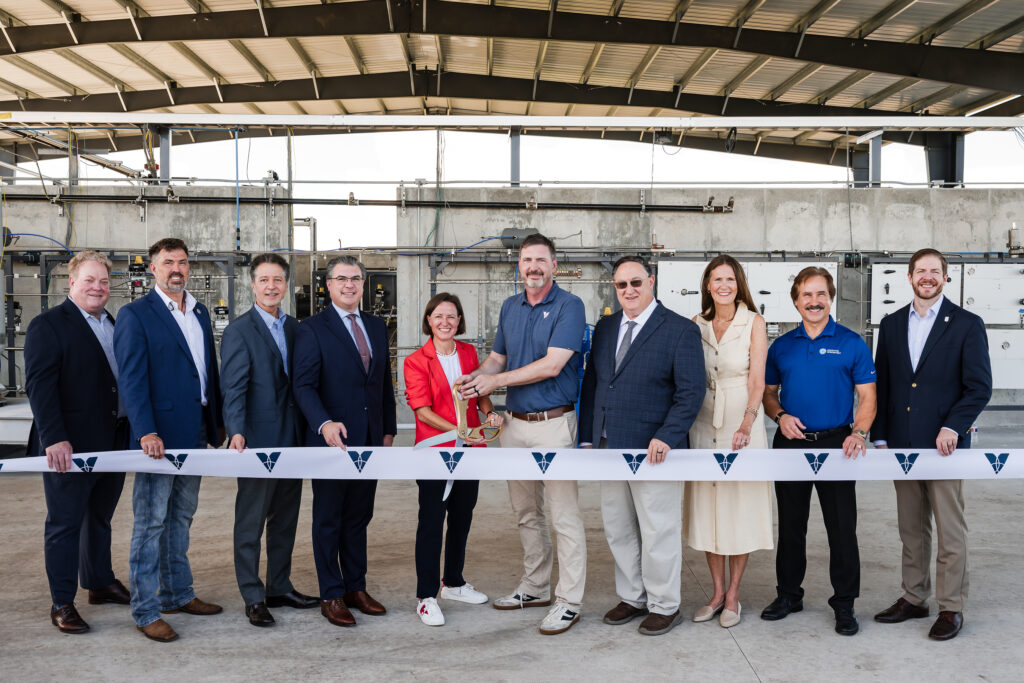
L3Harris Technologies has signed a new framework agreement with the US Department of War and Lockheed Martin to sharply increase propulsion production for the Terminal High Altitude Area Defense (THAAD) system.
The seven-year agreement aims to quadruple the company’s propulsion manufacturing capacity to support growing missile defence requirements. The contract is expected to be finalised later this year and represents the largest THAAD propulsion award received by L3Harris.
The agreement forms part of the Department of War’s Acquisition Transformation Strategy, which focuses on delivering critical defence systems to military forces more quickly. Officials are working to expand manufacturing capacity for key weapons and missile defence programmes. The latest agreement is designed to ensure a faster and more reliable supply of essential THAAD components.
Expanding Production Capacity
L3Harris manufactures two critical propulsion systems used by THAAD for the Missile Defense Agency. These include the Solid Rocket Boost Motor (SRBM), which powers the interceptor after launch, and the Liquid Divert and Attitude Control System (LDACS), which helps guide the interceptor during the final stage of flight. Both systems are essential for ensuring the interceptor reaches and destroys an incoming ballistic missile.
The company produces THAAD solid rocket boost motors at facilities in Huntsville, Alabama, and Camden, Arkansas. The liquid divert and attitude control systems are manufactured at its Los Angeles facility. L3Harris said it is already delivering both propulsion systems on schedule or ahead of existing contract commitments.
Ken Bedingfield, President of Missile Solutions at L3Harris, said the agreement highlights the company’s ability to supply important defence systems rapidly.
READ ALSO: Unitree G1 Teardown Reveals Why Japan May Not Catch Up to China in Robotics
He added that ongoing investments in new facilities, advanced manufacturing methods and supplier support will help meet increasing production requirements. These efforts are intended to strengthen long-term manufacturing capacity for national security programmes.
Why THAAD Matters
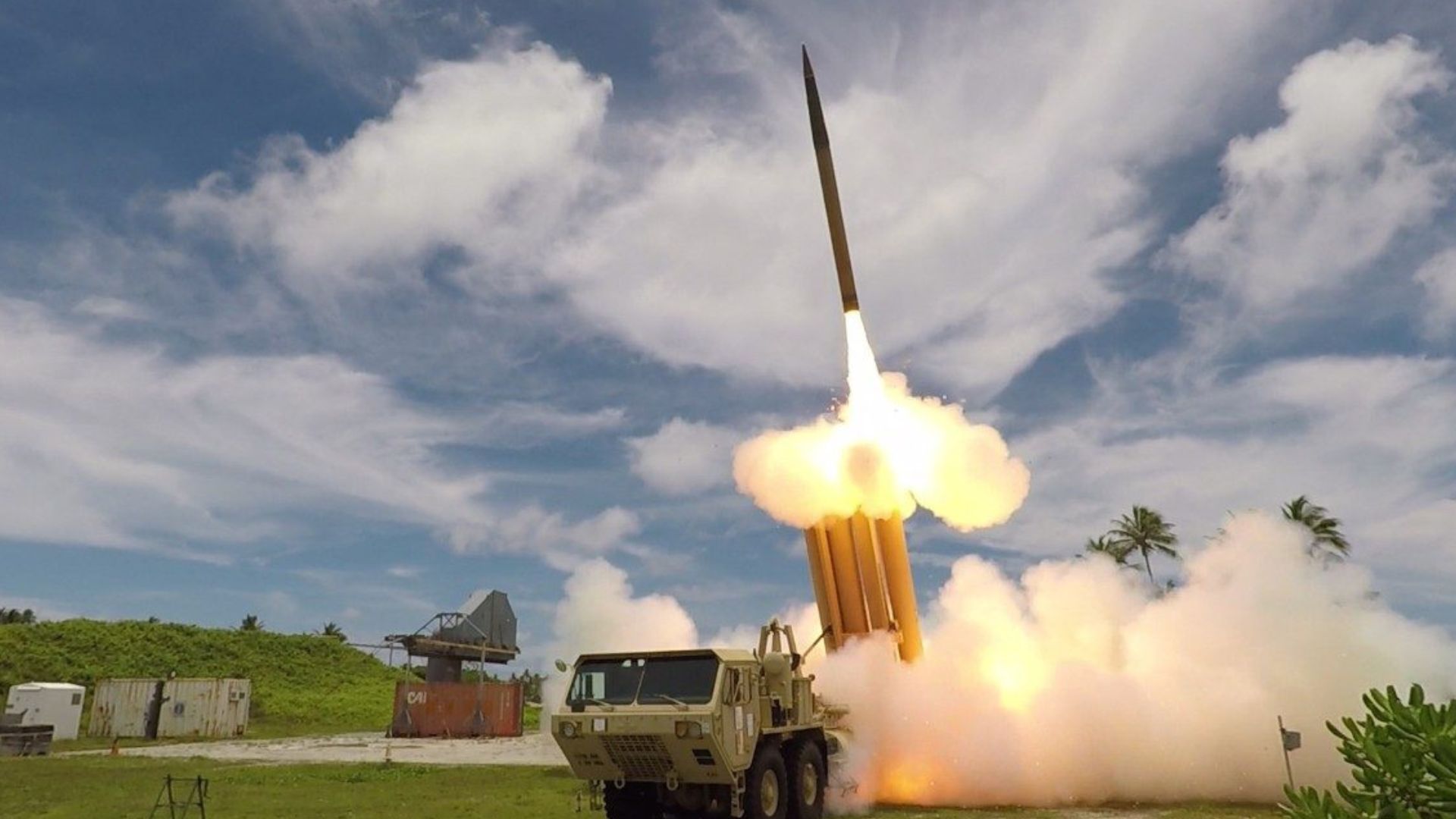
THAAD is one of the US’s primary missile defense systems for protecting against short-, medium-, and intermediate-range ballistic missiles. It is designed to intercept incoming missiles during the final phase of their flight, both inside and outside Earth’s atmosphere. This capability allows the system to destroy threats before they reach their intended targets.
Unlike many traditional air defence systems that rely on explosive warheads, THAAD uses a hit-to-kill approach. The interceptor destroys an incoming missile by striking it directly at extremely high speed. This method reduces the risk of unexploded warheads and increases interception accuracy during missile attacks.
THAAD has been successfully tested many times since entering production. According to L3Harris, the system has maintained a 100% success rate during official intercept tests. Its proven performance has made it an important part of US missile defence and the protection of allied nations.
Power Behind Success
The propulsion system plays a central role in every THAAD interception. The solid rocket boost motor provides the powerful thrust needed to launch the interceptor and rapidly accelerate it toward its target. Without this initial propulsion, the interceptor would not be able to reach incoming ballistic missiles in time.
The liquid divert and attitude control system becomes important during the final moments of an interception. It uses small, highly responsive thrusters to make precise adjustments to the interceptor’s direction and position. These rapid corrections help keep the kinetic kill vehicle accurately aligned with fast-moving missile targets.
Together, the two propulsion systems allow THAAD to respond to complex missile threats with speed and precision. Their performance directly affects the system’s ability to achieve successful interceptions. Increasing production of these components will support the manufacture of more THAAD interceptors as demand continues to grow.
READ ALSO: China Tracks Typhoon Noul with Drone Swarm in First Full 3D Observation Mission
Broader Defence Expansion
The Department of War’s Munitions Acceleration Council has identified THAAD among several priority programmes requiring expanded production capacity.
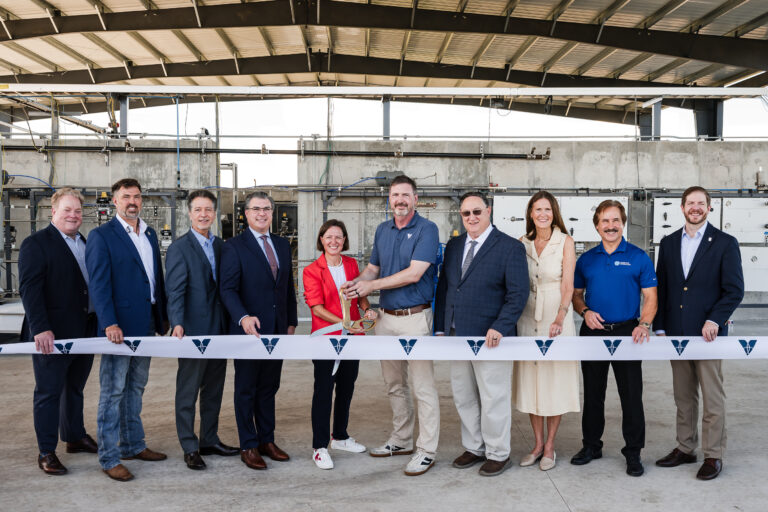
L3Harris said the company is responding by investing billions of dollars to strengthen its manufacturing network. These investments include constructing around 60 facilities and adding or upgrading nearly one million square feet of manufacturing and office space across production sites in Alabama, Virginia and Arkansas.
The expansion reflects a broader effort by the US to strengthen its defence industrial base. Growing global security challenges have increased demand for advanced missile defence systems and faster production timelines. Expanding manufacturing capacity also helps reduce supply chain risks while improving readiness for future defence requirements.
However, the planned increase in propulsion production is expected to strengthen THAAD manufacturing for years to come. The investment supports both current defence needs and future missile defence planning. It also reinforces the importance of maintaining a reliable industrial base capable of delivering advanced defence technologies at scale.