A new report has highlighted major supply chain issues affecting large power transformers used at hydropower facilities across the US, raising concerns over the pace of grid upgrades and long-term power system reliability.
The study examines the barriers that utilities face when replacing or upgrading these essential electrical components. It also outlines strategies that may strengthen domestic manufacturing and improve long-term supply chain resilience.
The report, titled Large Power Transformer Supply Chain Gap Analysis and Domestic Content Strategies for Hydropower Rehabilitation, was released by the National Laboratory of the Rockies.
It focuses on the specific needs of the hydropower industry while also recognizing the broader importance of transformers across the US electricity system. The work was funded by the US Department of Energy’s Hydropower and Hydrokinetic Office.
Large power transformers, often called LPTs, play a vital role in moving electricity across long distances. They increase the voltage of electricity produced by hydropower turbines before it enters the transmission network. This process helps reduce energy losses and allows electricity to reach homes, businesses, and industries efficiently.
Major Supply Issues
The report notes that more than 90 percent of the electricity consumed in the US passes through high-voltage transformers at some stage. That makes these devices important not only for hydropower plants but also for the reliability of the national power grid. Any disruption in transformer availability can affect infrastructure upgrades and long-term energy planning.
Researchers identified nine major challenges after gathering feedback from stakeholders in the hydropower industry. One of the biggest concerns is the heavy dependence on imported raw materials. Around 80 percent of materials used in transformer production, such as grain-oriented electrical steel and refined copper, come from outside the US.
READ ALSO: Hidden Space Junk in High-Traffic Orbit Is a ‘Potential Minefield’ for Satellites
Domestic manufacturing has expanded in recent years, but production capacity still falls short of growing demand. The report also notes that only a limited number of facilities worldwide are capable of manufacturing extra-high-voltage transformers. This creates additional pressure on utilities seeking specialized equipment.
Lead times have also become significantly longer. Procuring a standard transformer rated at around 100 megavolt-amperes generally takes between two and a half and three years. Extra-high-voltage units may require as long as five years from order to delivery.
Costs Keep Rising
Transformer prices have increased sharply over the past several years. According to the report, average costs have risen by roughly 80 percent since 2021, with further increases recorded during 2025. A single large transformer may now cost up to $10 million depending on its specifications.
Another challenge involves the shortage of experienced workers across the manufacturing sector. Companies producing transformers and other hydropower equipment are finding it difficult to recruit professionals with more than a decade of industry experience. Many skilled workers have retired or moved into other industries after manufacturing shifted overseas over previous decades.
Transporting these massive transformers presents another obstacle. Hydropower facilities are often located in mountainous regions or other remote locations that are difficult to access. Specialized transport vehicles are limited in number, and oversized loads require carefully planned routes and multiple permits before delivery.
Policy And Logistics
The report also highlights delays linked to permitting and regulatory processes. Replacing an existing transformer often involves environmental reviews and safety requirements that can extend project timelines. These procedures are necessary but can slow modernization efforts.
Changing global trade conditions also remain an important factor. Fluctuations in steel and copper prices can directly increase transformer manufacturing costs. Industry planners will need to monitor these market conditions to better manage procurement risks and project budgets.
READ ALSO: YFQ-44A Loyal Wingman Fires First Live Missile: Inside the US Air Force’s Autonomous Test
Federal contracting rules and domestic content requirements present another area of concern. While these policies aim to strengthen US manufacturing, the report notes that domestic production capacity is still developing. As a result, procurement timelines may remain under pressure until manufacturing expands further.
Hydropower Transformer Grid Upgrade
The study builds on two earlier Department of Energy assessments that examined supply chain gaps across the hydropower sector. Together, the reports provide a broader picture of the equipment, workforce, and manufacturing needs required to support future hydropower development. They also identify opportunities to improve domestic production across critical technologies.
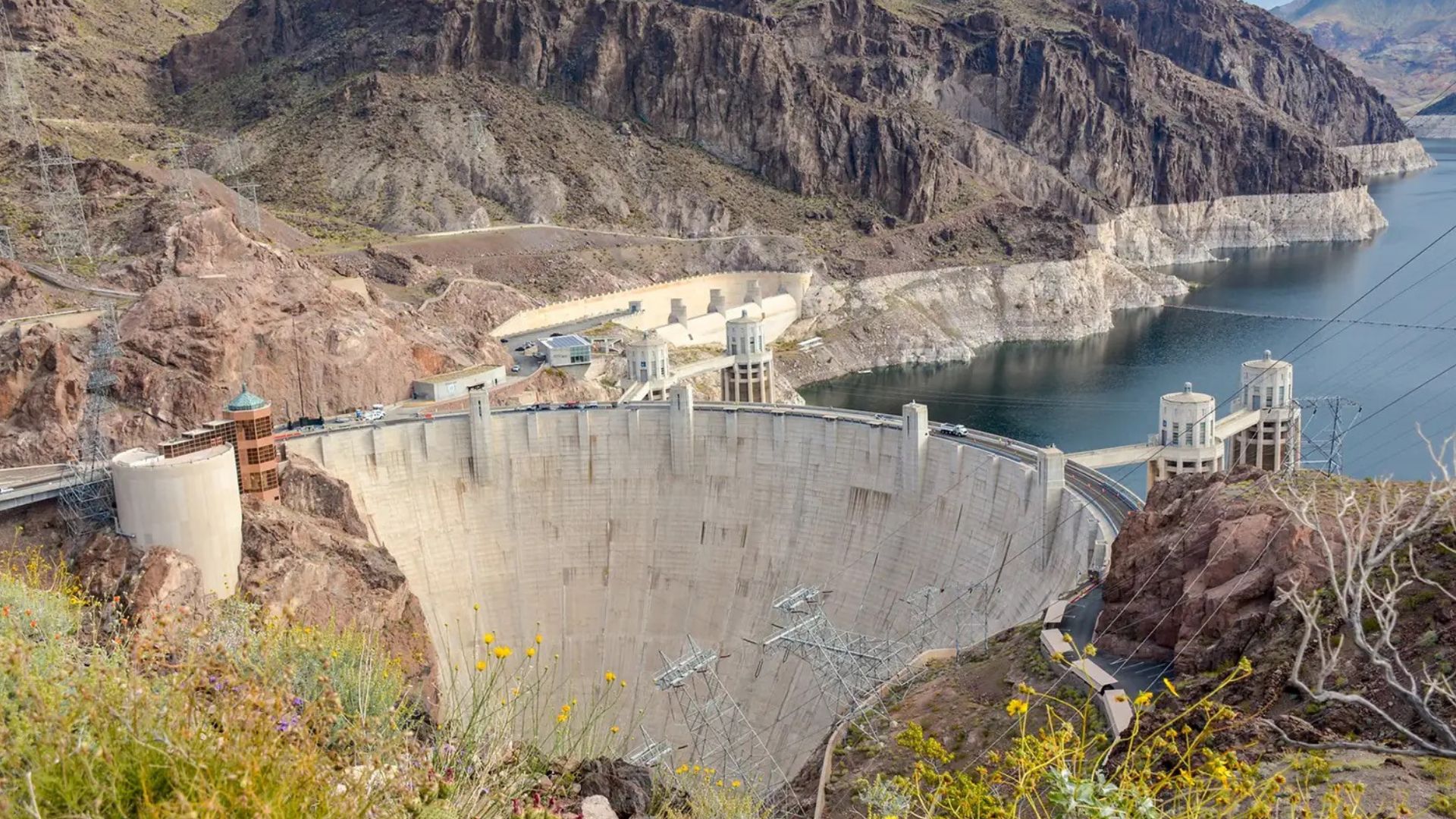
Hydropower currently generates more than six percent of the nation’s electricity. Existing facilities continue to require upgrades, refurbishment projects, and license renewals to maintain reliable operation. A stronger domestic transformer supply chain would help support these long-term investments while reducing dependence on overseas suppliers.
The report suggests that its findings can guide future government policies, financing programs, and industrial investments.
Workforce training initiatives may also help rebuild technical expertise needed for transformer manufacturing. These combined efforts could strengthen the resilience of the US hydropower sector while supporting the reliability of the nation’s evolving electricity grid.