Asylon has received a Phase Three contract from the Warner Robins Air Logistics Complex (WR-ALC) to further develop its Multi-modal Autonomous Robotics for Inspection of Aircraft (MARIA) system.
The project focuses on improving aircraft inspections through autonomous technology. It marks another step in the company’s partnership with the US Air Force.
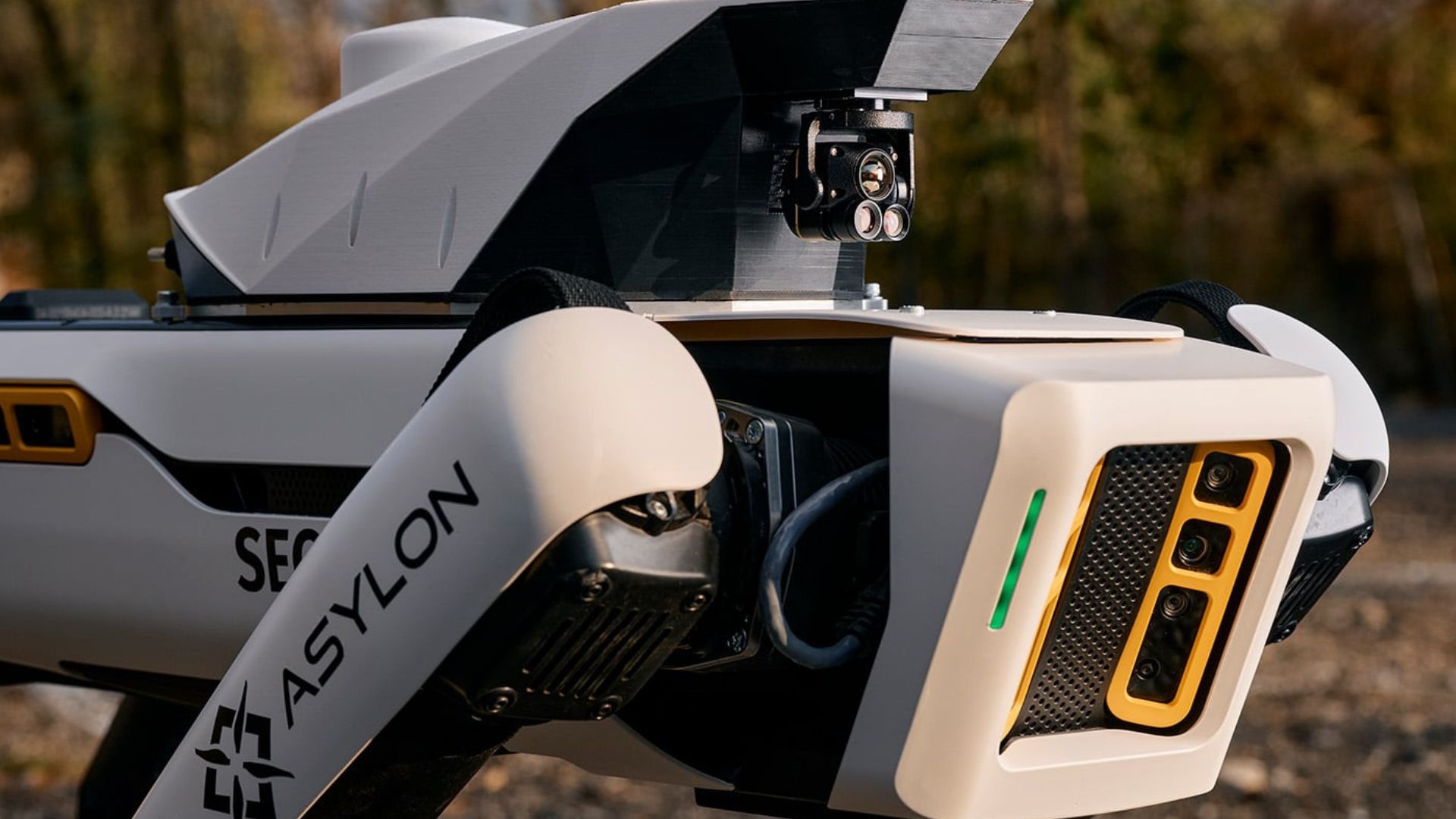
The MARIA system combines aerial and ground-based robots to inspect military aircraft with limited human involvement. It uses the company’s Guardian drone, DroneDog robotic vehicle, Range autonomy software, and DroneIQ command platform. Together, these systems perform coordinated inspections and present the results through one operational interface.
Inspection Process Improved
The autonomous system is designed to complete General Visual Inspections, commonly known as GVIs. These routine inspections help maintenance teams identify visible damage, wear, or defects on aircraft surfaces. Automating the process allows inspections to be completed faster while maintaining consistent results.
The system also collects images, LiDAR scans, flight data, and other inspection records during each mission. LiDAR is a laser-based technology that creates detailed three-dimensional maps of objects and surfaces. Maintenance teams can review this information through two-dimensional inspection reports and digital twin models that provide a virtual view of the aircraft.
READ ALSO: China Reveals Secret 100-Gigawatt Microwave Weapon That Could Fry Satellites Like Starlink
Supporting Air Force
The project directly supports the US Air Force’s efforts to modernize aircraft maintenance operations. Many aircraft inspections require significant manpower and involve working at heights or around large aircraft. Using autonomous robots can reduce these challenges while allowing technicians to focus on more complex maintenance work.
Asylon said the integrated platform will help improve inspection speed, increase consistency, and strengthen safety during maintenance operations. The company added that maintainers will receive inspection data through DroneIQ’s decision-support tools. This approach gives maintenance teams easier access to information needed for inspection reviews.
Asylon Expands MARIA Program
The Phase Three award establishes one of the first large-scale deployments of the MARIA system at the Warner Robins Air Logistics Complex. The site is one of the US Air Force’s major aircraft sustainment facilities. Success at the facility may support wider adoption of autonomous inspection systems across defense maintenance operations.
Anthony McCarty, Senior Vice President of Government at Asylon, said the company is honored to continue working with the Warner Robins Air Logistics Complex on the MARIA program.
He said the contract reflects the Air Force’s confidence in Asylon’s autonomous air and ground robotic platforms and expands their use from security operations to aircraft inspections. He added that the company aims to deliver faster, safer, and more consistent inspection capabilities that help keep military aircraft ready for service.
As autonomous technologies become more common in defense maintenance, projects such as MARIA are expected to play a larger role in improving efficiency and supporting long-term aircraft readiness.