Raytheon has secured a new contract from the US Navy to continue supporting the SPY-6 family of naval radars.
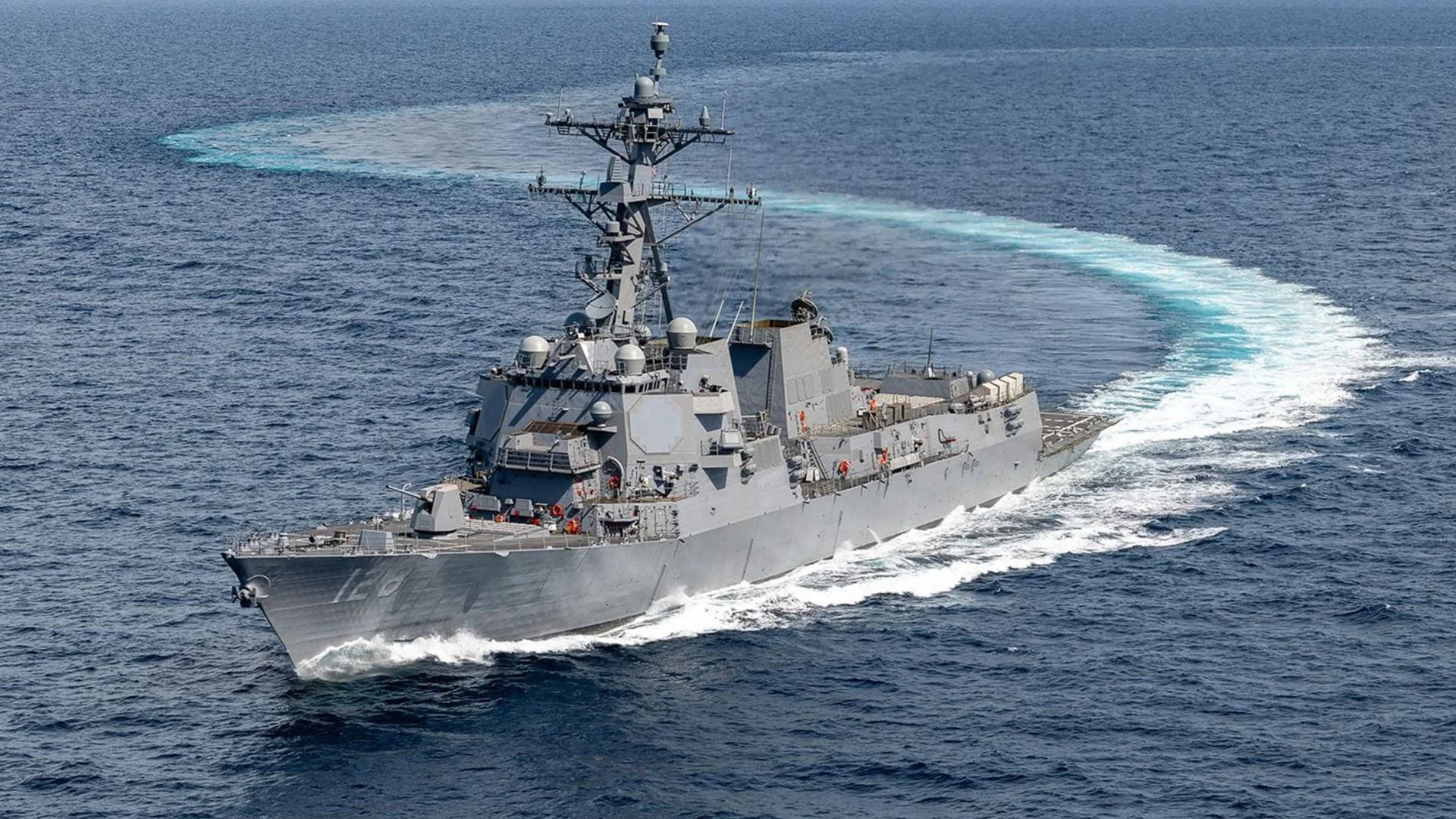
Valued at $515 million, the award follows the Integration and Production Support contract signed in June 2025. It also covers upgrades for Flight IIA Arleigh Burke-class destroyers with the SPY-6(V)4 radar system.
The contract covers radar integration, testing, engineering support, and production activities. Raytheon will continue working closely with the US Navy as more ships enter service with the radar system. The agreement also supports Germany and allows additional partner nations to join through the US Foreign Military Sales program.
READ ALSO: Atomic Motion in Platinum-Nickel Nanoparticles Unlocks New Pathway for Hydrogen Production
SPY-6 Radar Across the Fleet
SPY-6 is the US Navy’s newest generation of maritime radar designed to detect and track a wide range of threats.
The system can identify aircraft, missiles, ships, and electronic warfare threats at longer ranges and with greater accuracy than older radar systems. Its scalable design allows different radar versions to be installed on multiple classes of warships.
WATCH ALSO: Lightweight advanced materials are transforming aerospace innovations
The radar is already operating aboard two commissioned US Navy vessels. Another 11 ships have the system installed and are currently undergoing testing and evaluation. Over the next decade, the Navy plans to field SPY-6 on more than 50 ships, making it a key part of future fleet modernization efforts.
Raytheon says the radar has accumulated more than a decade of successful testing and operational experience. The company believes the system provides stronger situational awareness and improves a ship’s ability to respond to complex threats. As global naval forces face increasingly advanced missile and electronic warfare challenges, radar performance has become a critical requirement.
Production Capacity Set to Double
To meet rising demand, Raytheon has invested approximately $800 million in modernizing its radar manufacturing operations. The company expects these upgrades to double SPY-6 production output by 2028. Increased manufacturing capacity is intended to support both US military requirements and international customers.
READ ALSO: China Establishes Three-Satellite Network in Earth-Moon Orbit
Much of the radar development and production work takes place at Raytheon’s Radar Development Facility in Andover, Massachusetts. The 30,000-square-foot site produces several radar systems used by the US and allied forces. The facility features advanced automation and an in-house gallium nitride semiconductor foundry that manufactures key electronic components for SPY-6 radars.
Gallium nitride(GaN) helps radar systems operate more efficiently and generate stronger signals. Compared with older semiconductor materials, GaN technology allows radars to detect targets farther away while using power more effectively. This technology has become increasingly important for modern military sensors and air defense systems.
READ ALSO: Honda Completes Successful Trial of Reusable Rocket Technology
Strategic Importance for Naval Defense
The SPY-6 program is a central part of the US Navy’s effort to modernize its surface fleet. As more ships receive the radar, the Navy aims to strengthen protection against evolving air, missile, surface, and electronic threats. The system is also becoming an important export capability for allied nations seeking advanced maritime defense technology.
The latest contract highlights continued investment in next-generation naval sensing systems. With production increasing and more ships preparing to enter service, SPY-6 is set to play a larger role in maritime security over the coming years. Its expansion across the US fleet and allied navies is expected to shape future naval operations and defense planning.