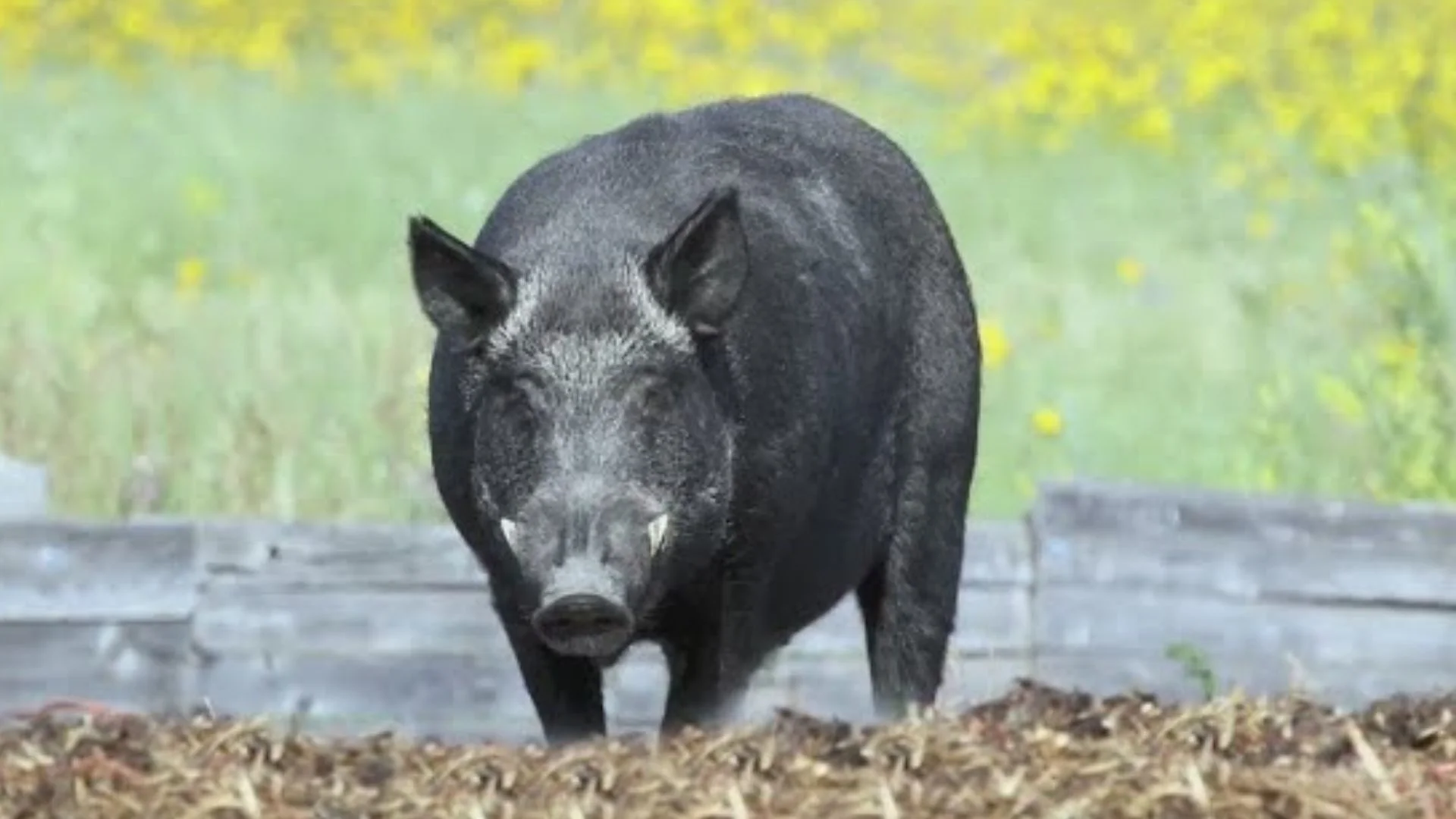
A fast-growing population of hybrid pigs and wild boars is expanding across Japan’s Fukushima nuclear fallout zone.
Researchers say escaped domestic pigs bred with native wild boars after the 2011 nuclear disaster forced thousands of residents to flee.
The new hybrid animals are reproducing faster than normal wild boars, raising concerns about long-term environmental damage and the impact on wildlife management.
Hybrid Pigs Spread Across Fukushima
Researchers from Fukushima University and Hirosaki University studied the animals using DNA analysis. Their findings were published in the Journal of Forest Research. The study found that the hybrids inherited the domestic pig’s fast breeding cycle through the maternal bloodline.
READ ALSO: SpaceX Stacks Starship V3, Completes Major Fueling Test Ahead of Flight 12 Debut Launch
Wild boars usually reproduce once every year in the wild. Domestic pigs, however, can breed throughout the year and produce larger numbers of offspring. Scientists say this inherited trait is helping the hybrid population grow much faster.
Fukushima Disaster Changed Local Wildlife
The Fukushima Daiichi nuclear disaster began in March 2011 after a massive 9.0-magnitude earthquake triggered a tsunami along Japan’s northeast coast.
The disaster damaged the nuclear plant and released radioactive material into nearby areas. Around 164,000 residents were forced to evacuate their homes to avoid radiation exposure.
Many farms were abandoned during the emergency evacuation process. Domestic pigs escaped from these farms and entered nearby forests and farmland. Over time, they mixed with Japan’s native feral boar populations.
Professor Shingo Kaneko said the study confirms that domestic pig maternal genes accelerate reproduction in the hybrids.
Researchers also found that many hybrids now carry lower levels of domestic pig DNA than expected. This suggests that repeated breeding with wild boars is gradually diluting some pig genetic traits while maintaining the faster reproductive rate.
Rising Concerns Over Invasive Animal Growth
Feral swine are considered one of the world’s most destructive invasive animal groups. They damage crops, destroy habitats, spread disease, and threaten native wildlife populations. In the US alone, authorities estimate that feral swine cause billions of dollars in agricultural and environmental losses every year.
WATCH ALSO: This US supersonic aircraft could slash flight times and silence the sonic boom
Scientists say Fukushima’s abandoned zones created ideal conditions for the animals to expand without human interference.
Reduced farming activity and lower hunting pressure allowed wild boar numbers to rise quickly. The added reproductive advantage of the hybrids further increased population growth.
Researchers believe the findings are important beyond Japan. Similar interbreeding between domestic pigs and wild boars happens in several regions worldwide. Scientists say understanding these genetic patterns can help governments predict future population explosions and improve wildlife control strategies.
The study also highlights how nuclear disasters and abandoned human settlements can reshape ecosystems for decades. Experts say long-term monitoring of Fukushima’s wildlife will remain important as the region continues recovery and environmental restoration efforts.