Researchers at Illinois Institute of Technology have successfully completed the third implantation of a wireless visual prosthesis designed to provide artificial vision to people living with total blindness.
The procedure was performed at Rush University Medical Center as part of an ongoing clinical study exploring new methods to restore limited visual perception through direct brain stimulation.
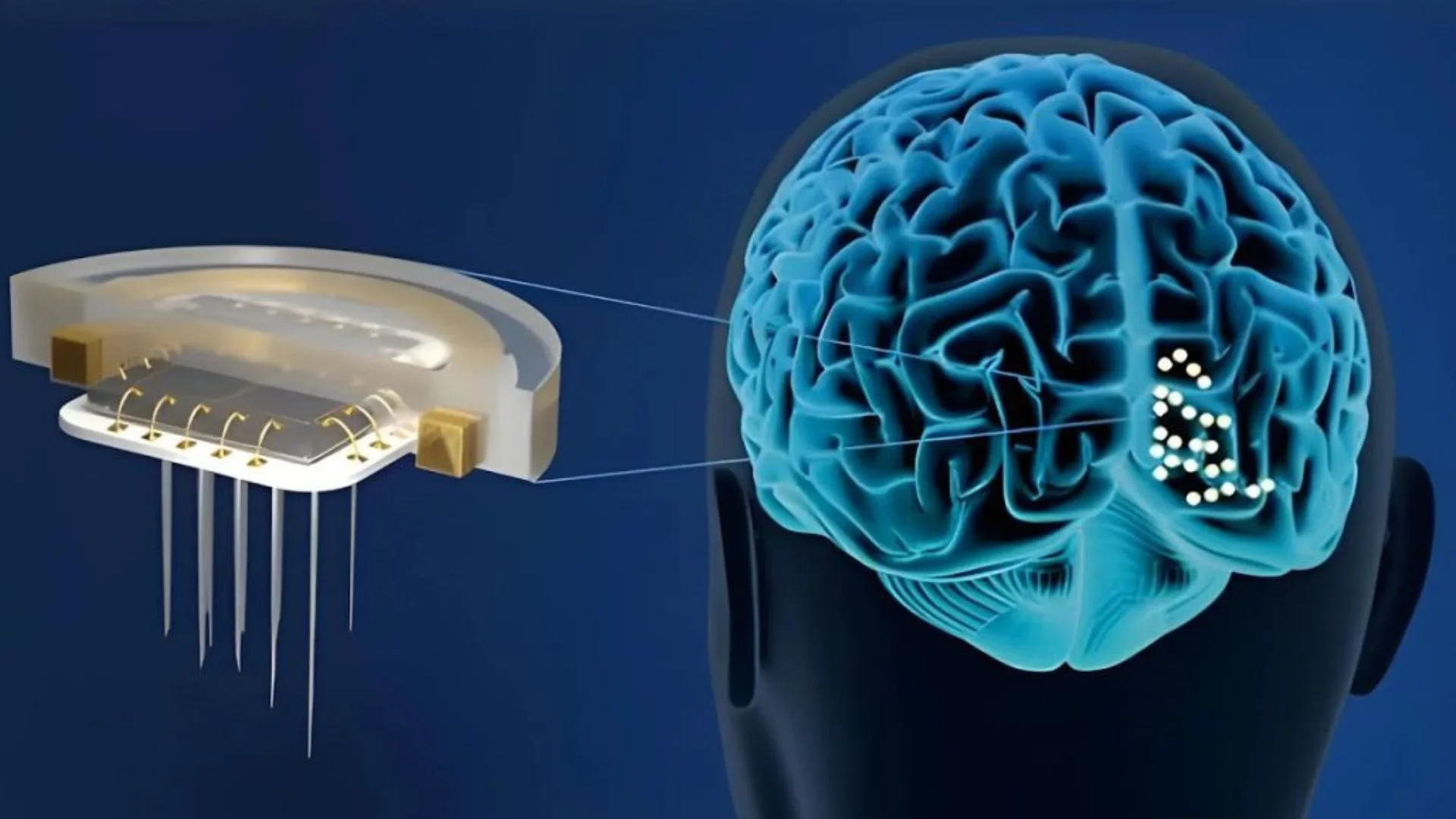
The development marks continued progress for the Intracortical Visual Prosthesis, also known as ICVP, which bypasses damaged eyes and optic nerves to connect directly with the brain’s visual cortex.
The latest surgery involved implanting 34 wireless stimulators containing a total of 544 electrodes into the participant’s brain. These tiny devices are designed to send electrical signals directly to the visual cortex, the region responsible for processing sight.
Researchers hope the system will help blind individuals detect shapes, movement, and light patterns, thereby improving navigation and daily activities.
READ ALSO: Moon Impact Mystery Points Artemis Astronauts to Hidden Lunar Mantle Fragments
The ICVP project is led by biomedical engineer Philip R. Troyk and represents nearly 30 years of research at Illinois Tech. The technology focuses on individuals who are completely blind due to eye disease or trauma but retain an intact visual cortex.
For many of these patients, scientists believe a brain-based prosthesis may offer the only advanced option for restoring some level of visual perception.
How the Artificial Vision Brain Implant Works
Unlike retinal implants that depend on functioning eye structures, the ICVP system bypasses the eyes entirely. A camera and external processing system convert visual information into electrical signals. Those signals are then wirelessly transmitted to implanted brain stimulators.
The visual cortex normally receives millions of signals from healthy eyes through the optic nerves. In people with severe blindness, that communication pathway is damaged or destroyed. The new implant aims to replace the missing signals by directly stimulating the brain.
Researchers say the wireless design is one of the project’s most important features. The implant system is designed for long-term placement within the body, enabling participants to use the device for extended periods. This gives scientists more time to study how the brain adapts to artificial vision and how recipients learn to interpret the signals.
The surgical techniques used in the procedure were refined during years of preclinical testing between Illinois Tech researchers and neurosurgeons at Rush University Medical Center. Doctors successfully implanted the latest participant without major complications.
After a 4-week recovery period, the participant will begin testing and training sessions at The Chicago Lighthouse, the primary research center for the clinical trial.
WATCH ALSO: American company’s next-generation ejection seat offers a 92% survivability rate
Dr. Sepehr Sani, who performed the implantation surgery, said the third successful procedure represents an important step in developing meaningful options for patients with profound vision loss. He added that the system continues to demonstrate stability as researchers expand clinical testing.
The ICVP project has already completed four years of clinical testing since the first implantation. Researchers say early findings suggest the prosthesis may improve a participant’s ability to move through spaces and perform simple visually guided tasks. Even limited visual signals, such as detecting light or identifying obstacles, can make daily life safer and more manageable for people with complete blindness.
According to Janet P. Szlyk, even small gains in visual perception can significantly affect independence and quality of life. Researchers involved in the study believe artificial vision systems may eventually support broader rehabilitation tools for blind individuals. Current testing focuses on understanding how users adapt to the signals over time.
The project has also gained attention within the wider neuroscience community. It was recently featured in the NOVA episode “Building Stuff: Boost It.” It highlighted advancements in brain-connected technologies. Scientists also presented findings on the implant at the 2024 Society for Neuroscience symposium.
Researchers believe the underlying technology may eventually extend beyond blindness treatment. Similar wireless neural interfaces may one day help address conditions involving spinal cord injuries or other neurological disorders. However, scientists stress that these applications remain under active research and development.
Why the Brain Implant Research Matters
Blindness affects millions of people worldwide, and many forms of severe vision loss cannot be treated with glasses, surgery, or retinal implants. Existing visual prosthesis technologies often depend on partially working eye structures, limiting their usefulness for individuals with total blindness. The ICVP system aims to address that gap by targeting the brain directly.
The project also reflects the growing role of neurotechnology in medicine. Brain-computer interfaces are increasingly being explored for restoring movement, communication, hearing, and sensory perception. Advances in wireless implants, miniaturized electronics, and artificial intelligence are helping researchers build more sophisticated neural devices.
Illinois Tech and its research partners are continuing to recruit volunteers for the study. Eligible participants include adults who lost their vision later in life after having normal or near-normal sight during childhood. Participants will be monitored for one to three years following implantation as researchers evaluate the system’s long-term performance and safety.
READ ALSO: Copper Cold Plates Slash Data Center Cooling Energy Use by 98.9% in AI Servers Worldwide
Several institutions are collaborating on the project, including Wilmer Eye Institute, Johns Hopkins University, The University of Texas at Dallas, Microprobes for Life Science, Sigenics Inc., and The University of Chicago. The collaboration combines expertise in neuroscience, biomedical engineering, eye research, and neural implant systems.
As testing continues, researchers hope the technology will continue to improve how blind individuals interact with their surroundings. The long-term goal is to develop practical artificial vision systems that support greater independence and everyday mobility.
The latest successful implantation shows that brain-based visual prostheses are steadily moving from experimental research toward real-world clinical use.