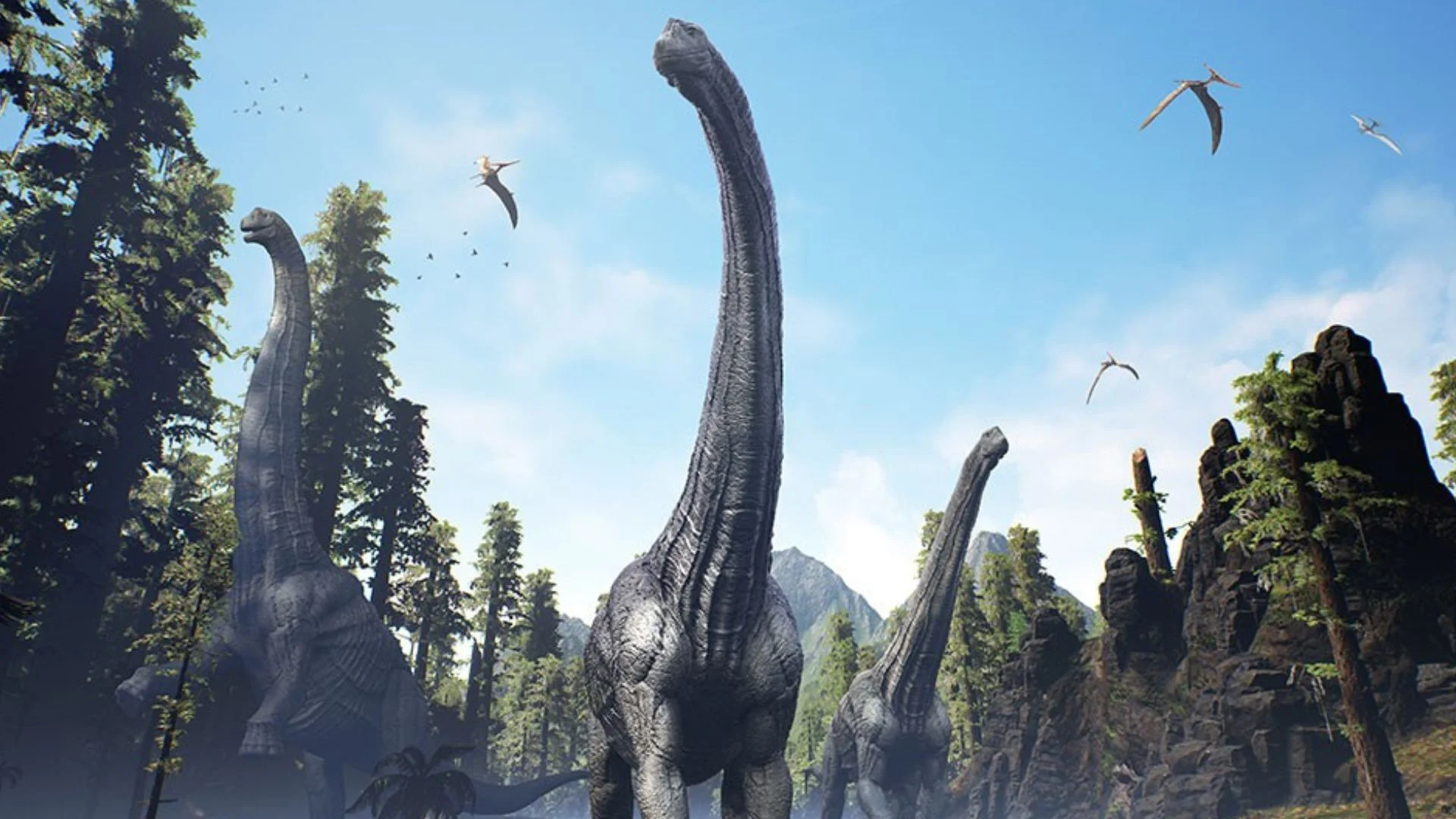
Researchers in Brazil have discovered a new species of giant dinosaur in the northeastern state of Maranhão.
The dinosaur, named Dasosaurus tocantinensis, measured about 20 meters in length and lived nearly 120 million years ago during the Cretaceous period.
The fossil was uncovered during construction work for a road-rail terminal in the city of Davinópolis. Scientists say the animal is now the largest dinosaur ever identified in Maranhão state.
The study describing the species was published in the Journal of Systematic Paleontology. Researchers believe the dinosaur belonged to a group of long-necked plant-eating dinosaurs known as sauropods.
READ ALSO: Radiant Wins 55% Faster NRC Review for First US Microreactor Factory in Tennessee
Sauropods were among the largest animals to ever walk the Earth. Famous members of the group include Brachiosaurus and Diplodocus.
Scientists said the closest known relative of the new Brazilian dinosaur lived in what is now Spain. That finding suggests ancient migration routes once connected parts of Europe, Africa, and South America before the continents fully separated.
Researchers believe the ancestors of the species traveled into South America through North Africa between 140 million and 120 million years ago. At that time, the continents were still linked as part of the southern supercontinent, Gondwana.
The discovery adds important evidence to the study of dinosaur evolution across continents. It also strengthens scientific understanding of how animals spread across prehistoric land connections before the Atlantic Ocean fully formed.
Dinosaur Fossils Found During Construction Project
The fossils were discovered by archaeologists monitoring the construction site as part of environmental licensing requirements. At first, the team believed the bones belonged to large prehistoric mammals that lived much later in history.
WATCH ALSO: Poland and Portugal Gain New Space Capabilities After ICEYE Launch
Professor Elver Luiz Mayer quickly recognized that the fossils were far older because they were buried nearly eight meters underground. He said the geological layer had already been dated to the transition between the Lower and Upper Cretaceous periods.
Mayer later contacted specialists from several Brazilian institutions to study the remains. The research eventually became a large multidisciplinary project involving experts in paleontology, geology, and fossil preparation.
Scientists recovered several important bones from the skeleton. These included tail vertebrae, ribs, foot bones, arm and leg bones, and a femur measuring about 1.5 meters long.
Professor Max Langer from the University of São Paulo said the fossil is considered relatively complete. Researchers believe additional bones from the same dinosaur may still remain buried at the site.
After preparation and analysis in Pará state, the specimen was transferred to São Luís in Maranhão. It is currently housed at the State Center for Natural History and Archaeology Research.
READ ALSO: DARPA XRQ-73 Hybrid-Electric Drone Begins Flight Testing at Edwards Base
The dinosaur’s name reflects the region where it was found. Researchers said Daso refers to forests and woodlands historically associated with Maranhão, while tocantinensis references the nearby Tocantins River.
Scientists also examined the microscopic structure of the dinosaur’s bones to better understand how it grew. Their analysis revealed growth patterns that combined traits seen in older sauropods and titanosaurs, another giant dinosaur group.
Titanosaurs became some of the largest land animals in Earth’s history during the Late Cretaceous period. Researchers say the new discovery suggests certain bone growth adaptations developed earlier than previously believed.
The findings may help explain how some dinosaurs evolved such enormous body sizes. Large bones with efficient internal structures likely helped support massive weight while allowing continued growth over many years.
The discovery also highlights the important role construction projects can play in paleontology. In countries like Brazil, dense vegetation and limited rock exposure often make fossil discoveries difficult without excavation work along roads, railways, or mining operations.
WATCH ALSO: Elon Musk’s Neuralink Robot Makes Brain-Computer Connection Possible
Researchers warned that construction activity can both reveal and damage valuable fossils. They stressed the importance of specialized monitoring to ensure scientifically important remains are preserved during major infrastructure projects.
The research team is now negotiating with the construction company to continue excavations at the site. Scientists hope more fossils will provide deeper insights into the species and the prehistoric ecosystems of ancient South America.
The discovery of Dasosaurus tocantinensis adds another major piece to the growing record of dinosaurs found in Brazil. Researchers say future discoveries in Maranhão may further reshape understanding of dinosaur migration, evolution, and survival across ancient continents.