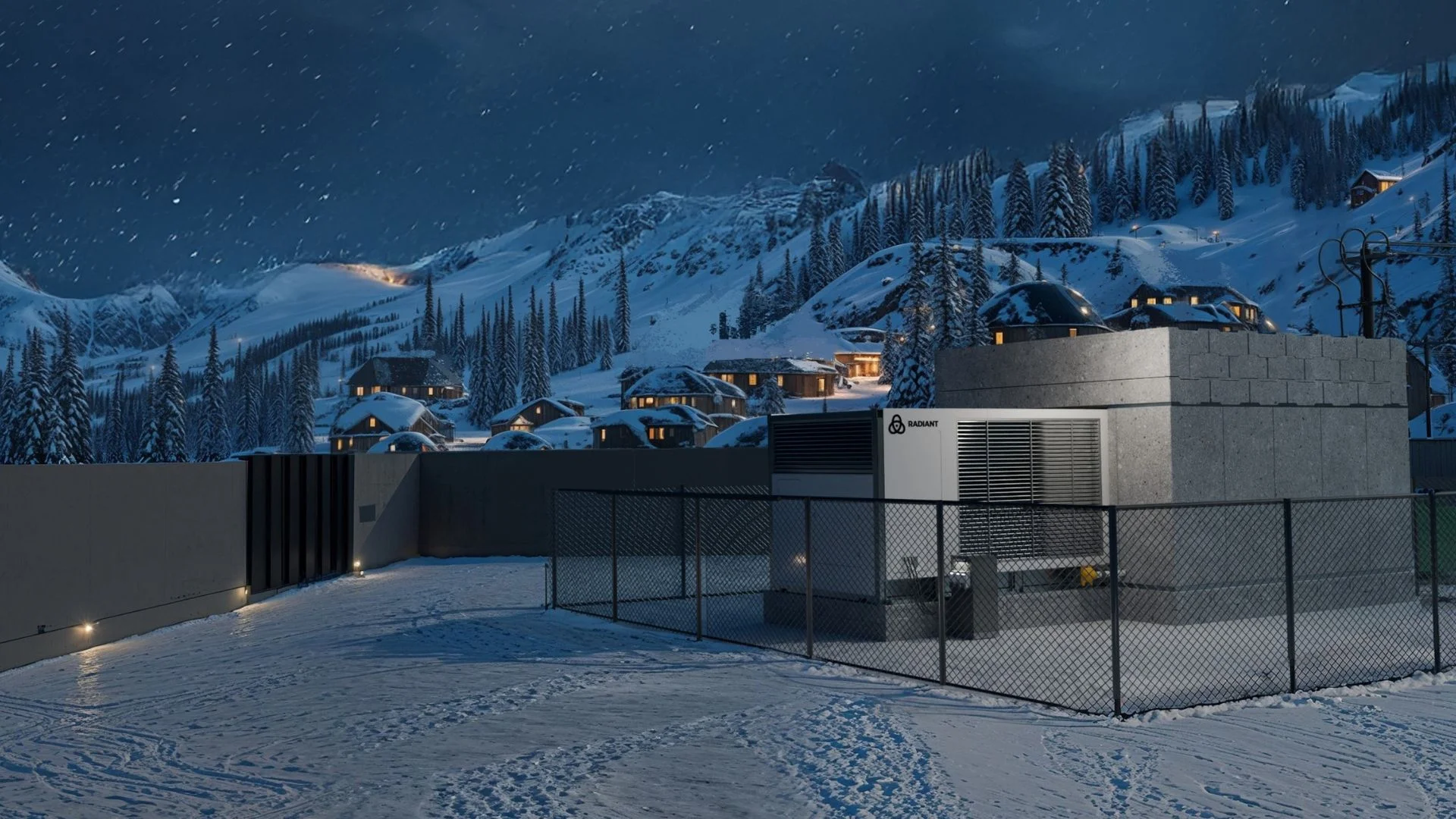
The US Nuclear Regulatory Commission(NRC) has accepted Radiant’s application to build its R-50 Production Facility in Tennessee.
The agency will review the application under an accelerated timeline and aims to complete the process within eight months. That is around 55% faster than the normal review period for this type of nuclear license.
NRC Fast-Tracks Radiant Nuclear Factory Review
The decision marks an important step for the growing microreactor industry in the US. It also signals increased government support for advanced nuclear energy projects designed to deliver smaller, more flexible power systems. The NRC said it will continue to apply strict safety standards during the faster review process.
READ ALSO: Turkey Unveils Nester ‘Flying Ginsu’ Missile for Precision Drone Assassination Strikes
NRC Chairman Ho K. Nieh said the agency wants to support advanced reactor technologies while improving efficiency in its licensing system. Radiant officials described the acceptance as the result of five years of technical work, testing, and documentation. The company also linked the review process to broader US efforts to speed up nuclear reactor deployment.
What the R-50 Facility Will Produce
The planned R-50 Production Facility will manufacture and test Radiant’s Kaleidos microreactors. These compact nuclear reactors are designed to provide reliable electricity in remote areas, military sites, industrial facilities, and locations with limited grid access. Unlike large nuclear plants, microreactors are built to operate on a much smaller scale and can be transported more easily.
The facility will use TRISO fuel, an advanced nuclear fuel designed for greater safety and durability. TRISO fuel contains tiny uranium particles coated with protective layers that help contain radioactive material even under extreme heat. Many advanced reactor companies are exploring the fuel because of its strong safety performance compared to traditional nuclear fuel systems.
WATCH ALSO: This Microsoft AI Could Change Cancer Treatment Forever
Radiant said the license falls under 10 CFR Part 70, which governs the use and handling of special nuclear material in the US. Securing this license is considered one of the biggest regulatory hurdles for advanced nuclear manufacturers. The NRC’s acceptance means the application includes enough technical detail for a full safety and operational review.
Why the Project Matters for US Energy
The project arrives as the US pushes to expand domestic energy production and strengthen advanced manufacturing. Interest in small nuclear reactors has grown because they can provide steady electricity without carbon emissions from fossil fuels. Technology firms, military agencies, and industrial operators are also seeking reliable power sources for energy-intensive operations.
READ ALSO: Blue Energy, GE Vernova Plan 2.5GW Texas Gas-Nuclear Project for AI Power Surge
Several countries, including China, Canada, and the UK, are investing heavily in next-generation nuclear systems. The US government has increased support for advanced reactors through funding programs and regulatory reforms to accelerate development. Companies hope smaller reactors will reduce construction costs and avoid delays that have affected large nuclear projects in the past.
Radiant said it will continue working closely with the NRC throughout the technical, environmental, and safety review process.
If approved, the Tennessee facility would become a major production center for advanced microreactors in America. The outcome of the review may also shape how quickly other advanced nuclear projects move forward across the country.