A new step in autonomous aviation has been demonstrated by Shield AI and Destinus, as both firms successfully completed a rapid integration of autonomy software on a live flight platform.
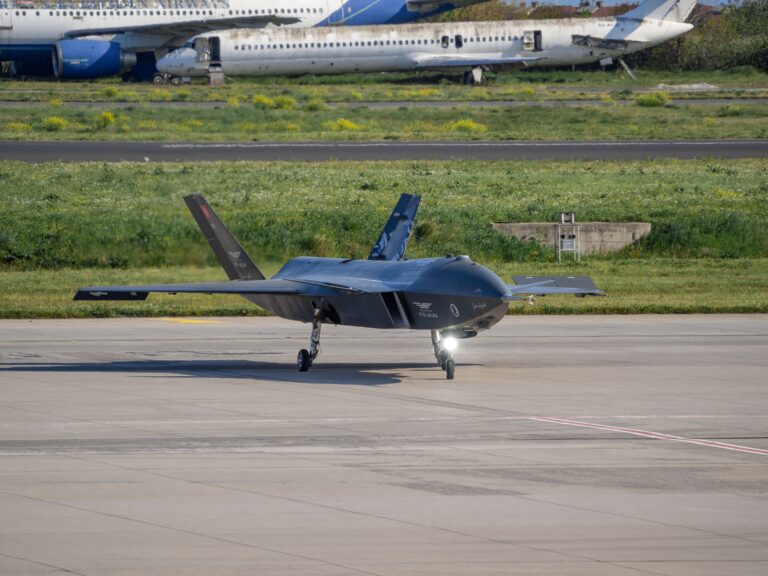
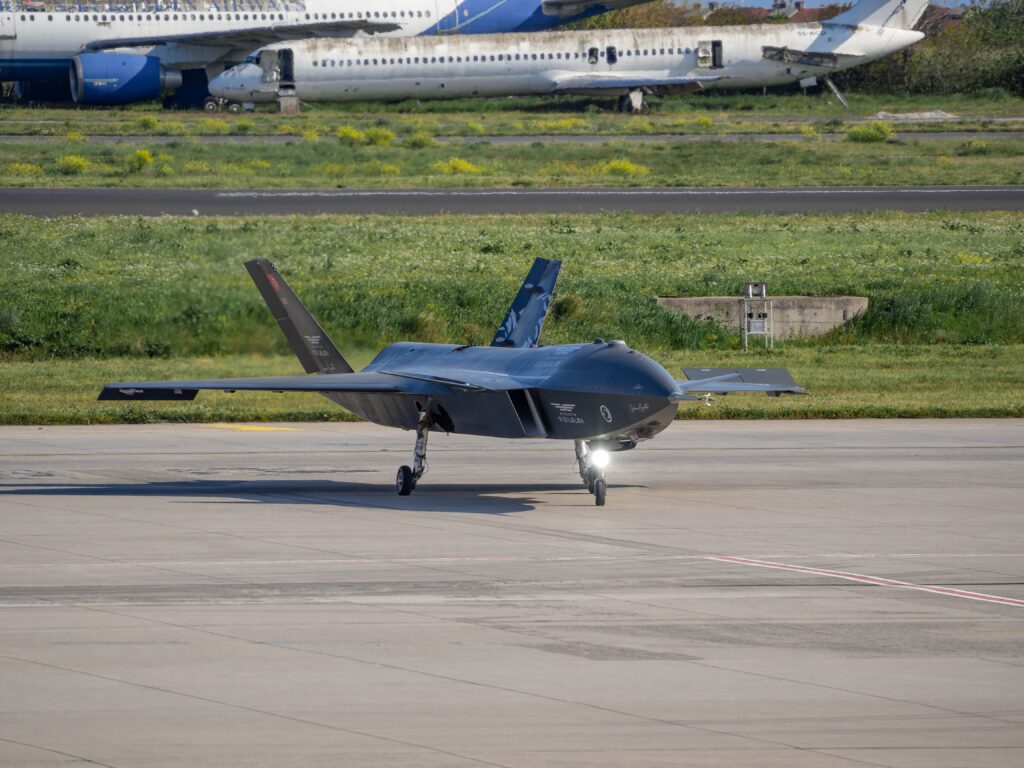
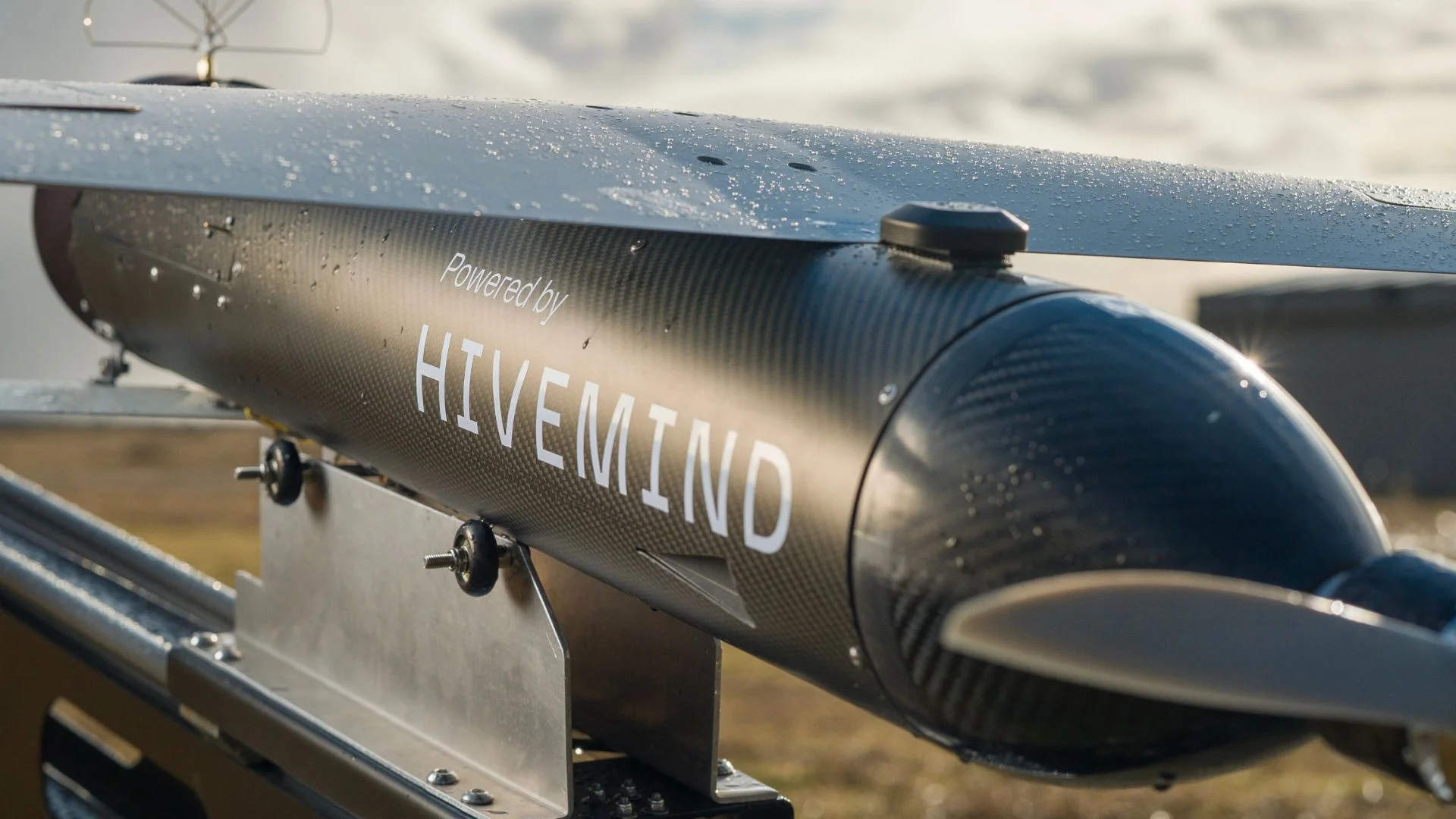
The companies announced that their joint testing campaign took place in Segovia, Spain. The trials focused on integrating Shield AI’s Hivemind autonomy software with the Destinus Hornet drone system. What makes this effort notable is the speed; the full integration was completed in just two months.
During the flight tests, the Hornet platform operated with Hivemind controlling key decisions. The system adjusted flight paths in real time without human intervention. It responded to changing conditions mid-air, including updates to restricted zones, also known as geofenced areas.
READ ALSO: US Space Force Picks 12 Firms To Build Golden Dome Space Missile Shield
Instead of stopping the mission or requiring manual updates, the drone adapted instantly. This showed that advanced autonomy can operate smoothly even in dynamic, unpredictable environments.
Christian Gutierrez, Vice President of Hivemind Solutions at Shield AI, emphasized the importance of speed in modern operations. He said operational needs are changing quickly, and autonomy must keep up. He added that the collaboration proves that Hivemind can be rapidly deployed on new platforms to meet emerging demands.
The Hornet drone served as the starting point for a larger plan. This initial phase focused on validating the integration process and reducing technical risks. By using a baseline system first, the companies aim to scale the technology across other platforms more efficiently.
Tim Moser, Chief Technology Officer at Destinus, highlighted the importance of fast deployment. He said speed plays a critical role in today’s threat landscape. He explained that Hivemind’s modular design made it easier to integrate with their flight control and mission systems.
WATCH ALSO: This Microsoft AI Could Change Cancer Treatment Forever
He also noted that because Destinus platforms share a similar architecture, the same capabilities can be extended across their wider fleet.
The Destinus Hornet itself is designed as a multi-role autonomous system. Its main purpose is countering unmanned aerial threats and conducting strike missions. It can intercept loitering munitions and other hostile drones. At the same time, it supports reconnaissance, communication relay, and security operations as needed.
The system is part of a layered air defense approach. This means it works alongside other technologies to protect critical infrastructure and high-value locations.
Hivemind, on the other hand, is built to be flexible and adaptable. It is platform-agnostic, meaning it can work across different types of systems. It enables multiple assets, such as surveillance and strike units, to operate together as a coordinated team.
READ ALSO: France’s 68mm Anti-Drone Rocket for Rafale and Tiger Fills Missile Defense Gap
This capability helps shorten the time between identifying a target and taking action. It also improves precision and decision-making speed while keeping humans in control. The system is designed to support operators, not replace them, ensuring clear command structures remain in place.
Looking ahead, both companies plan to expand testing. Future phases will include more complex mission planning, terrain-aware navigation, and coordinated operations across multiple platforms.
These developments point toward a future in which autonomous systems can operate seamlessly, respond instantly, and adapt in real time, while supporting human decision-makers in increasingly complex environments.