France is accelerating efforts to counter drones by developing a low-cost 68 mm laser-guided rocket for efficient interception of unmanned aerial vehicles.
The system aims to fill an essential gap between short-range guns and long-range missiles.
The project was announced on April 23, 2026, by France’s defense procurement agency, the DGA. The decision follows recent operational lessons, especially from engagements involving Iranian-made drones in the Middle East. These real-world scenarios exposed weaknesses in existing air defense systems.
Modern battlefields are shaped by drones. These aircraft are often small, cheap, and deployed in large numbers. This creates a problem for advanced militaries. High-cost missiles are often used to destroy low-cost drones, leading to an unfavorable cost balance.
READ ALSO: China’s Predator Micromotor Tracks Ocean Uranium Using Light for Nuclear Fuel
France’s new rocket directly addresses this issue. It is designed to engage targets at a range of 2 to 5 kilometers. This sits between gun systems, which are effective up to around 2.5 kilometers, and missile systems, which are typically used beyond 10 kilometers. Until now, this middle range lacked a cost-effective solution.
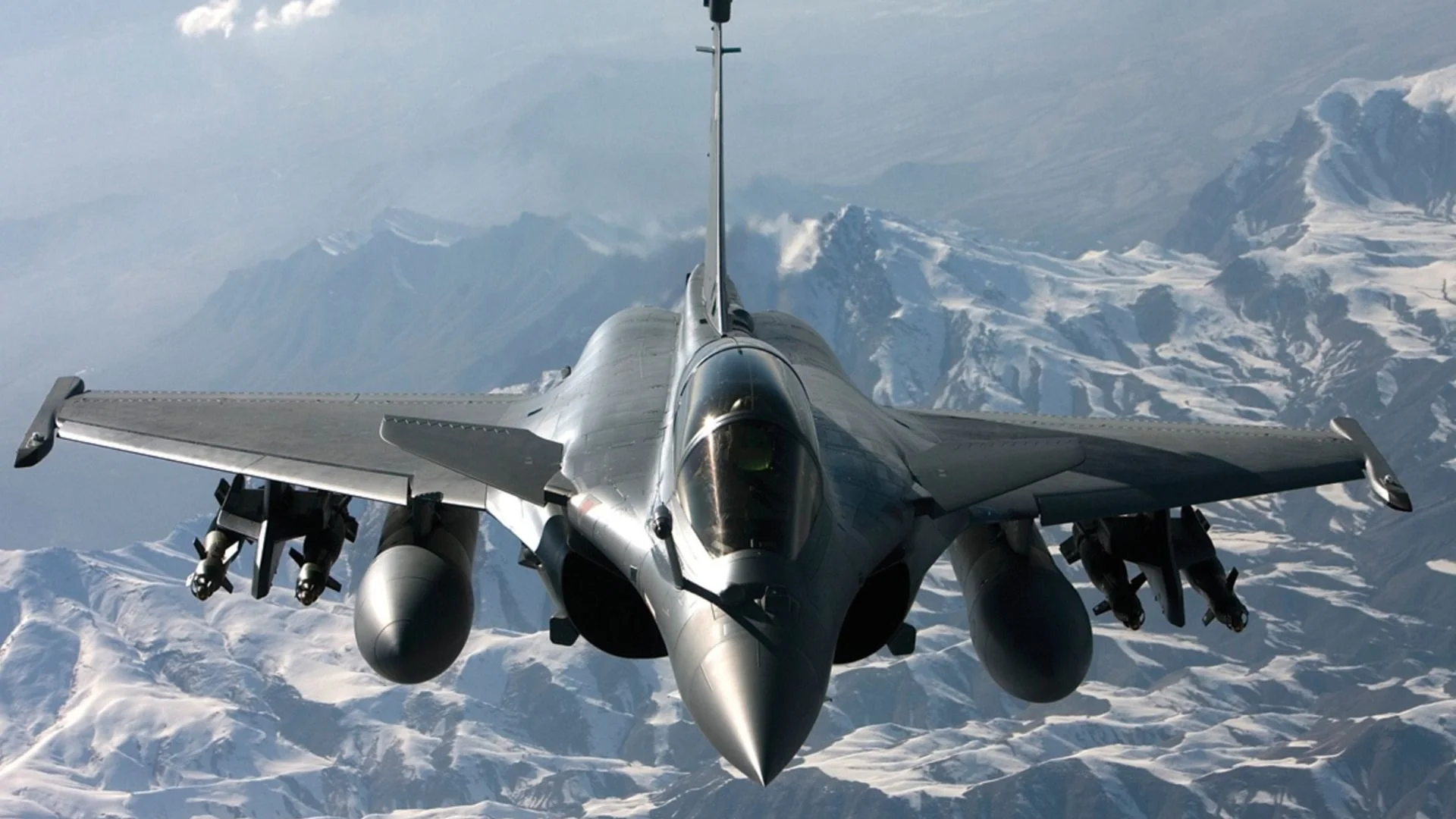
The rocket will be integrated into two key platforms: the Rafale fighter jet and the Tiger attack helicopter. Flight testing is planned for June 2026, with deployment expected within months. The timeline reflects a shift in how France handles defense development, with a focus on speed and rapid delivery.
Procurement processes have been significantly shortened. In some cases, industrial orders were issued within 48 hours. This rapid approach is supported by new organizational changes, including dedicated expert teams that bring together engineers, procurement specialists, and operational staff under one roof.
WATCH ALSO: Humanoid robot plays table tennis like human beings
The urgency behind the program became clear earlier in 2026. France deployed four Tiger helicopters and six Rafale jets to the United Arab Emirates. Their mission was to support defenses against Iranian drones.
During these operations, Tiger helicopters achieved their first confirmed drone interceptions. They used a 30 mm cannon, capable of firing up to 720 rounds per minute, with an effective range of about 2,500 meters. However, these engagements required precise tracking and positioning.
The helicopters relied on visual and electro-optical systems, supported by network data links such as Link 16. Without onboard radar, they needed external guidance to locate and track targets.
Rafale jets used a different approach. They intercepted drones using MICA air-to-air missiles. These missiles are highly capable but come at a high cost. Each unit can cost between €600,000 and $1 million.
This created a serious imbalance. The drones being targeted, such as the Shahed models, are estimated to cost between $20,000 and $50,000. This results in a cost ratio of up to 50:1, which becomes unsustainable during repeated or large-scale attacks.
READ ALSO: Robotic Hand Achieves 91% Success Grasping Fragile Objects on First Attempt
Gun systems offer a cheaper alternative, but they come with limitations. Aircraft must get close to the target, often within 2.5 kilometers. This increases risk and reduces flexibility in combat situations.
The new 68 mm guided rocket is designed to solve both problems. It allows aircraft to engage drones earlier, at a safer distance, and at a cost closer to the value of the target.
The system is based on France’s existing 68 mm rocket inventory. Historically, more than 90 percent of these rockets were unguided, with over 60,000 units produced. While effective in some roles, unguided rockets lack precision against small, fast-moving drones.
The new design introduces guidance technology. One example is the Aculeus LG rocket, which measures about 1.4 meters in length and weighs 8.8 kilograms. It uses semi-active laser guidance to track and hit targets with high accuracy.
Its operation is straightforward. After launch, the rocket’s motor burns for about one second. It then follows a ballistic path before adjusting its course in the final phase using laser targeting. This allows a single rocket to hit a target directly.
WATCH ALSO: Apple launches iPhone 17 lineup with contoured edges, and thinner borders
This is a major improvement over unguided systems. In previous setups, multiple rockets, sometimes 5 to 20, were needed to hit a single drone. Even then, success was not guaranteed.
Guided rockets change that equation. They reduce ammunition use by up to 95 percent and increase the probability of a successful hit. Overall effectiveness rises from below 10 percent to over 70 percent.
The cost is also more balanced. Each guided rocket is estimated to cost between $25,000 and $40,000. This aligns closely with the cost of the drones they are designed to intercept.
The rocket can carry various warheads, including fragmentation variants optimized for drones. It also uses modern features like induction-based ignition and programming, allowing quick setup before launch.
On the Rafale, the rockets are carried in pods that each hold 12 rounds. A typical configuration includes two pods, giving a total of 24 rockets per aircraft. This allows multiple engagements in a single mission.
The aircraft uses its TALIOS targeting pod to guide the rockets. This system provides laser designation and tracking, enabling precise strikes at maximum range.
READ ALSO: ASU Air Muscles Let Robots Lift 100x Weight; No Wires, No Limits, Just Power
Tiger helicopters offer even greater capacity. They can carry 22-tube launchers, allowing sustained engagements against multiple targets. This makes them well-suited for defending against swarm attacks.
The new rocket fits into a broader air defense strategy. It acts as a middle layer between guns and missiles, covering the 2 to 5 kilometer range. This reduces pressure on inner defense systems and improves overall coverage.
It also enhances survivability. By engaging drones earlier, aircraft spend less time exposed to threats. This is especially important in high-risk environments.
France is also upgrading its support systems. Link 16 data links have been rapidly installed on Tiger helicopters, enabling real-time data sharing. Integration that once took over a year was completed in just weeks.
Additional systems, such as the Mistral-3 missile, have also been tested, providing additional engagement options. Meanwhile, specialized centers like CERLAD are working on counter-drone technologies and testing new solutions.
The development effort relies heavily on France’s existing defense industry. The goal is to move from testing to deployment quickly, without long delays.
WATCH ALSO: This robotic system to pick strawberries automates tough tasks
The shift reflects a broader change in military thinking. Instead of relying solely on high-end weapons, there is a growing focus on scalable, cost-effective solutions.
As drone threats continue to evolve, systems like the 68 mm guided rocket offer a practical way to respond. They balance cost, range, and efficiency, making them a key part of modern air defense.
France’s approach shows how lessons from real operations can drive rapid innovation. By closing the gap between guns and missiles, the new rocket strengthens defenses and prepares for the challenges of future warfare.