A new method using plasma and a substance found in lemons could change how the world recycles batteries.
Researchers at Rice University have developed a technique that recovers nearly 95% of the valuable minerals from used lithium-ion batteries. The process is faster, cleaner, and more efficient than existing methods. It could help solve a growing global problem.
Why Battery Waste Is a Concern
Lithium-ion batteries power everything from smartphones to electric vehicles. But once they are used, most are thrown away. This creates two major issues.
First, important minerals like lithium, cobalt, and nickel are lost. These materials are limited and mostly found in a few regions around the world.
Second, discarded batteries can leak toxic chemicals into the environment.
READ ALSO: Joby eVTOL Air Taxi Flies Pilotless Across Bay: Is Urban Air Travel Finally Here?
“Recycling waste batteries is the most practical solution,” said Gautam Chandrasekhar. “But less than 10% of battery waste is actually recycled.”
The new method focuses on a substance known as black mass. Black mass is produced when old batteries are shredded. It contains a mix of valuable materials, including metals and graphite.
Traditionally, extracting these materials requires high heat and strong acids. These processes use a lot of energy and often fail to recover all components.
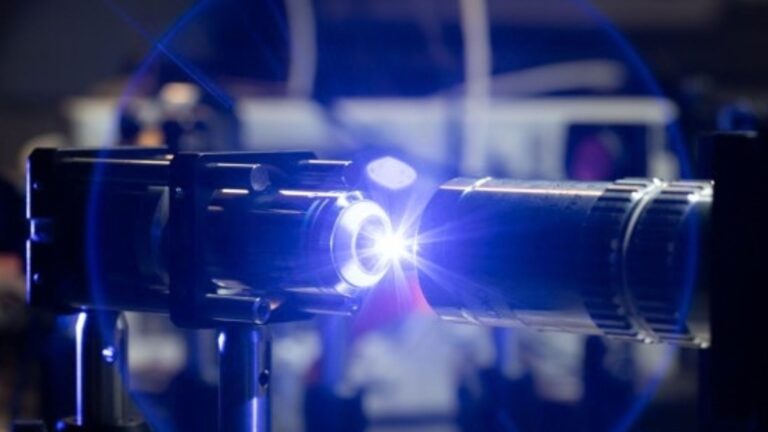
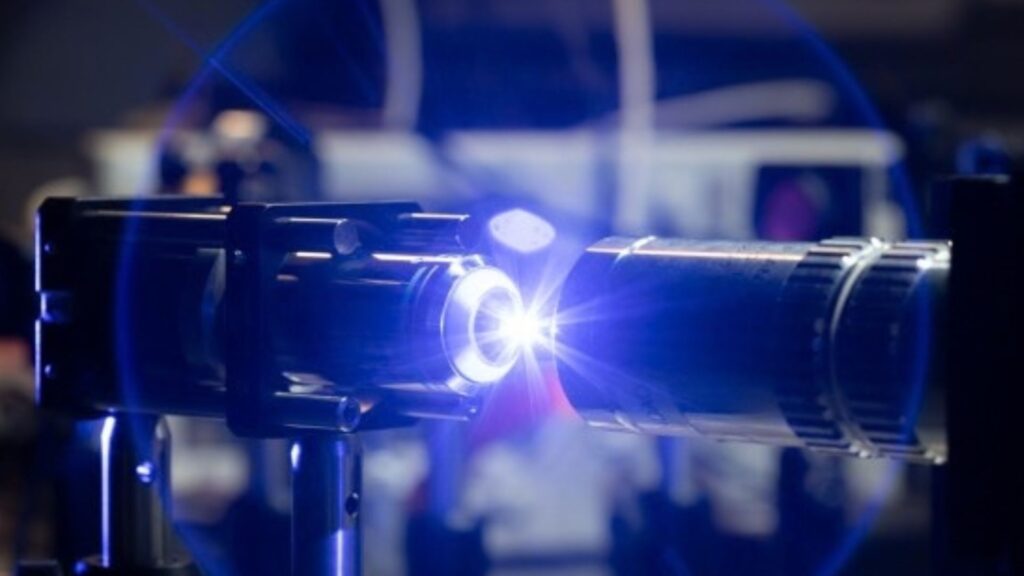
The new technique changes that. Researchers use a short, 15-minute plasma treatment before extraction. Plasma is a highly energized gas made of charged particles. It helps break down the material inside the black mass. After this step, the minerals can be extracted using mild solutions.
One of the most surprising parts of the process is the use of citric acid. Citric acid is a natural compound found in lemons. It is much safer than the strong acids used in industrial recycling.
“With plasma pretreatment, almost 95% of metals can be recovered using nothing harsher than the acid found in a lemon,” Chandrasekhar said.
The process operates at room temperature, further reducing energy use. The method is not just efficient, it is also more complete. In many current systems, lithium is difficult to recover. Graphite, which makes up a large part of the battery, is often damaged and discarded.
WATCH ALSO: ISRO successfully conducts test of main parachutes for Gaganyan Crew module
The new process solves both problems. Lithium can be separated using water, while graphite remains intact and usable.
“This is one of the most important parts of battery recycling,” said Sohini Bhattacharyya. “Graphite is a major component, and it is difficult to replace.”
The recovered graphite is not just reusable; it performs well. Tests show it can be reused as an anode in new batteries without losing efficiency. The process also removes defects and residues that build up during battery use. This improves the quality of the recycled material.
At the same time, the method reduces environmental impact by avoiding harsh chemicals and high temperatures. The research team designed the process to fit into existing recycling systems.
“We wanted a method that improves current processes without replacing them,” Bhattacharyya said.
The plasma step can be added as a simple pretreatment stage. This makes it easier for industries to adopt the technology.
The team used a custom-built microwave plasma reactor to test the idea. After just 15 minutes of treatment, more than 90% of metals were recovered using mild solutions.
READ ALSO: A 150-Year-Old Geometry Rule Just Failed; Mathematicians Found the Proof
The technology has already been patented. Researchers are now working to bring it to market. Early studies suggest it could be more cost-effective than current methods.
“This is a breakthrough methodology,” said Pulickel Ajayan. “It recovers critical minerals with minimal energy and chemical use.”
As demand for batteries continues to grow, so does the need for better recycling. This new method offers a promising solution.
By using plasma and simple, safe materials, it recovers more value from waste while reducing environmental harm. It also helps secure the supply of essential minerals needed for future technologies.
In a world moving toward cleaner energy, innovations like this could make a big difference, one recycled battery at a time.