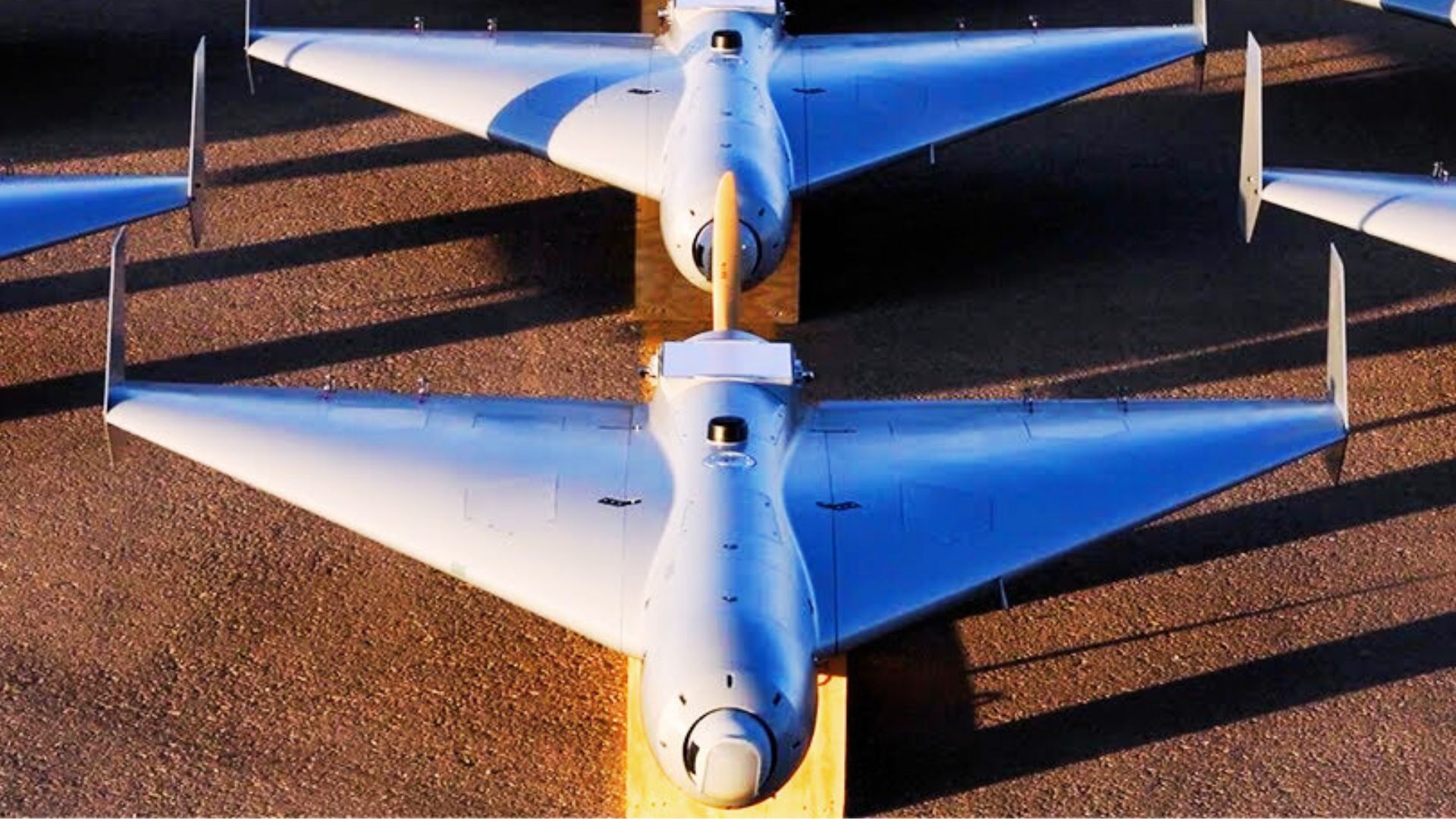
The Pentagon is preparing to mass-produce a new class of low-cost combat drones to boost military strategy.
Instead of relying solely on expensive systems, the focus is now on affordable, scalable weapons.
The drone, called the Low-cost Uncrewed Combat Attack System (LUCAS), is inspired by Iran’s Shahed-136. US engineers studied drones recovered from battlefields in Ukraine. These drones were originally used by Russia but designed by Iran.
Reportedly, the new system has already shown promising results.
Emil Michael, Undersecretary of Defense for Research and Engineering, said, “We continue to refine it and make it something we can mass produce at scale. It has worked very well and proven to be a useful tool in the arsenal.”
Drone’s Design and Technical Features
LUCAS is a “one-way attack drone.” It is designed to fly toward a target and explode on impact. This makes it simple, effective, and cheaper than reusable drones.
READ ALSO: From Parking Lots to Subways: Japan’s 1,500 Shelters Hide Important Safety Features
The drone uses a small engine and a lightweight structure. It can travel long distances at low altitude. This helps it avoid radar detection. It also relies on GPS-based navigation systems to reach targets with reasonable accuracy.
Some versions may include basic sensors or pre-programmed targeting systems. These allow the drone to strike fixed locations such as infrastructure, military bases, or vehicles.
Unlike advanced drones, LUCAS does not require complex remote piloting. This reduces both cost and training needs.
Cost Advantage Drives Strategy
One of the biggest advantages of LUCAS is its low cost. Each unit is estimated to cost between $25,000 and $50,000. Reports suggest an average cost of about $35,000.
This is far cheaper than traditional US systems. For example, the MQ-9 Reaper drone costs about $16 million per unit.
WATCH ALSO: YouTuber captures lightning in a bottle during stunning experiment
The price difference is shaping battlefield decisions. In recent conflicts, the US has used missiles costing up to $2 million to destroy drones worth only a few thousand dollars.
This imbalance has raised concerns within the Pentagon.
Iran’s Shahed drones have played a major role in modern warfare. They are cheap, easy to produce, and effective in large numbers.
In recent fighting, such drones caused significant damage. Reports say they were responsible for deadly attacks, including an incident that killed six US service members in Kuwait on March 1.
The same type of drones has also been used in the Russia-Ukraine war since 2022. Iran has supplied these systems to Russia, which later began producing them domestically.
Russia is now improving the technology. Reports suggest newer versions have better navigation systems and can resist electronic jamming. These upgrades make them harder to stop.
Defending against such drones remains a challenge. Missile systems are effective but extremely costly.
Laser weapons are being explored as a cheaper option. They can shoot down drones for less than $5 per shot. However, lasers struggle in bad weather and dusty environments. This limits their use in desert regions.
Because of these challenges, the Pentagon is focusing on matching low-cost threats with low-cost solutions.
Pentagon’s Strategic Shift in Warfare
The move toward LUCAS reflects a broader change in military thinking. Instead of relying only on high-end technology, the Pentagon is now investing in systems that can be produced quickly and used in large numbers.
READ ALSO: Artemis II Nears Launch, But Its Story Began 100 Years Ago with Goddard’s Rocket
This approach allows for greater flexibility in combat. It also reduces the financial burden of prolonged conflicts.
At the same time, it highlights the growing importance of drone warfare. Cheap and effective drones are now shaping battlefields around the world.
As the Pentagon pushes forward with mass production, LUCAS could become a key part of future US military operations.