The Japanese government has identified nearly 1,500 additional locations that can serve as emergency shelters in the event of missile or bomb attacks.
Japan is stepping up its civil defence preparedness amid growing security concerns across East Asia.
The move reflects rising anxiety over regional threats, especially from North Korea and China. Officials say the new shelters are part of a broader effort to protect civilians in the event of a worst-case scenario.
Shelters to Reshape Security Thinking
According to government data, 1,489 new facilities have been confirmed as suitable for short-term protection. These include underground car parks and subway stations. Authorities plan to integrate them into Japan’s existing shelter network.
Japan already has more than 61,000 designated shelter locations. Together, these can accommodate around 10.8 million people. This is slightly less than 9 percent of the country’s population.
The expansion is not uniform across the country. Some regions feel more exposed than others.
Stephen Nagy, a professor of international relations in Tokyo, said people living in major cities may not feel immediate fear. However, he noted that residents in frontier regions face greater risks.
WATCH ALSO: EHang’s next-gen autonomous eVTOL completes first public flight
He pointed to Okinawa prefecture as a key example. Remote islands such as Yonaguni are located close to Taiwan. The island lies just 111 kilometres away and hosts a Self-Defence Force base.
Japan plans to deploy Type-03 medium-range surface-to-air missiles on Yonaguni by 2031. Defense officials confirmed the move earlier this year. China has already protested against the deployment.
Nagy said these areas are increasingly seen as Japan’s front lines. He added that people there are more aware of potential threats.
Northern regions also remain vulnerable. In recent years, North Korean missiles have flown over parts of Japan.
In 2017, a Hwasong-12 missile crossed Hokkaido. The incident triggered the J-Alert warning system and caused widespread panic. In October 2022, another ballistic missile passed over the Tohoku region.
READ ALSO: Terrific ‘Black Rain’ Falls On Iran After US-Israel hit Tehran’s Oil Fields
More recently, North Korea carried out fresh missile tests. Reports say at least 10 short-range rockets were launched. They landed in the Sea of Japan, outside Japan’s exclusive economic zone.
Prime Minister Sanae Takaichi has warned that Japan faces its most severe security environment since World War II. She said the situation is both complex and dangerous.
Nagy said the government is trying to reassure citizens, especially those in high-risk areas. He added that policymakers now believe Japan faces greater threats than before.
He said estimates suggest North Korea could possess up to 750 nuclear warheads by 2035. At the same time, China is rapidly expanding its military capabilities.
“These developments are forcing Japan to rethink its defence strategy,” Nagy said. “The country is preparing for scenarios that were once considered unlikely.”
READ ALSO: MIT Engineers Develop Breath Test That Can Detect Pneumonia in Minutes Without X-Rays
Global conflicts have also influenced Japan’s approach. Recent wars have shown how civilian areas can become targets.
The war in Ukraine highlighted the need for shelters as cities came under repeated attack. Similarly, conflicts in the Middle East have shown how quickly situations can escalate.
Japanese officials say these examples underline the importance of readiness. They believe shelters can save lives during emergencies.
Concerns have also been raised by reports about potential targets in Japan. A media report in late 2024 claimed that Russia had drawn up a list of sites in Japan and South Korea.
The list reportedly included both military and civilian infrastructure. Airports, naval bases, and radar facilities were mentioned. Civilian targets such as nuclear plants, bridges, and factories were also included.
WATCH ALSO: 6-ton tiltrotor aircraft completes first flight in China
Although the report was not officially confirmed, it added to existing fears.
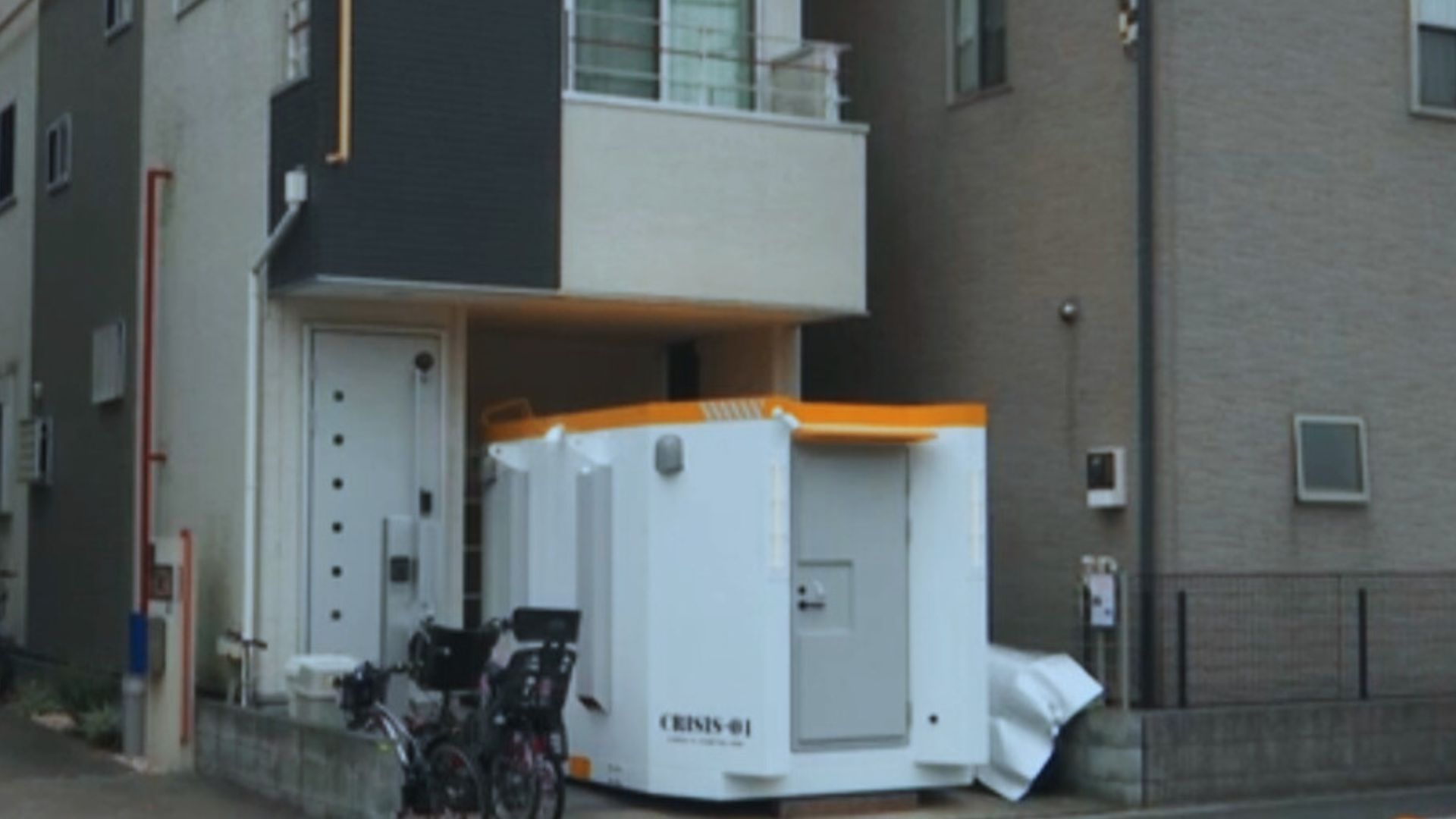
The private sector is also responding to the changing environment. Demand for personal and corporate shelters is rising.
The Japan Nuclear Shelter Association said it has seen a sharp increase in inquiries. The group plans to showcase new bunker designs at a disaster prevention event in Osaka.
In a statement, the association said the worsening security situation is driving interest. It added that shelters are not only useful for war scenarios but also for natural disasters.
READ ALSO: China’s Industrial Robot Surge Hits 31%: What’s Driving This Sudden Factory Shift?
Japan frequently faces earthquakes and typhoons. Officials believe multipurpose shelters can offer protection in both situations.
The government has made the development of shelters a priority. Under the current administration, ministers have been instructed to strengthen evacuation infrastructure.
Experts say this marks a clear shift in Japan’s defence thinking. The focus is no longer limited to military response. Civilian protection is becoming equally important.
As tensions rise in East Asia, Japan appears determined to prepare for the unexpected.