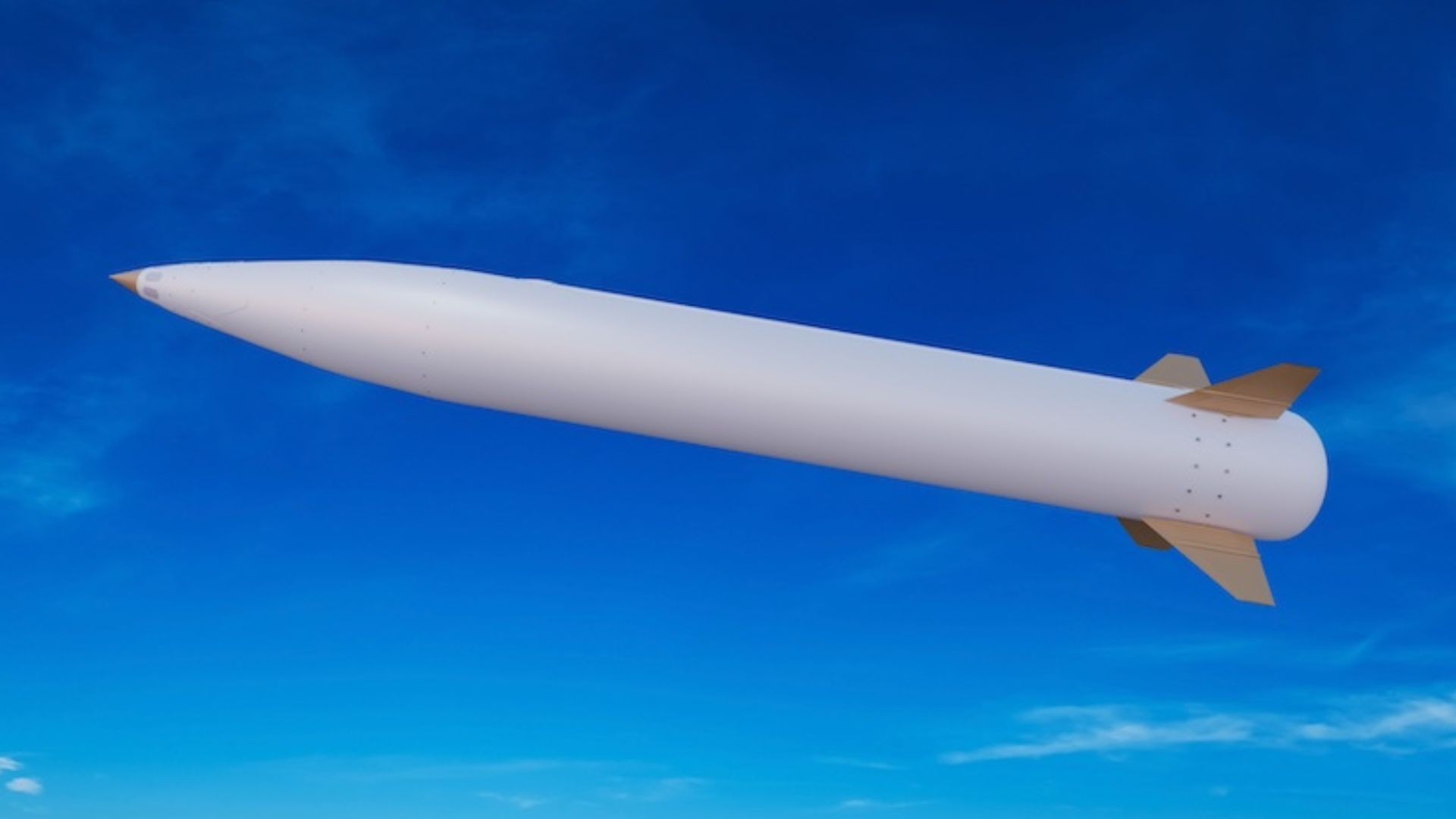
Lockheed Martin has successfully conducted the first flight test of the Precision Strike Missile (PrSM) Increment 2, a major development in the US Army’s effort to expand its long-range strike capabilities.
The test marked an important milestone for the next phase of the Army’s long-range fires modernization program. During the trial, the missile was launched from the High Mobility Artillery Rocket System (HIMARS) and flew roughly 350 kilometers.
Engineers collected a wide range of performance data during the flight. The test also demonstrated the missile’s new multi-mode seeker, which enables it to identify and track moving targets.
PrSM Increment 2 introduces an upgraded guidance system designed to detect and lock onto time-sensitive targets. The multi-mode seeker enables the missile to engage both moving land targets and maritime threats.
This new capability expands the role of the Precision Strike Missile beyond its original land-attack mission. With the upgrade, the system can support maritime strike operations and contribute to sea-denial missions in joint combat environments.
The expanded mission profile allows the US Army to strike relocating or fleeting targets more effectively during multi-domain operations.
READ ALSO: Future Air Travel? China Flies 10-Passenger ‘Matrix’ Electric Air Taxi Prototype
The upgraded missile remains compatible with the Army’s current launch platforms, including the HIMARS and the M270A2 Multiple Launch Rocket System.
Maintaining compatibility with these systems allows the Army to deploy the new capability without major changes to existing infrastructure. This approach also simplifies logistics and helps speed up the fielding of the upgraded missile.
Lockheed Highlights Importance of Long-range Fires
Carolyn Orzechowski, vice president of Precision Fires Launchers and Missiles at Lockheed Martin, said the new missile directly responds to the Army’s operational requirements.
“With Increment 2, PrSM delivers the long-range capability the Army asked for to defeat moving land and maritime threats,” Orzechowski said.
She added that the company remains focused on delivering advanced capabilities to support the Army’s future missions.
WATCH ALSO: HMND-01 Alpha Shows How Simulations Fast-Track Humanoid Robots
“Our focused investment and accelerated delivery demonstrate our unwavering commitment to the Army customer,” she said.
Gaylia Campbell, vice president and general manager of Lockheed Martin Tactical Missiles, highlighted the role of digital engineering in advancing the program.
“Lockheed Martin is investing in advanced development and digital engineering to accelerate the fielding of PrSM Increment 2,” Campbell said.
She also emphasized the importance of collaboration and modular design in speeding up development.
“By leveraging modular design, agile processes, and close collaboration with the Army and our supplier network, we are moving quickly to deliver this enhanced capability to the warfighter faster without compromising performance or reliability,” Campbell said.
READ ALSO: World’s First Ammonia-Powered Offshore Vessel Set to Launch This Autumn
The PrSM Increment 2 program is currently moving through the technology maturation phase. A Preliminary Design Review is also underway as part of the development process.
Lockheed Martin plans to conduct additional flight tests later this year as the program advances toward operational capability.
The Precision Strike Missile is expected to play a key role in strengthening the US Army’s long-range precision strike capabilities in future conflicts.