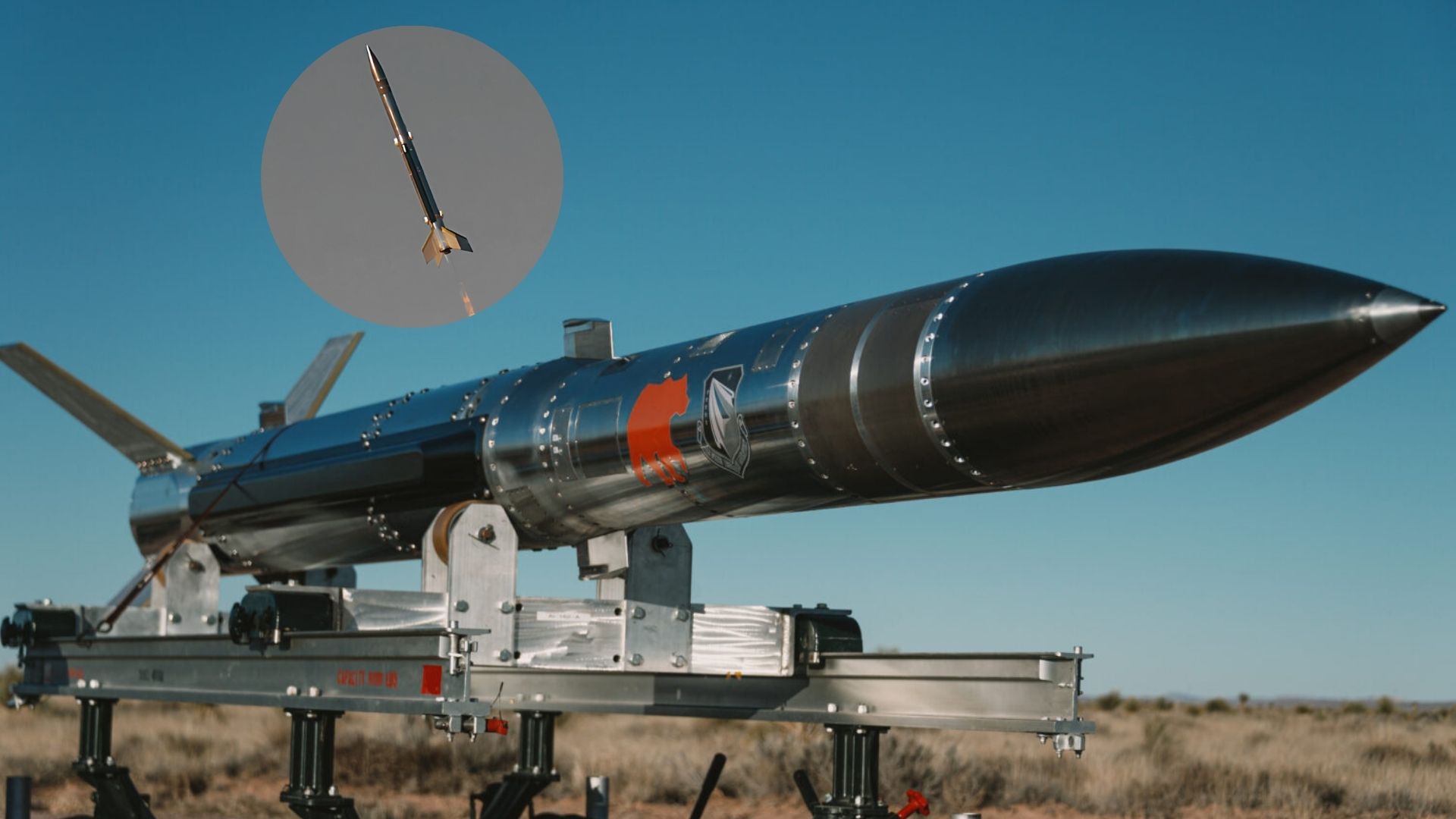
The US Air Force Research Laboratory (AFRL) and aerospace company Ursa Major have successfully demonstrated the Draper liquid rocket engine during a recent missile test flight.
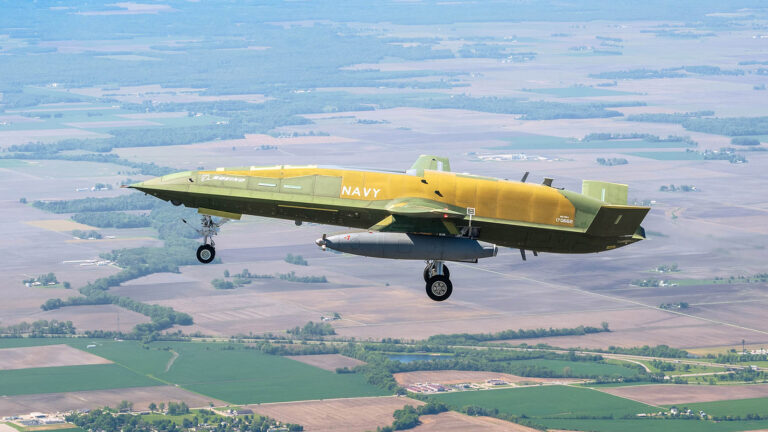
The engine powered the Affordable Rapid Missile Demonstrator (ARMD), which reached supersonic speeds during the trial.
The flight marks an important step in developing faster, more affordable missile systems for future military operations.
The test highlights the growing role of liquid rocket propulsion in next-generation weapons. Unlike many traditional missile engines, the Draper engine uses storable liquid propellants.
This design allows the missile to remain ready for use for longer periods while still providing strong and controllable thrust during flight.
AFRL said the ARMD program aims to explore new technologies that can provide rapid global strike capability while keeping costs low. The successful flight also increased the technology readiness level of the Draper engine, moving it closer to operational use.
READ ALSO: Quantum Computing Mystery: US Scientists Go 350 Feet Underground to Solve Long-Standing Puzzle
Brig. Gen. Jason Bartolomei, AFRL commander and Air Force Technology Executive Officer, said the project shows how new acquisition models can accelerate innovation.
“This project proves that we can transform and leverage our acquisition models to rapidly deliver critical technology advancements to deter and win in a future conflict,” Bartolomei said. “We are not just building a single missile; we are forging a new path toward a cost-effective, mass-producible deterrent for the nation.”
The Draper engine builds on Ursa Major’s earlier work on its Hadley liquid rocket engine. Engineers used that experience to design a propulsion system that is safer, easier to store, and capable of throttle control. These features allow operators to adjust thrust during flight, thereby improving accuracy and mission flexibility.
Ursa Major CEO Chris Spagnoletti said the project demonstrated how quickly modern missile systems can move from concept to flight testing.
WATCH ALSO: Skid AI to boost development of its robotic intelligence platform, raises USD 1.4 billion
“This flight proves that you can get a vehicle with a safe, storable, and throttleable liquid engine in the air quickly and affordably,” Spagnoletti said. “We went from contract to a flight-ready propulsion system and missile in just eight months.”
Draper Rocket Engine
One of the key advantages of the Draper engine is its use of storable liquid propellants. Unlike cryogenic fuels, which require special handling and constant cooling, these propellants can be stored inside the missile for extended periods. This makes the system more practical for operational deployment and rapid launch scenarios.
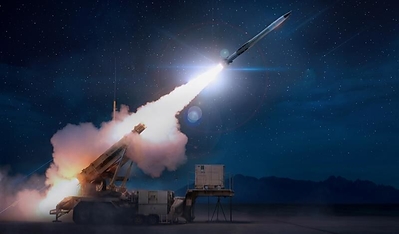
The ARMD missile was launched from a Transportable Target Launcher during the demonstration. The vehicle had been prepared and positioned on a specialized air-log cart before launch. The test confirmed that the Draper engine can reliably power a missile through high-speed flight.
AFRL Rocket Propulsion Division Chief Dr. Javier Urzay said the demonstration represents a major step forward for advanced propulsion technology.
“ARMD represents a key milestone in our efforts to develop revolutionary, affordable, and scalable liquid rocket engine technologies to win the wars of tomorrow,” Urzay said.
READ ALSO: Mars’ Water Mystery: Dust Storms Reveal Clues to Red Planet’s Ancient Water
The collaboration between AFRL and Ursa Major reflects a growing trend in US defense development. Public-private partnerships enable government research organizations to work closely with commercial aerospace companies, accelerating innovation and reducing costs.
The Draper liquid rocket engine could play a major role in future US missile systems. Its combination of rapid production, controllable thrust, and long-term storage capability may help the military deploy large numbers of affordable high-speed weapons in future conflicts.