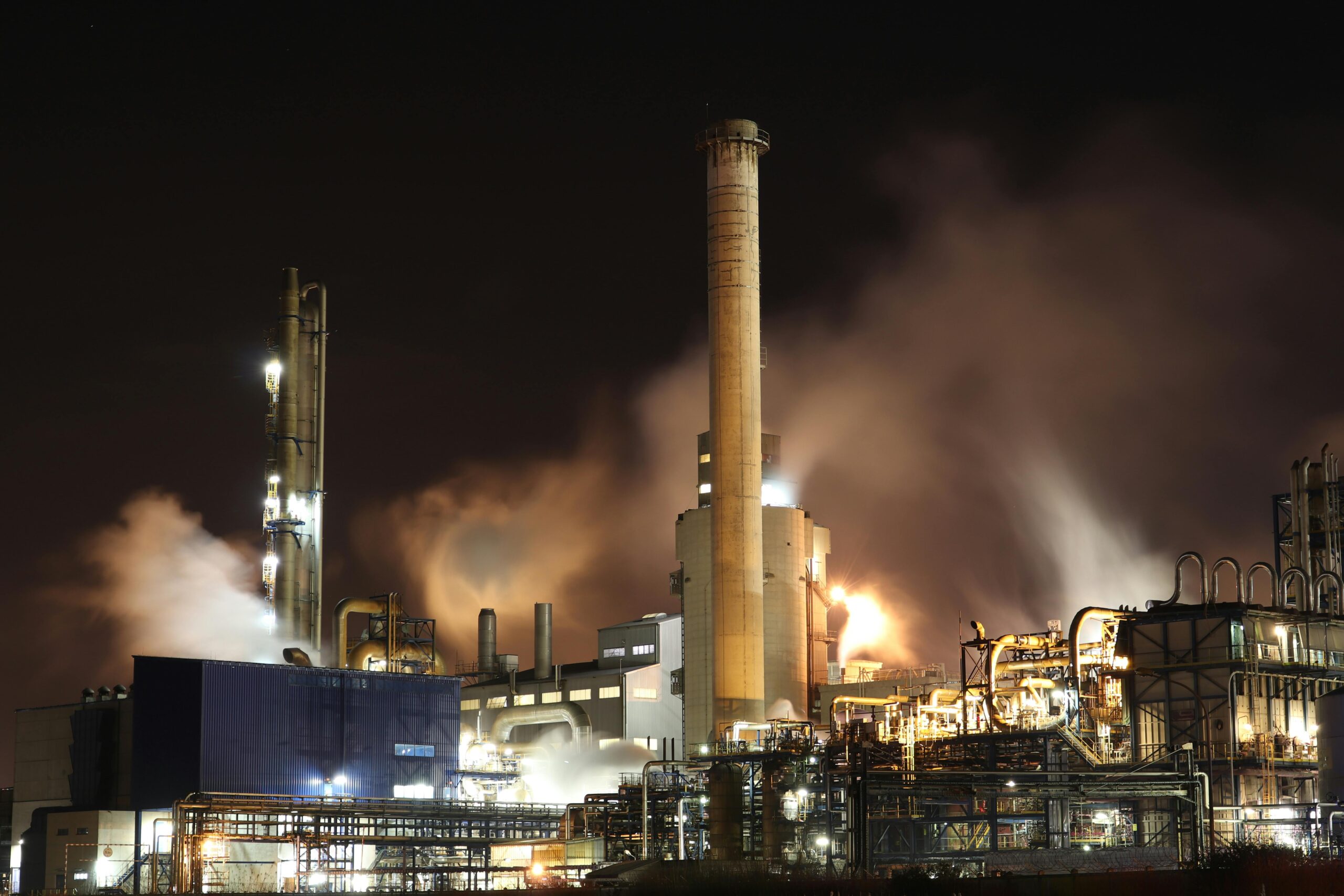
Abu Dhabi National Oil Co (Adnoc) has temporarily stopped production at its massive Ruwais refinery complex following a drone strike that caused a fire in the industrial area.
The facility, which processes 922,000 barrels of oil per day, stands as one of the world’s largest refining operations.
The attack forced the UAE’s state-owned energy giant to shut down the plant as a safety measure while damage assessments continue. This disruption hits the nation’s most high-profile refining asset just as regional energy infrastructure faces growing security threats.
A drone attack sparked a fire in the industrial zone surrounding the Ruwais refinery, prompting an immediate shutdown. The Abu Dhabi Media Office confirmed authorities were dealing with a blaze following the incident, though no casualties have been reported.
Adnoc is currently evaluating damage at the complex, according to sources familiar with the matter who requested anonymity as the information isn’t public yet.
Abu Dhabi National Oil Co (Adnoc) runs the Ruwais facility, which serves as the UAE’s only major refinery. The state-owned company has been developing this location into a strategic hub for its growing fuels trading, chemicals, and natural gas businesses.
The industrial city sits along the Arabian Gulf about 250km from Abu Dhabi city, housing multiple energy operations including a new LNG export terminal under construction.
READ ALSO: UAE’s University of Sharjah Builds Earthquake Protection Device Using Steel Balls
This incident follows similar strikes across the Middle East in recent weeks. Saudi Arabia shut its largest refinery last week, while Qatar temporarily closed the world’s biggest liquefied natural gas export facility after drone attacks.
The disruptions reflect escalating tensions affecting energy infrastructure throughout the region, with production cuts now spreading across multiple countries.
The Ruwais complex processes crude oil into gasoline, diesel, and jet fuel for both domestic use and international markets. Most of its refined products head to export customers, though some supply meets local demand within the UAE.
The facility forms part of a vast industrial area that also includes chemical maker Borouge Plc and fertilizer producer Fertiglobe PJSC, both Adnoc subsidiaries.
WATCH ALSO: 6-ton tiltrotor aircraft completes first flight in China
Saudi Arabia, Iraq, the UAE, and Kuwait have together reduced crude output by as much as 6.7 million barrels daily, according to people familiar with the matter. A prolonged shutdown at Ruwais could force the UAE to accelerate crude production cuts.
Adnoc and Saudi Aramco have been rerouting exports through alternative paths to bypass the Strait of Hormuz, where maritime traffic remains nearly halted.
The refinery shutdown adds pressure to already strained regional energy supplies. While the UAE operates smaller conversion units in Dubai, Sharjah, and Fujairah, these facilities mainly process heavy crudes or fuel oil and cannot replace Ruwais’ capacity.
Authorities haven’t announced when full operations might resume, leaving uncertainty around supply chains dependent on this facility.
READ ALSO: Introducing Hardox HiAce – The Steel Built for Corrosion, Wear, High Heat
The attack highlights growing vulnerabilities in critical energy infrastructure across the Middle East. Adnoc has positioned Ruwais as central to its strategy of expanding into global chemicals and natural gas markets, making security concerns a direct threat to these ambitions.
Repeated disruptions may force energy companies to rethink facility protection and supply chain resilience, potentially reshaping how the region manages its most valuable industrial assets.