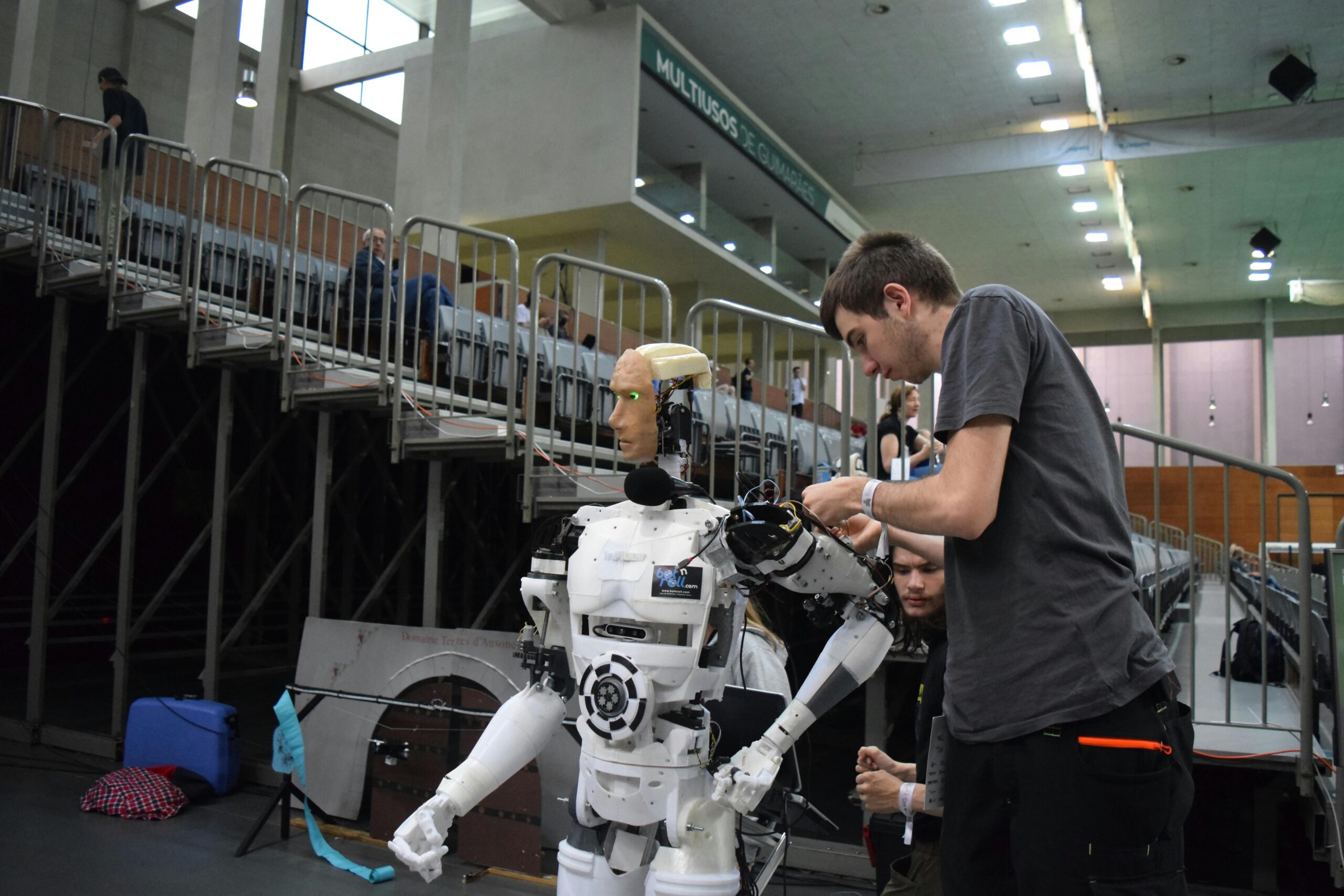
Benjie Holson, a roboticist, created the “Humanoid Olympic Games” last September thinking home robots were 15 years away. Within months, robotics company Physical Intelligence completed nearly all the challenges, folding laundry and spreading peanut butter with camera-based systems.
Holson designed a set of 15 tasks ranging from opening round doorknobs to buttoning dress shirts. He demonstrated each challenge himself wearing a silver bodysuit. Physical Intelligence completed 11 of them in just three months.
Benjie Holson, a roboticist, built the test to measure real progress in humanoid robots. Physical Intelligence, a robotics company, became the first to beat most challenges using vision-only systems.
READ ALSO: https://modernmechanics24.com/post/iris-dena-destroyed-by-us-submarine/
Most robot competitions focus on flashy moves like dancing or sports. Holson argued people actually need robots that do laundry, cook meals, and handle everyday chores. These boring tasks are the real test of usefulness.
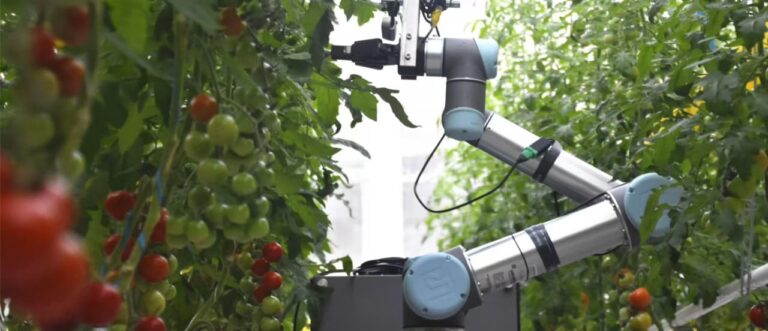
Physical Intelligence robots use only cameras—no touch sensors or force feedback. They learn by watching thousands of video demonstrations. The system figures out how much pressure to apply when spreading peanut butter or turning a key simply from visual data.
The robots can now wash windows, use dog poop bags, and hang shirts. These skills bring home robots closer to reality. A machine that handles daily chores could save time for millions of people.
Holson admits he wildly underestimated vision-only systems. He thought tasks needing force sensing would require touch inputs. Physical Intelligence proved otherwise. Holson has since released a new, harder set of challenges.
WATCH ALSO: https://modernmechanics24.com/post/idaho-lab-receives-nuclear-reactor-fuel/
If robots improve this fast, useful home helpers may arrive sooner than experts predicted. Camera-based learning could be the key. As Holson put it: throw more video demonstrations at it, and it works.