Iran has launched one of its largest missile and drone barrages against Gulf countries.
The attacks came after joint US-Israel strikes on Iranian targets. Tehran fired hundreds of weapons across the region within 36 hours.
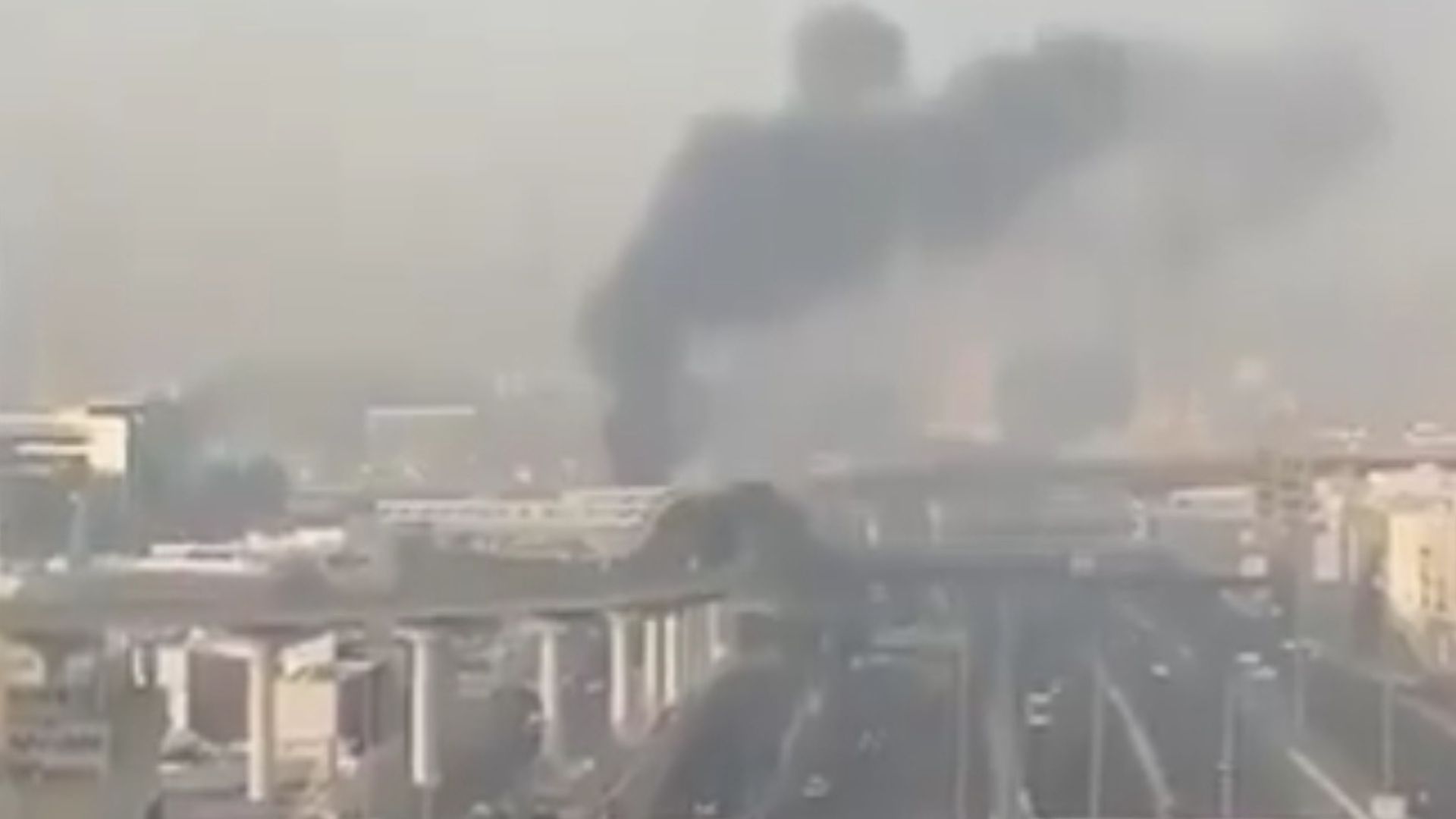
The United Arab Emirates, Saudi Arabia, Qatar, Kuwait, Bahrain, Jordan, and Iraq were targeted. Despite Iran claiming it aimed at US military bases, several strikes hit airports and civilian infrastructure.
For the first time, all Gulf Cooperation Council (GCC) states faced attacks from Iran within a single day. The incident shocked both the Gulf political elite and public.
Ballistic Missiles Lead Barrage
The main weapons used were ballistic missiles. These missiles travel high into the atmosphere before descending at high speed toward their targets. They are difficult to intercept because of their speed and trajectory.
The UAE Ministry of Defense said it had dealt with 165 ballistic missiles since the start of the attack. Kuwait reported intercepting 97 ballistic missiles. Jordan said it shot down 13 ballistic missiles. Qatar intercepted 18 missiles and drones combined.
READ ALSO: https://modernmechanics24.com/post/worlds-largest-coral-colony-field-size/
Ballistic missiles were reportedly aimed at US military bases, including the headquarters of the US Navy’s 5th Fleet in Bahrain. However, some missiles also struck civilian areas, including airport zones.
In Abu Dhabi, white contrails were visible in the sky as air defense systems engaged incoming threats. Residents saw streaks crossing the sky as missiles were intercepted mid-air.
Cruise Missiles Also Launched
In addition to ballistic missiles, Iran launched cruise missiles. Cruise missiles fly at lower altitudes and can maneuver during flight. They are more difficult to detect than ballistic missiles.
The UAE confirmed intercepting two cruise missiles. Qatar also reported intercepting cruise missile threats along with ballistic missiles and drones.
WATCH: https://modernmechanics24.com/post/wing-expands-walmart-drone-delivery-2/
Although cruise missile numbers appear smaller than those of ballistic missiles, they add complexity to air defense operations. They require different radar tracking and interception methods.
Hundreds of Drones Deployed
The largest number of weapons launched were drones. These included long-range attack drones and so-called kamikaze drones.
The UAE said it intercepted 541 Iranian drones. However, it admitted that 35 drones fell inside the country, causing material damage. Kuwait reported intercepting 283 drones. Bahrain shot down nine drones, including the well-known Shahed-136 loitering munition.
READ ALSO: https://modernmechanics24.com/post/swarming-microrobots-spin-shape-world/
The Shahed-136 is a one-way attack drone. It is relatively cheap compared to missiles. It carries explosives and crashes into its target. Such drones have been widely used in recent conflicts because of their range and lower cost.
Reports indicate that drones were more successful at penetrating air defenses than ballistic missiles. Their lower altitude and slower speed can make detection challenging, especially when launched in large numbers.
Mixed Results for Gulf Air Defenses
Gulf countries activated both fighter jets and ground-based air defense systems. Qatar said it used jets and ground systems to intercept incoming threats. Bahrain, which hosts the US 5th Fleet, also engaged missiles and drones over its territory.
In Iraq, the US-led coalition confirmed it shot down several missiles and kamikaze drones.
Saudi Arabia did not release detailed figures but confirmed that it came under fire. The government condemned the attacks and pledged to protect its territory.
Despite high interception rates, gaps appeared in regional air defenses. Civilian infrastructure, including airport terminals, high-rise buildings, and commercial centers, suffered sporadic damage.
These cities were built as global hubs for tourism, trade, and finance. They were not designed with the expectation of facing sustained missile and drone attacks.
A Region on Edge
This is not the first time Iran has targeted Gulf states. In 2019, Iranian-backed forces attacked Saudi Aramco facilities at Abqaiq and Khurais with drones. Last year, Iran launched ballistic missiles toward Al Udeid Air Base in Qatar after US strikes on Iranian nuclear facilities.
However, the scale of the current barrage is unprecedented.
Earlier, US Central Command opened a new air and missile defense coordination cell at Al Udeid Air Base in Qatar. The move aimed to strengthen regional defense cooperation.
WATCH: https://modernmechanics24.com/post/top-research-robot-new-ai-platform/
Now, Gulf states face the reality of large-scale missile warfare across their skies.
The combination of ballistic missiles, cruise missiles and hundreds of drones shows how modern conflicts are evolving. Missile salvos overwhelm defenses. Drones add pressure and exploit weak points.
For Gulf countries, the recent attacks mark a turning point. Air defense systems were tested like never before. The coming weeks will likely see tighter coordination and stronger missile shields across the region.
Whether the escalation will continue or whether diplomacy can prevent the next wave of missiles from lighting up Gulf skies, time will decide.