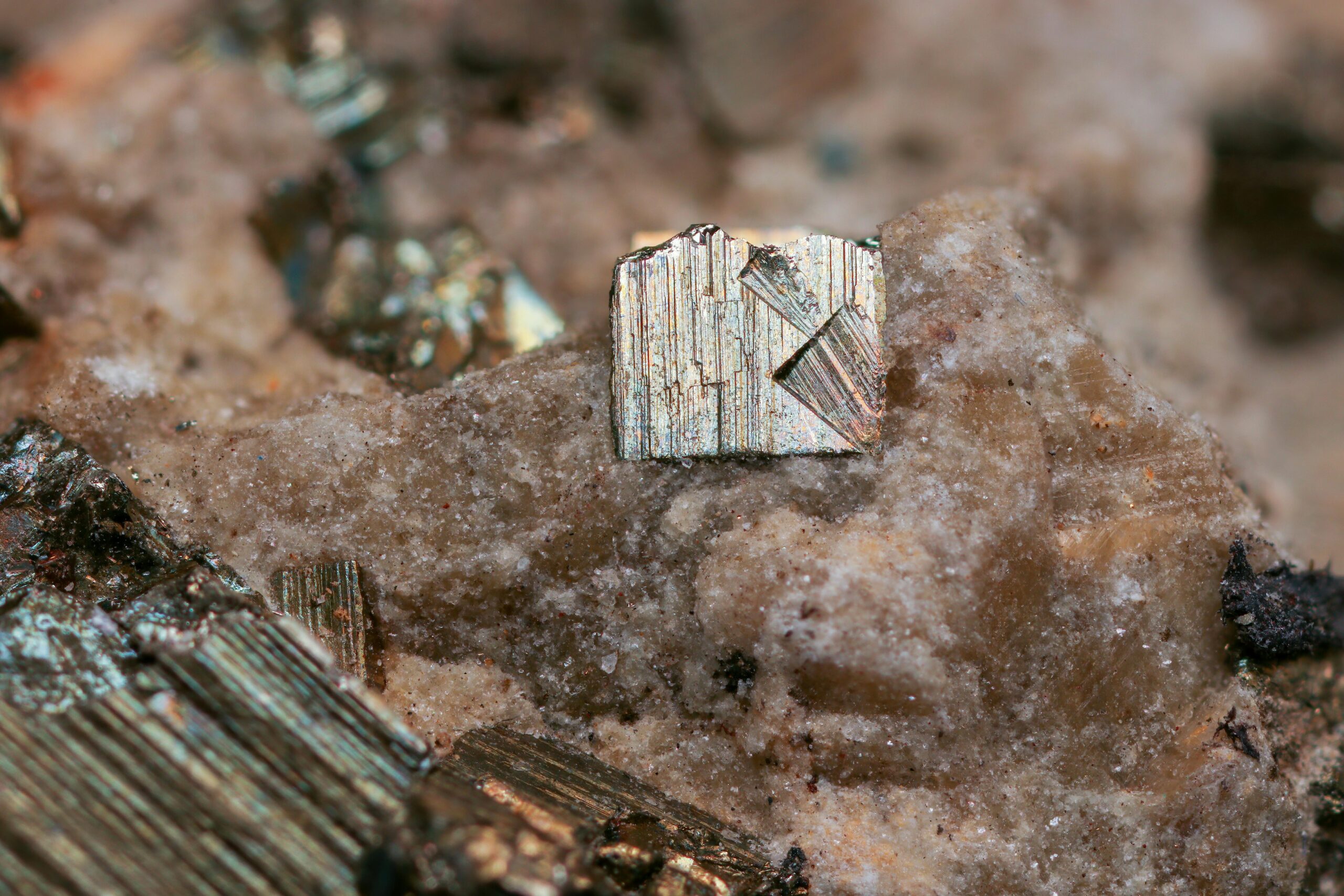
Engineers and chemists at The University of Texas at Austin have launched a startup, Supra Elemental Recovery Inc., with a novel filtration system that can pluck high-purity critical minerals from industrial waste. Backed by a $250,000 seed investment, the technology promises a more affordable and scalable domestic source for elements vital to semiconductors, batteries, and defense, directly tackling U.S. supply chain vulnerabilities.
The modern world runs on a handful of obscure elements with colossal importance. From the cobalt in your smartphone battery to the gallium in advanced semiconductors, these critical minerals are the unsung heroes of technology. But here’s the catch: the United States is almost entirely dependent on foreign sources for them, creating a strategic and economic weak spot. What if the solution wasn’t digging new mines, but looking in our own trash? That’s the powerful idea behind a new startup from The University of Texas at Austin.
Supra Elemental Recovery Inc., or Supra for short, isn’t just proposing another recycling method. About the product is simple: it solves the critical problem of securing America’s supply of essential minerals by turning waste into a strategic resource. The company, which just received a $250,000 investment from the UT Discovery to Impact Seed Fund, has developed a proprietary platform to extract remarkably pure minerals from what we already throw away—mine tailings, industrial byproducts, and the ever-growing mountain of electronic waste.
READ ALSO: https://modernmechanics24.com/post/nvidia-alpamayo-ai-for-self-driving-car/
So, how does it work? The basic function is elegantly practical. Instead of relying on massive, expensive machinery and toxic chemicals, Supra uses a reusable, 3D-printed porous cartridge. Think of it as a high-tech molecular sponge. As reported by UT News, this cartridge uses advanced fluid dynamics and simple solvents like alcohol and water to filter and separate target minerals at the molecular level. It combines the best features of two conventional methods into one customizable unit that can be scaled to fit the needs of a U.S. factory or mine.
The brains behind this innovation form a classic UT powerhouse trio. The innovator and engineer team includes Zachariah Page, an award-winning chemist, Michael Cullinan, a leader in nanomanufacturing, and Jonathan Sessler, a pioneer in supramolecular chemistry. Their combined expertise in chemistry, materials science, and engineering was the catalyst for this cross-disciplinary breakthrough. “Their work exemplifies the innovation taking place at UT when you have the brightest minds across disciplines collaboratively working together to solve real-world problems,” said Mark Arnold, associate vice president for Discovery to Impact.
WATCH ALSO: https://modernmechanics24.com/post/byd-seal-smooth-electric-power/
This approach tackles the major shortcomings of current extraction methods, which struggle with purity, are costly, and often create harmful environmental byproducts. Supra’s platform aims for high purity and selectivity, meaning it can effectively separate, say, scandium from cobalt, which is a notoriously tricky task. The summary of its value is profound: it offers a path to industrial resilience. By profitably recovering these elements domestically, Supra could reduce foreign reliance and turn waste streams into strategic assets, strengthening national and economic security.
Of course, no transformative technology launches without hurdles. A key limitation for Supra, as with any early-stage startup, is scaling from a brilliant lab prototype to widespread industrial deployment. Proving the system’s cost-effectiveness and durability at the volume needed to make a dent in the national supply chain is the next critical challenge the team must engineer through.
READ ALSO: https://modernmechanics24.com/post/sea-star-show-robot-inspiration-brains/
The ambition is clear. “We’re ushering in a new era where we can profitably recover these elements from a wide range of domestic sources to restore America’s resource dominance,” said Katie Ullmann Durham, co-founder and CEO of Supra. This isn’t just about recycling; it’s about reimagining the entire material foundation of advanced manufacturing. Supra represents a shift from a linear, extractive economy to a circular, resilient one.
As Supra moves forward, it joins over 100 startups spun out from UT with support from Discovery to Impact, the university’s commercialization engine. The success of this rare earth minerals recovery technology could be a major step toward a future where the ingredients for our technological age are sourced not from geopolitically tense regions, but from the ingenuity of American scientists and the waste we already have.