Stanford University researchers have discovered that magnitude 5 or greater earthquakes on the Southern Ocean floor can trigger vastly larger blooms of phytoplankton—sometimes swelling to the size of California—by shaking loose essential nutrients from hydrothermal vents. This hidden geological driver, detailed in a new study, challenges decades of assumptions about what fuels life in Antarctica’s seas and its role in carbon cycling.
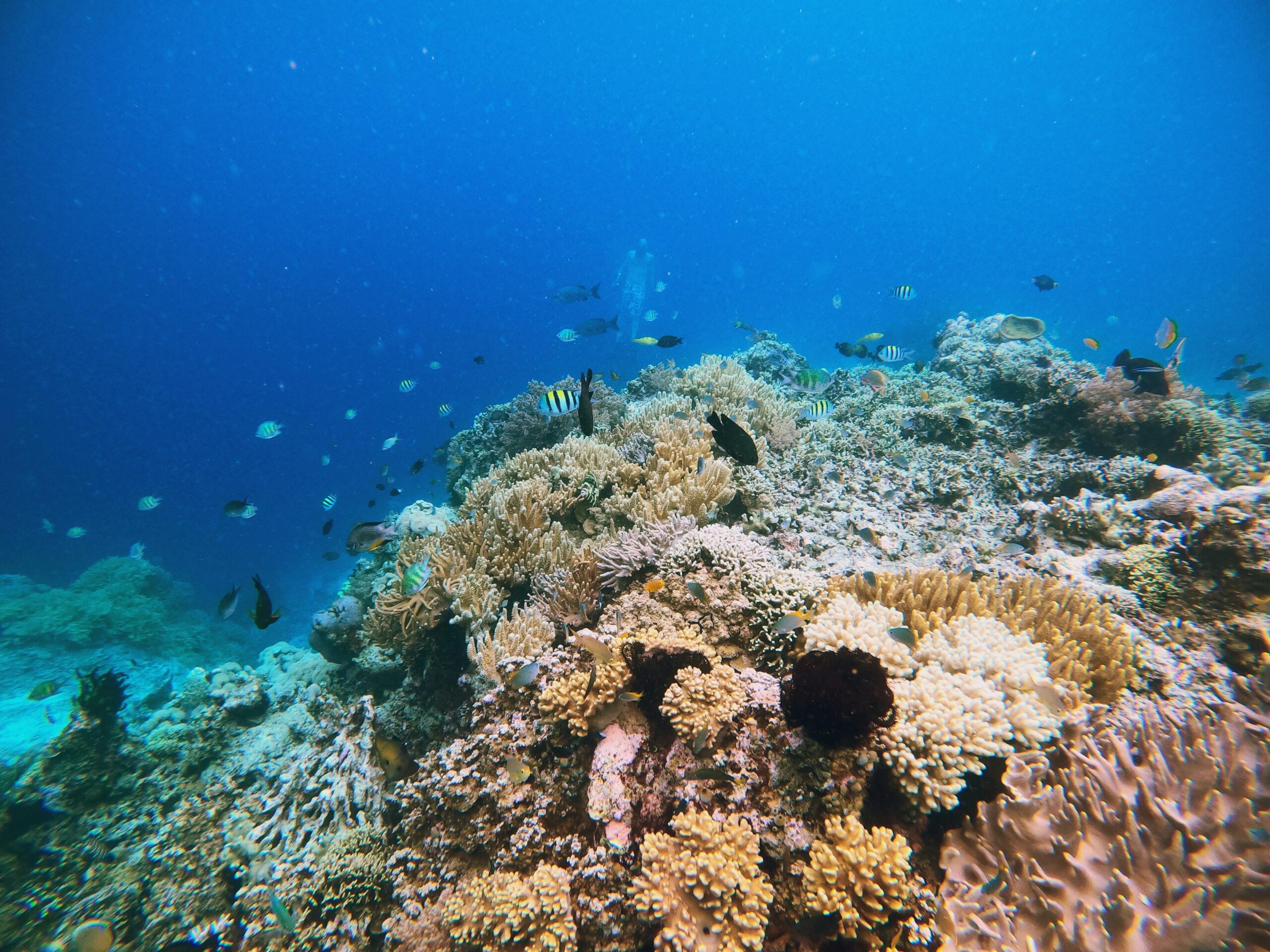
Beneath the frigid, windswept surface of the Southern Ocean, a hidden force is at work. Each year, vast, swirling blooms of microscopic phytoplankton spread across the waters around Antarctica, forming the foundation of the marine food web and pulling carbon dioxide from the atmosphere. Scientists have long credited sunlight, wind, and currents for these pulses of life. But what if the planet itself, shuddering deep below, is also flipping the “on” switch? New research from Stanford University points to a surprising puppet master: earthquakes.
The study, led by former PhD student Casey Schine and senior author Professor Kevin Arrigo, made the connection by marrying two seemingly unrelated datasets: decades of seismic records and satellite observations of ocean color, which indicates phytoplankton density. The pattern was striking. In the months leading up to the Southern Hemisphere’s peak growing season, seismic activity on the seafloor reliably preceded explosions of biological productivity on the surface. “Our study ultimately showed that the main factor controlling the size of this annual phytoplankton bloom was the amount of seismic activity in the preceding few months,” said Casey Schine. The blooms varied wildly year-to-year, from the sprawling scale of California down to the size of Delaware, with earthquake activity being the dominant predictor.
READ ALSO: https://modernmechanics24.com/post/rolls-royce-smr-skanska-uk-aseismic-demo/
But how does a tremor miles below reach the sunlit surface? The answer lies in the ocean’s natural plumbing: hydrothermal vents. As reported in the team’s study, these seafloor systems superheat seawater, leaching out minerals like iron—a critical, often scarce nutrient for phytoplankton in the Southern Ocean. Normally, this iron-rich fluid remains trapped in the deep. An earthquake, however, acts like a giant stir stick. It ruptures the crust, briefly intensifying vent activity and, crucially, mixing the released nutrients upward through the water column.
This mechanism upends a longstanding belief. The research team calculated that for the iron to affect a bloom within months, it must travel upward nearly 6,000 feet (1,830 meters)—a journey previously thought to take decades. “This is the first ever study to document a direct relationship between earthquake activity at the bottom of the ocean and phytoplankton growth at the surface,” stated Professor Kevin Arrigo. This fast-track delivery system can suddenly relieve the iron limitation that typically constrains Antarctic plankton, unleashing a feeding frenzy that ripples up the food chain to zooplankton, fish, and whales.
WATCH ALSO: https://modernmechanics24.com/post/china-launches-80000-ton-fujian-aircraft-carrier/
The implications extend beyond ecology into global climate. Phytoplankton are the workhorses of the biological carbon pump. As they bloom, they photosynthesize, drawing down atmospheric CO2. When they die, they sink, sequestering that carbon in the deep ocean. This means sporadic seismic events could be episodic, unaccounted-for drivers of carbon removal. “There are many other places across the world where hydrothermal vents spew trace metals into the ocean and that could support enhanced phytoplankton growth and carbon uptake,” Arrigo noted, highlighting a potential global phenomenon.
While earthquakes are unpredictable and episodic, their inclusion adds a crucial layer of nuance to ocean models. For a region critical to Earth’s climate and biology, the study reveals that our understanding of its fertility is not just written by the wind and sun, but also by the occasional rumble from the planet’s restless depths.
READ ALSO: https://modernmechanics24.com/post/wobbling-exoplanet-hints-giant-exomoon/