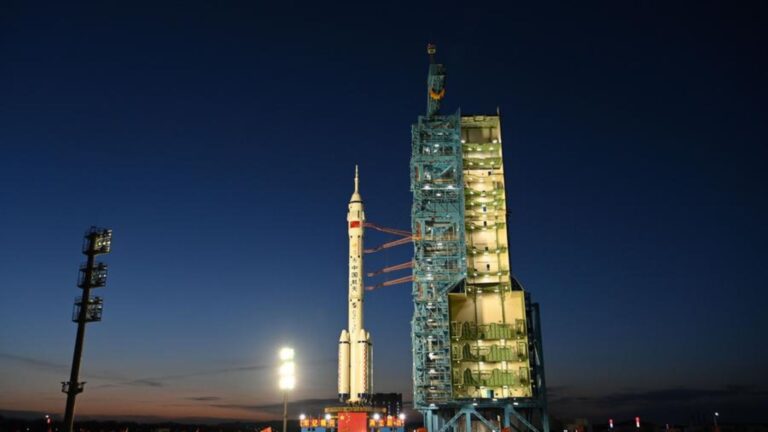
Why China’s Shenlong Mission Is Sparking Space Security Concerns
China’s mysterious reusable space plane has returned to orbit, igniting fresh debate over its purpose and long-term ambitions in space.
China’s mysterious reusable space plane has returned to orbit, igniting fresh debate over its purpose and long-term ambitions in space.
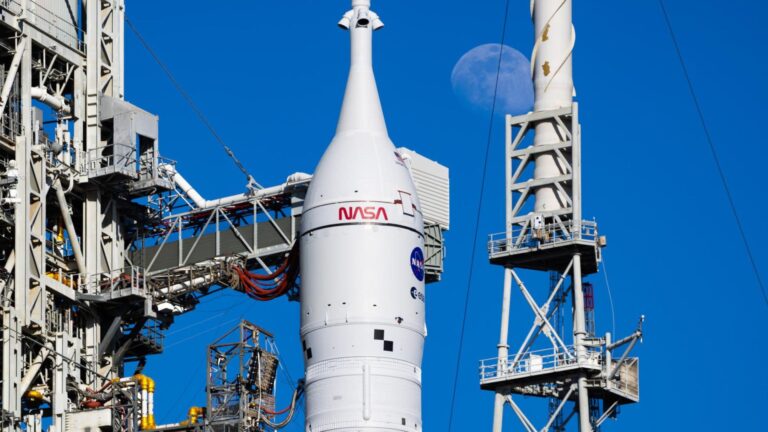
NASA has officially ruled out its March 6 launch window for the much-anticipated Artemis II mission. This decision followed engineers’
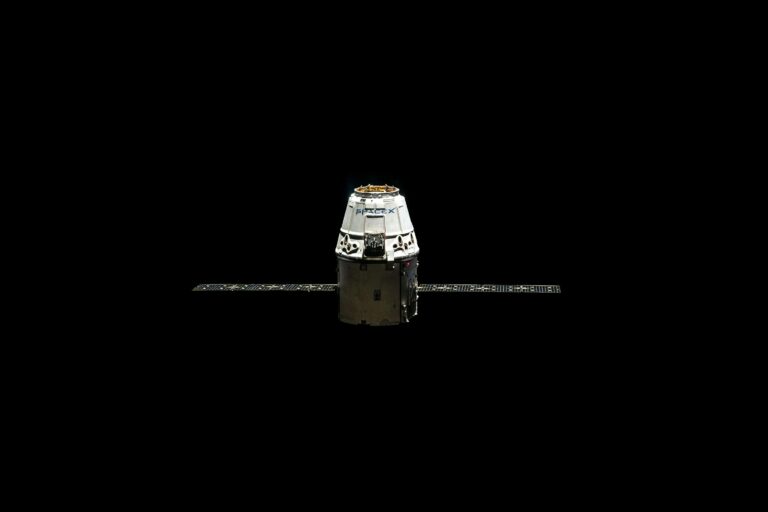
Boeing’s Starliner spacecraft approaches the International Space Station in June 2024 during a mission that NASA now classifies as its most serious “Type A mishap” due to thruster failures and leadership failures.
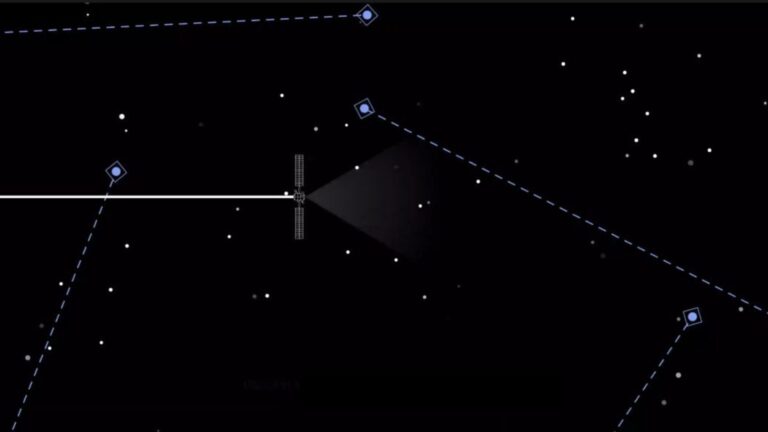
SpaceX unveiled the Space Situational Awareness (SSA) system which leverages its vast Starlink satellite constellation to deliver near-real-time orbital tracking
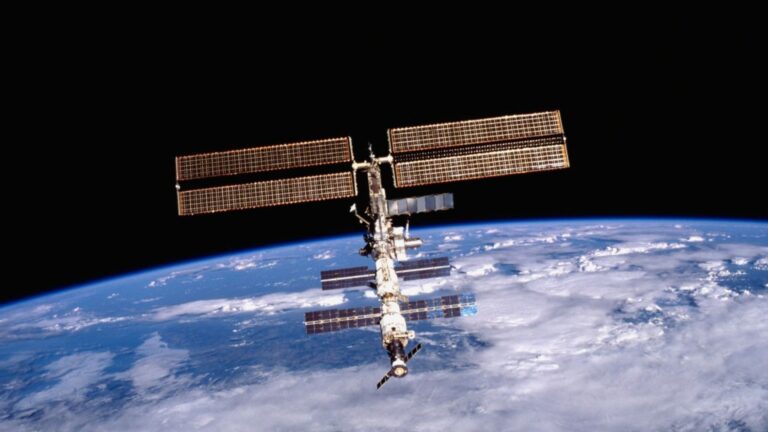
The US Department of Defense is turning to the commercial space sector for a new generation of surveillance spacecraft capable
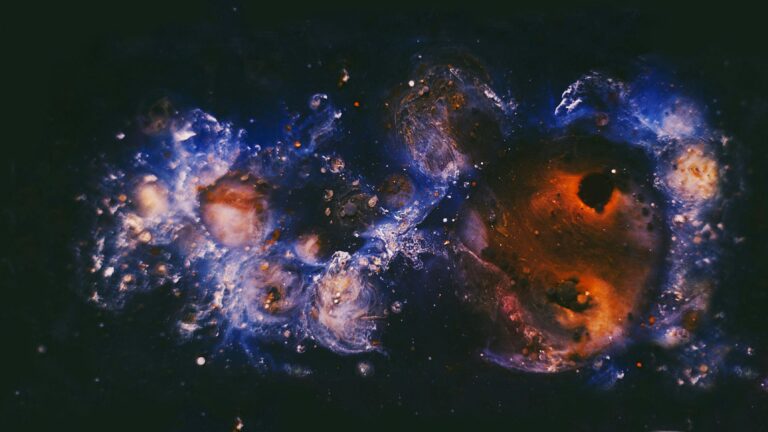
German researchers at TUM, LMU, and Max Planck Institutes have captured a rare supernova that appears five times in the sky due to gravitational lensing. The discovery, nicknamed SN Winny, offers a new way to measure the universe’s expansion rate and could help resolve the long-standing Hubble tension between different measurement methods.
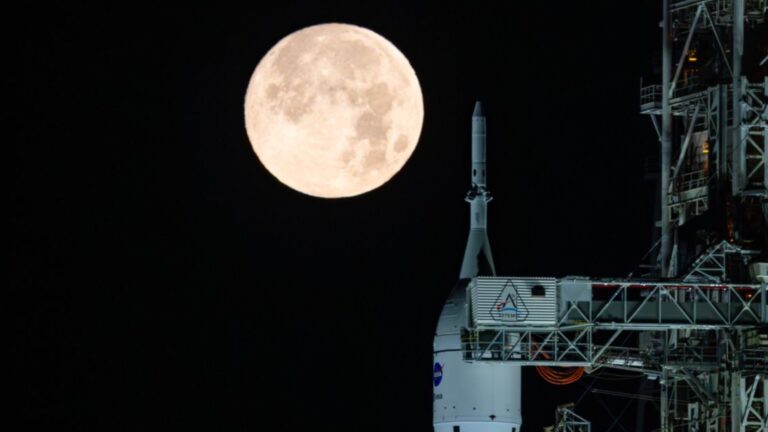
NASA is preparing for a critical milestone in its return-to-the-Moon campaign, targeting February 19 as the next tanking day for
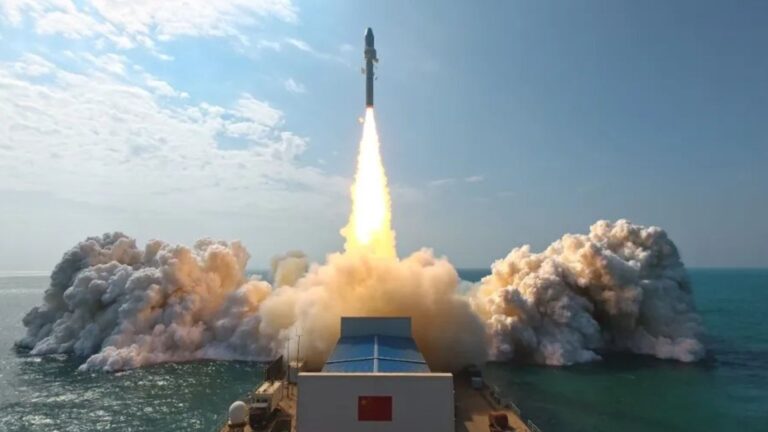
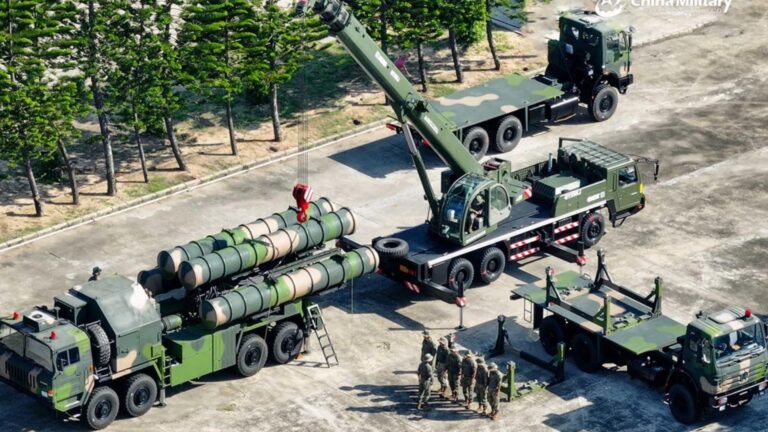
Chinese military-linked researchers have called for deeper integration between the country’s commercial space technology and its defence systems. The scholars
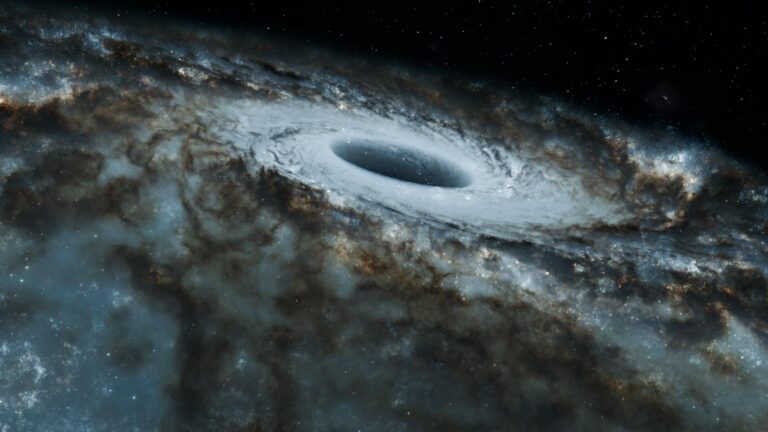
University of Florida scientists have solved the mystery of Antarctica’s “gravity hole”—a region where gravity is weaker than anywhere else on Earth. Using earthquake waves and computer models, they traced its formation back 70 million years. The research shows a connection between deep underground rock movements and the growth of Antarctica’s massive ice sheets.
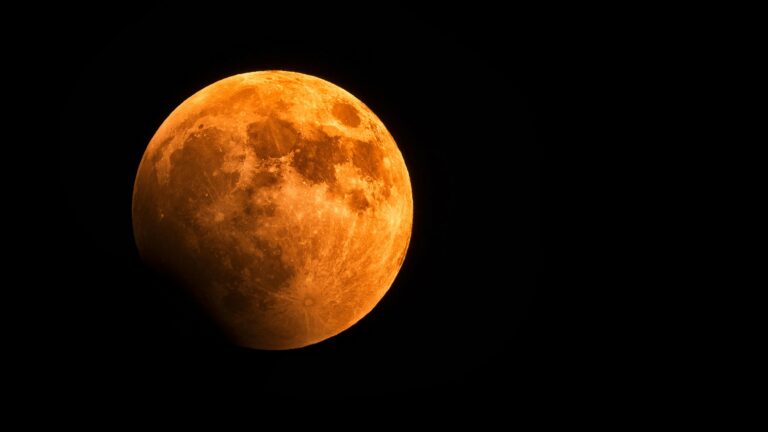
Scientists at the SETI Institute have a new idea about Saturn’s giant moon Titan. It might have formed when two smaller moons crashed together and merged. The violent collision would explain Titan’s few craters, its strange orbit, and even the age of Saturn’s famous rings. NASA’s Dragonfly mission heading to Titan in 2034 could prove this theory right.